Troubleshooting & Analysis
I figured a $20 four-pack had to be cardboard with a screen stapled to it
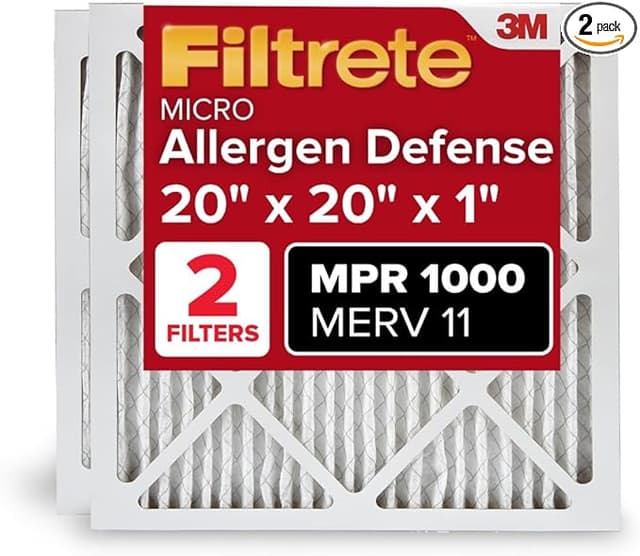
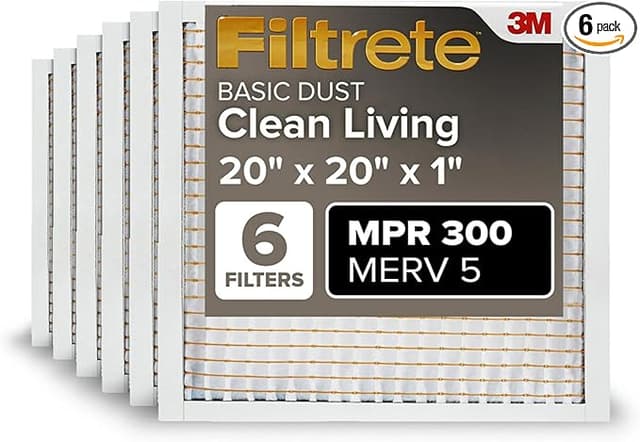
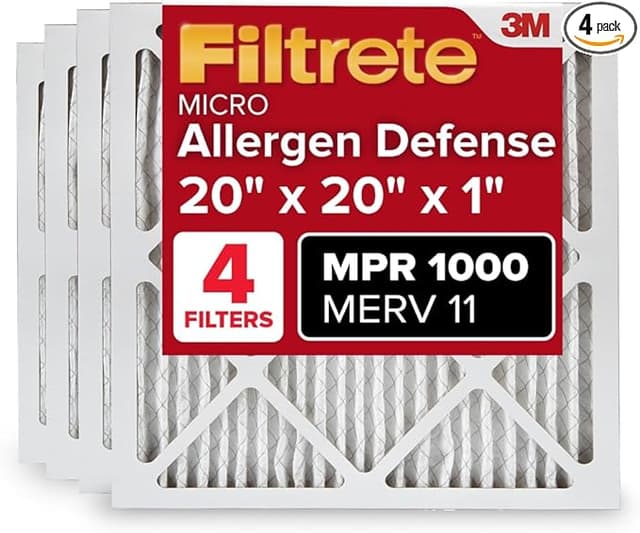
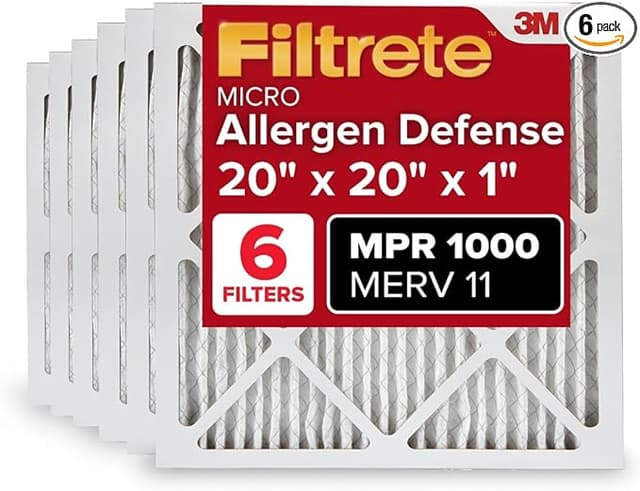
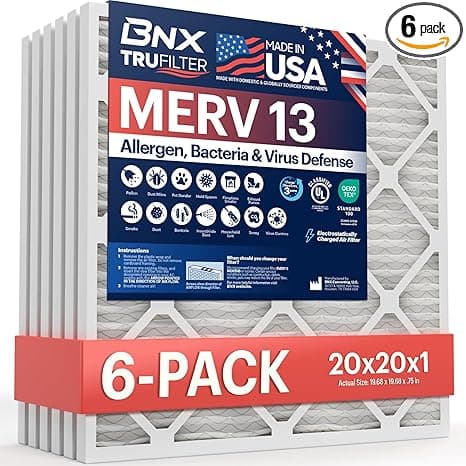
Here's where my head was at. I'd been buying single-pack Filtrete 20x20x1 filters at the hardware store for years — eight, nine bucks a pop, sometimes more when they were the higher MERV ones — and I just accepted it as one of those quiet little taxes of owning a house. Then a neighbor mentioned he was paying about that same total for a whole multipack. Same size, MERV-rated, four of them in the box. And my first thought wasn't "great deal." It was "what's the catch." A filter that cheap, in bulk, sold by a name I half-recognized? I assumed it'd be thin, flimsy, basically a furnace-shaped placebo.
So I bought a pack to call the bluff. I've now run them in a 2,000-square-foot single-stage gas furnace for the better part of a year. Here's the honest report.
The math is the whole reason you're here
Let's do it plainly. A premium single 20x20x1 in the better MERV range runs you somewhere around $15-22 each at retail, and the manufacturer wants you swapping every 90 days — call it four a year. That's $60-85 annually if you're disciplined, and most people aren't, which I'll get to. The multipack I've been running came out to roughly $5-7 a filter. Same year of coverage for the price of one or two premium singles.
That's not a rounding-error saving. That's the difference between actually changing your filter on schedule and stretching a gray, choked one to six months because you don't want to spend the money. And a stretched filter is the expensive mistake — more on that below.
Does it actually seat in the slot?
This was my real worry. A furnace filter that's a hair off-size is worse than useless — air just sneaks around the gap and you're filtering nothing. I pulled the old one, slid the new one in with the airflow arrows pointing toward the blower motor (don't skip checking that arrow — I've watched people put them in backwards and wonder why the airflow feels weak), and it dropped into the slot clean. No shoving, no bending the frame to make it go.
If I'm nitpicking — and I am, because that's the job — the cardboard frame is a touch softer than the stiff premium ones. When you handle it you can feel it's not as rigid. But once it's in the channel with the cover back on, that doesn't matter at all. It's held in place by the slot, not by its own stiffness. Zero air bypass that I could feel around the edges, and I checked with my hand running the blower.
The two-minute swap, for anyone new to this
- Kill the system at the thermostat first. You don't want the blower yanking the old filter — or your fingers — while you're working.
- Slide the old filter out. Look at how dirty it is. That's your real replacement-interval data, not the calendar.
- Slide the new one in, arrows pointing toward the furnace/blower, not toward the room.
How it actually performs
The thing I can speak to with confidence: dust. I'm one of those people who runs a finger along the top of the picture frames. After a couple months on these, the surfaces in the house were no dustier than they were on the premium singles. The filter face itself loads up the way a working filter should — gray, then darker gray, visibly catching stuff. That's what you want to see. A filter that comes out clean after three months isn't being gentle, it's not doing its job.
Where's it a touch behind the top-tier premium ones? If you've got serious allergy needs and you were buying the highest MERV Filtrete specifically for fine pollen and smoke particles, the very cheapest multipacks sometimes sit a step lower on the MERV scale. Check the rating on the box against what you've been buying. For general household dust, pet hair, the normal stuff — it's a wash. For a hay-fever sufferer chasing the finest particles, match the MERV number and don't just chase the lowest price.
The genuine downsides
Two real ones. First, that softer frame — it's fine installed, but if you grab the filter by one corner it'll flex more than a premium one, and a careless yank could crease the pleats. Handle it flat. Second, and this is the one nobody warns you about: when you buy four at once, they live in a closet, and "out of sight" turns into "out of mind." The whole savings disappear if the pack sits there while a dirty filter strangles your system. I wrote the install date on the frame edge in marker. Sounds dumb, works.
Why the dirty-filter thing isn't fearmongering
This is the part I'd underline. A clogged HVAC filter doesn't just stop cleaning your air — it chokes the airflow your blower depends on. The motor works harder, your power bill creeps up, and in a real case the furnace can overheat and trip its safety limit, or worse, shorten the life of the blower itself. I've seen a service call that traced straight back to a filter nobody had changed in eight months. The cheap part of this whole equation is the filter. Letting it die is the costly part. Cheap filters changed on time beat premium filters changed never — every single time.
The verdict
Buy the premium single if you're chasing the absolute highest MERV for a household with real respiratory sensitivities and the price gap genuinely doesn't move you — there's nothing wrong with the name-brand ones, they're just paying for a stiffer frame and shelf placement.
For everyone else — which is most of us — I grab the multipack now, and I have, three boxes running. It seats right, it catches dust as well as the stuff I used to overpay for, and the price is low enough that I actually swap it on schedule instead of guilting myself into stretching a dead one. I called the bluff expecting cardboard. Turns out the only thing thin about it was my reason for not buying it sooner.