Troubleshooting & Analysis
The first thing I noticed was the snap
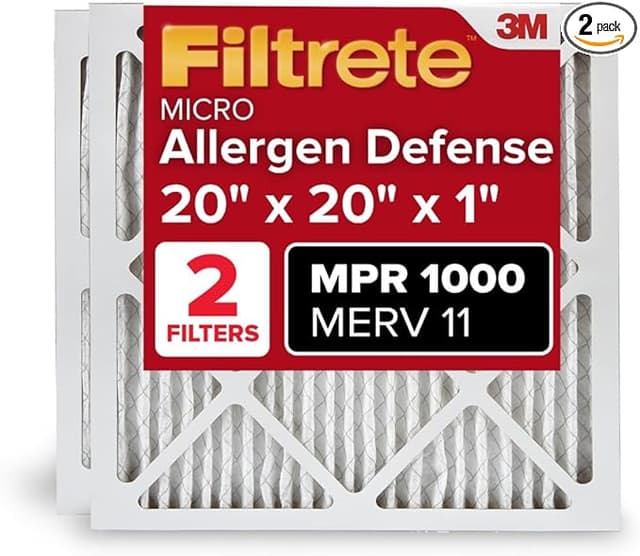
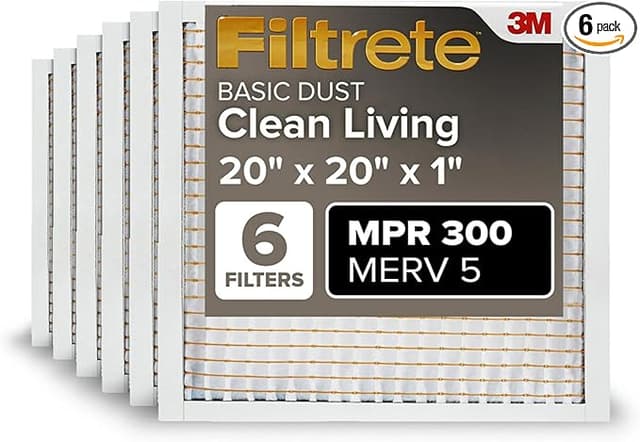
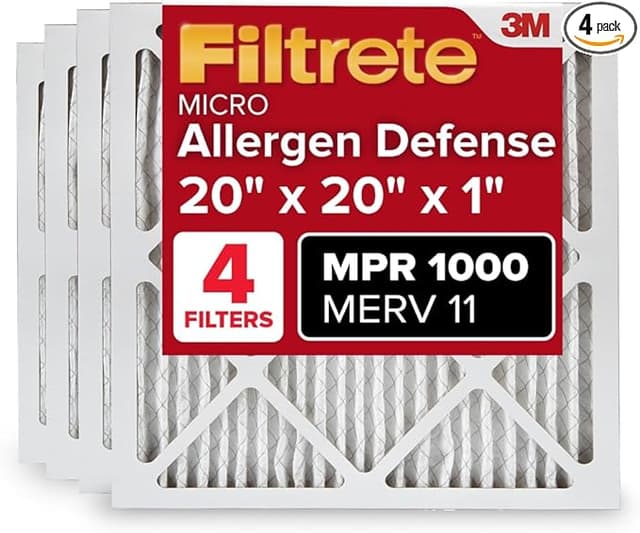
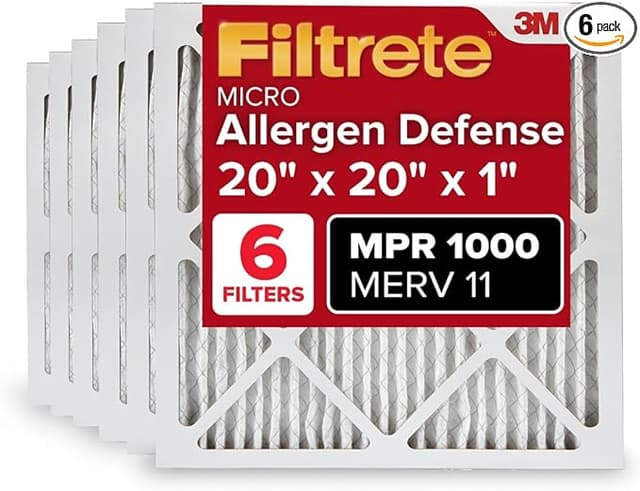
You know that flimsy give a cheap filter has when you press the cardboard frame? This one didn't do that. I slid a fresh 20x20x1 into the return grille in my hallway — the one that's been eating filters for six years — and it seated with this clean little snap against the retaining clips. No bowing. No gap I had to thumb shut. I stood there for a second, kind of surprised, because I'd ordered the multipack half-expecting to be annoyed.
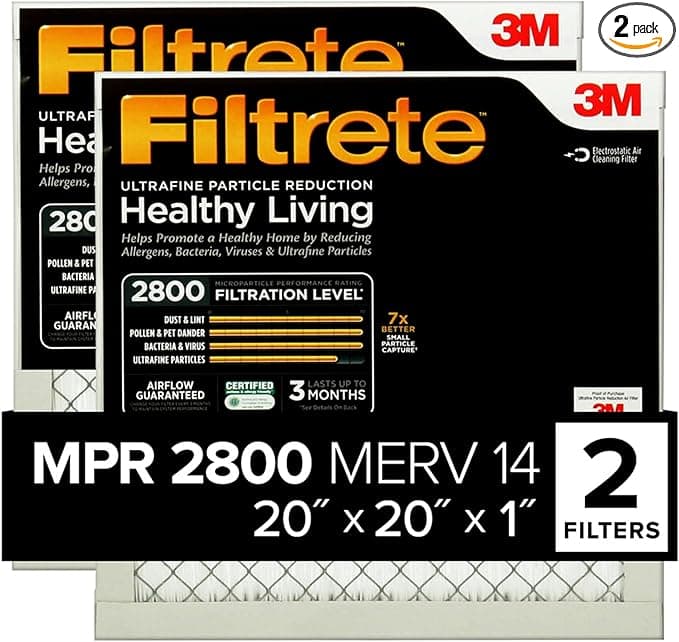
Let me back up. My furnace takes a 20x20x1, which is about the most common size there is, and for years I paid whatever the hardware store charged — usually $14, $16 a filter, sometimes more for the name-brand MERV stuff. Three filters a year, two systems in the house. That math adds up fast and quietly, the way HVAC costs always do. So when I saw the multipack land the per-filter price down around six or seven bucks, I figured I'd test it the only way that matters: live in it for a few months and watch what happens.
The price gap, and what it actually saves
Here's the honest version of the money. If you're buying single filters at the store, you're looking at maybe $15 a pop for a decent MERV rating. The multipack drops that to roughly half, sometimes less, depending on the count you grab. Say you change every three months like you're supposed to — that's four filters a year per system. On a single furnace, you're saving thirty-something dollars a year. Two systems, you're past sixty. Not life-changing. But it's the kind of recurring spend that you forget you're bleeding, and a multipack just kills it without you thinking about it again for a year.
And the rating's the same tier. I'm not stepping down to a fiberglass screen door of a filter to save money. This pulls the dust, the pet dander, the pollen that turns my spring into a sneezing fit. That mattered to me more than the dollars, honestly.
Fit and install — does it actually go in right?
This is where cheap filters usually betray you. The frame's a hair off, or the depth is wrong, or the whole thing flexes when you try to slot it. I had none of that here. Process was the boring kind, which is what you want:
- I killed the system at the thermostat first — you always want airflow stopped before you pull anything, otherwise you're yanking a dust bomb past a running blower.
- Slid the old filter out. (Mine was genuinely gray. More on that in a second.)
- Dropped the new one in with the airflow arrows pointing toward the furnace — toward the blower motor, away from the return. Get that backwards and the filter fights the airflow instead of helping it.
That arrow thing trips people up constantly, so check it. The arrow points the direction the air travels — into the equipment. Took me under a minute, and the fit was snug enough that it didn't rattle once the blower kicked back on. A loose filter buzzes. This one's been silent.
How it's held up
I've run these through about four months now, swapped one out around the three-month mark. Performance-wise? I genuinely can't tell you it's worse than the pricier branded one I used to buy. The house doesn't dust up faster. My allergy nose, which is a more sensitive instrument than any lab, hasn't flared. When I pulled the first one to check it, it had that even gray loading across the whole pleated surface — which is exactly what you want to see. It means the thing was working, catching stuff, doing its job right up until I replaced it.
Now the downsides, because there are a couple and I'd be lying to skip them.
The packaging is nothing. Thin plastic sleeve, filters stacked in a box, no individual wrapping. Two of mine had slightly crushed corners on the cardboard frame from shipping — purely cosmetic, they still seated fine, but if you're the type who winces at a dinged box, you'll wince. And there was a very faint cardboard-and-adhesive smell on the first one for maybe a day after install. Not chemical, not strong — gone before I'd have noticed if I weren't looking for it. The branded ones do this too, for what it's worth.
Why you can't just let this ride
The reason I'm even this careful about a twenty-dollar part: a clogged filter is not a small problem. When that pleated surface saturates, your blower has to drag air through a wall of trapped dust. That strain runs your energy bill up — the system runs longer to move the same air — and over time it can overheat the furnace and shorten its life. I've seen a neglected filter contribute to a blower motor dying early, and a blower motor is not a twenty-dollar fix. So the real value of a cheap multipack isn't just the savings. It's that having four filters sitting in the closet means you'll actually change them on schedule instead of stretching a gray one to six months because you didn't feel like driving to the store.
So who should buy what
If you've got specific air-quality needs — someone in the house with serious respiratory issues, or you want the absolute highest filtration tier with electrostatic everything — go ahead and buy the premium branded filter and don't think twice. That's a real reason to spend up.
For the rest of us with a standard 20x20x1 return and a normal house? I keep coming back to this multipack. It fit clean, it filters as well as I can measure, and it costs about half. The crushed-corner box and the one-day cardboard smell are the whole list of complaints, and neither one touched how it actually performs. I bought the next pack already. That's the most honest endorsement I've got — I voted with my own money, twice.