Troubleshooting & Analysis
I didn't believe a $20 filter could be fine either
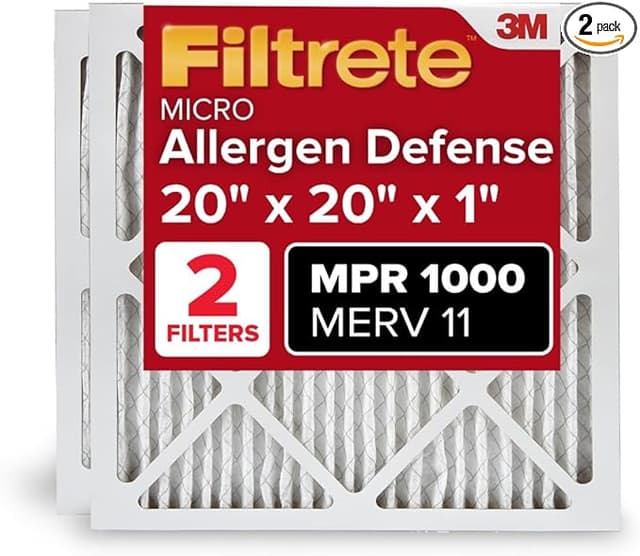
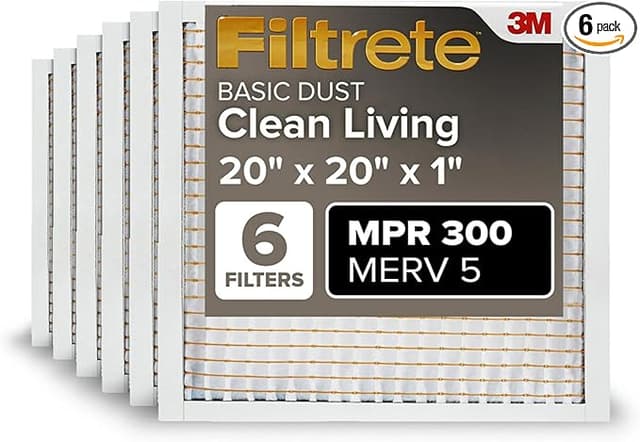
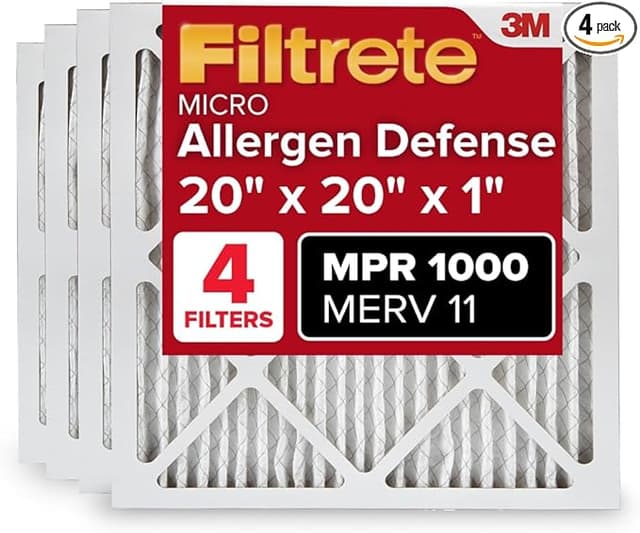
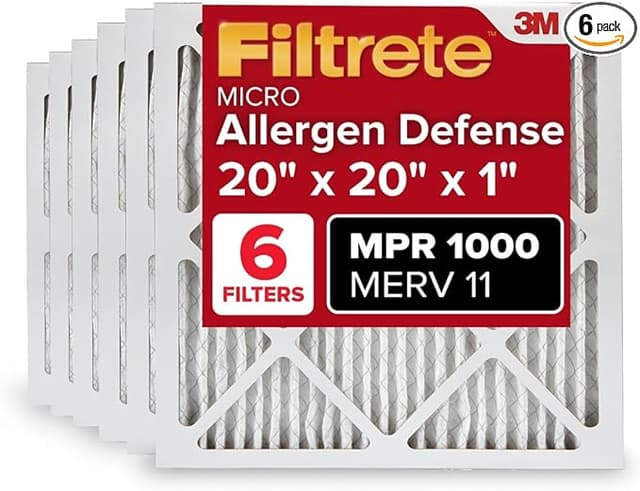
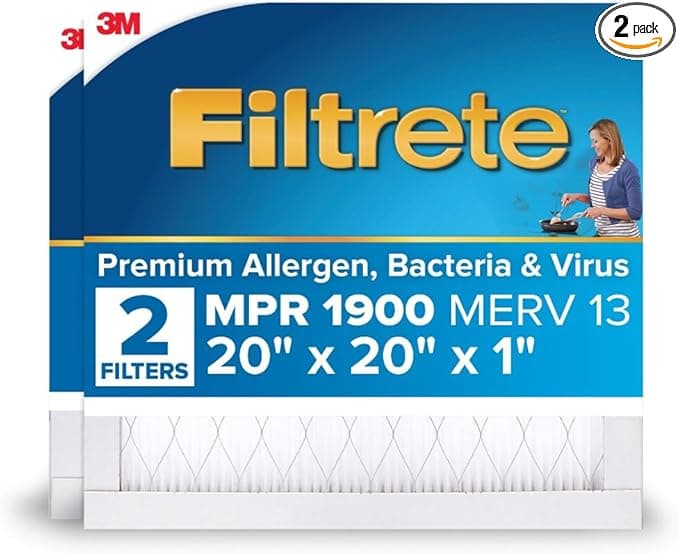
Here's the thing nobody tells you about the 20x20x1 slot: it's the most boring, most replaced filter size in the entire American house, and somehow it's where people get fleeced the worst. I bought a name-brand Filtrete for years. Walked into the home-improvement store, grabbed the one with the friendly packaging, paid whatever the shelf said — usually north of fifteen bucks a filter — and felt vaguely responsible about it. Then I did the math on a four-pack from one of the compatible brands and felt like an idiot.
So I did what any suspicious person does. I bought the cheap multipack assuming it was junk, fully planning to write it off and go back to the expensive stuff. That was almost a year ago. I'm still running them. Let me tell you exactly what I found, including the parts I didn't love, because I went in expecting to hate it.
The price gap is genuinely stupid
A single shelf-brand 20x20x1 at the big-box store runs you somewhere around $14 to $22 depending on the MERV rating and which week you catch it. The compatible multipacks land you closer to $5–$8 a filter when you buy them in a six- or twelve-count box. On paper that's a difference of a few dollars. But you don't replace this thing once.
The 20x20x1 is a one-inch filter, which means it loads up fast and you're swapping it every 60 to 90 days — call it four to six times a year if you've got pets or run the system hard in summer. Do that with the branded singles and you're spending $80–$100 a year on filters. Do it with the multipack and you're at maybe $30–$40. That's a real $50-plus a year, every year, for the same square frame doing the same job in the same slot. Once I saw it laid out annually, the "but it's the trusted brand" feeling got a lot quieter.
Does it actually fit? Yes, with one honest caveat
This is the part everyone's nervous about, and I was too. A 20x20x1 is a nominal size — the actual filter measures a hair under, usually around 19.75 inches, so it slides into the rack with a little wiggle. The compatible ones I've run slot in exactly the same as the branded filter did. Same install: kill the system at the thermostat, slide the old one out, drop the new one in with the airflow arrows pointing toward the furnace or air handler — toward the motor, away from the return grille. Thirty seconds, no tools.
The honest caveat: the cardboard frame on the cheaper filters is a touch flimsier than the premium branded stuff. Not falling-apart flimsy — it holds its shape fine in the rack — but if you grab it by one corner and it's a humid day, you can feel it flex more than the rigid branded frame. I've never had one bow or collapse in the slot. But if your filter housing is one of those vertical ones where the filter has to support itself a bit, just seat it squarely and don't manhandle the corner. That's the whole tax.
How it actually performs
I run a MERV-rated compatible filter — somewhere in the MERV 8 to 11 range depending on the box — and pulled the old one at the 75-day mark to compare it against what the branded filter used to look like at the same interval. Honestly? Same gray-brown mat of dust, pet hair, and pollen. The pleats held their shape, the media wasn't sagging, and the dust was caught in the filter and not blown past it onto my coils. My returns weren't whistling and the system wasn't short-cycling. For the dust-and-dander job that 95% of houses actually need a filter to do, I can't tell the difference in my air or on my furniture.
Where the premium branded ones still have an edge: if you're chasing the very highest MERV ratings for serious allergy or smoke filtration, the top-tier branded electrostatic media is genuinely a step up, and I'll say that plainly. The compatible multipacks are workhorses, not specialists. For everyday dust and keeping your blower clean, they're right there. For a household with a severe-asthma kid where you want the absolute finest capture, that's the one case I'd tell you to spend up.
Why this isn't a corner worth cheaping out on the wrong way
One thing I won't soften: a one-inch filter is the easiest one in the house to forget, and a clogged 20x20x1 is a real problem. When the media packs solid, your blower fights to pull air through it. That strangled airflow drives your energy bill up and, worse, can let the heat exchanger or coil run in conditions it wasn't built for — the kind of thing that shortens a furnace's life or trips it offline on the coldest night of the year. The reason I'm fine with the cheaper filter is precisely because it's cheap: at $6 a pop I actually swap it on schedule instead of stretching a $20 filter to six months out of guilt. The affordable multipack made me a better-maintained homeowner, not a sloppier one.
The verdict
Buy the premium branded filter if you're running top-tier MERV for medical-grade allergy or smoke filtration, or if your housing is so awkward that you want the stiffest possible frame. That's a small group.
For everyone else with a normal 20x20x1 slot and a normal house full of dust and dog hair — I grab the compatible multipack, and I've now done it through a full year of seasons. The frame's a little softer, there's that faint cardboard-and-fresh-media smell for the first day in the rack, and the packaging won't win any awards. But it seats right, it catches what it's supposed to, and it costs me fifty-plus dollars less a year to keep my air handler breathing. I bought it expecting to be disappointed. I keep reordering it instead.