Troubleshooting & Analysis
Forty bucks for a piece of pleated paper? No thanks.
The last time I walked into a big-box store for a name-brand 20x20x1, the shelf tag said $39.97 — for one filter. One. The kind of thing you swap out every couple of months. Do that math out loud and it stops sounding like a household chore and starts sounding like a subscription you never signed up for: roughly $240 a year if you're changing every two months like you're supposed to. I stood there holding it, did the multiplication in my head, and put it back.
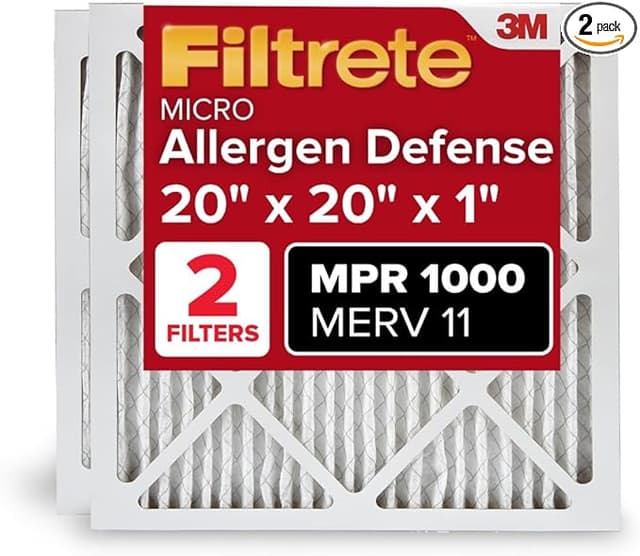
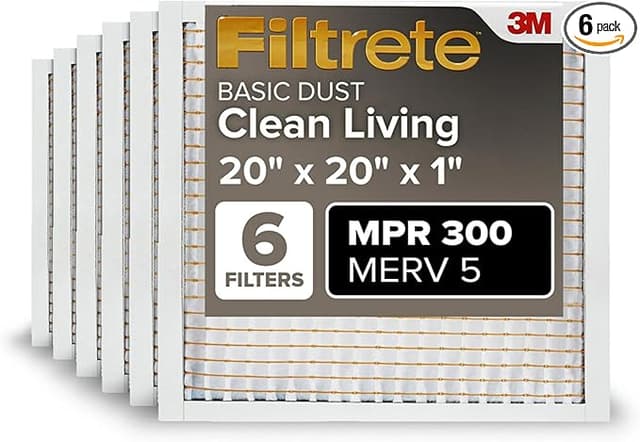
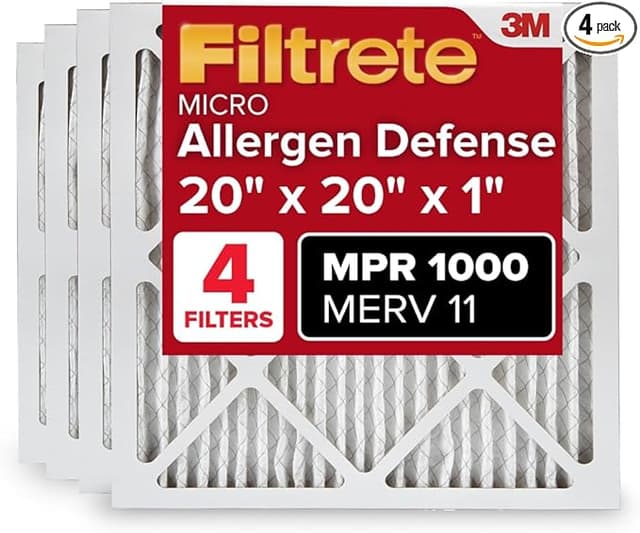
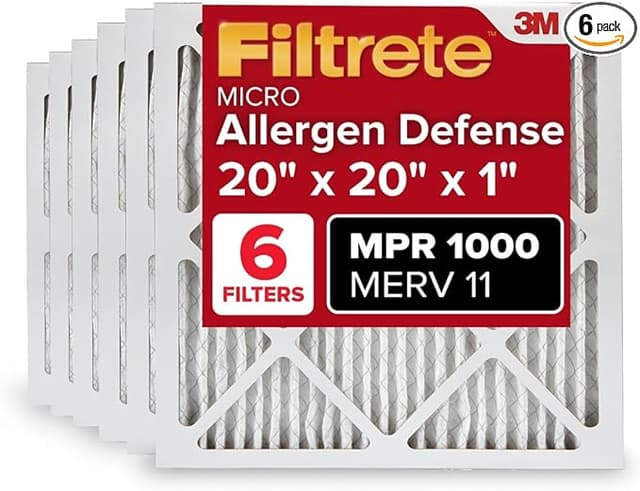
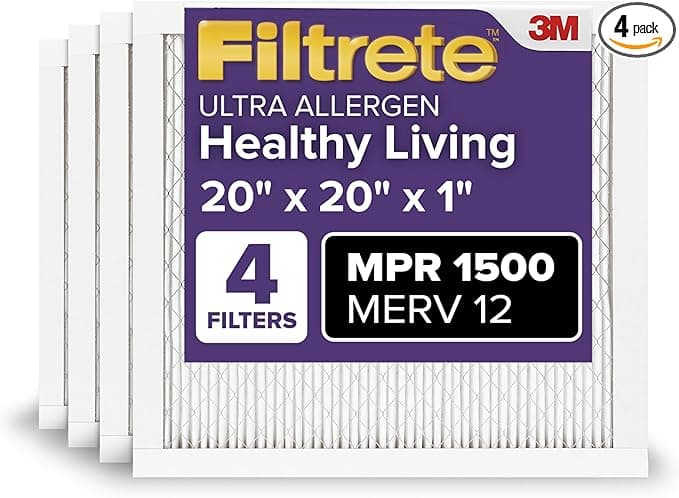
That's the moment that sent me down the compatible-filter rabbit hole. The multipack I've been running instead works out to a fraction of that per filter — call it a third, sometimes a quarter, depending on the deal. Same 20x20x1 cardboard frame, same MERV-rated pleated media doing the same job in the same slot. So the real question isn't "is it cheaper." It obviously is. The question is whether the cheap one actually holds up, or whether you're trading forty bucks for a furnace headache. I've run these in my own system long enough to tell you.
The fit: it's a 20x20x1, and it fits like one
Here's the thing nobody tells you about standard HVAC sizes — the whole point of "20x20x1" is that it's a commodity dimension. The slot in your return grille or your furnace cabinet doesn't know what brand made the filter. My compatible multipacks have slid in with the same little bit of friction the name-brand ones did. Not loose, not fighting it. Snug.
The install is genuinely a thirty-second job and I'd rather you do it right than fast. Kill the system first — flip the thermostat off or hit the furnace switch, because you don't want the blower pulling air (or an unseated filter) while you've got the cabinet open. Pull the old one straight out. It'll be gray and sad and probably bowed in the middle if you waited too long. Slide the new one in with the airflow arrows pointing toward the furnace and blower, not toward the room. That arrow matters more than people think — a pleated filter installed backwards loses efficiency and can flap. Then close it up and turn the system back on. That's it.
One honest note on fit: a couple of the budget frames I've used were a hair more flexible than the premium cardboard — you can feel it when you hold the filter by one edge and it sags a little more. In the slot it makes zero difference. But if you're the type who pinches the frame while sliding it in, go easy so you don't crease it.
Performance: where it matches, and where it's a touch behind
For everyday dust, lint, pet hair, the stuff that actually clogs a system and coats your vents — the compatible MERV-rated media I've run has kept my returns clean and my house noticeably less dusty on the furniture. I pulled one after about eight weeks and it was loaded with exactly the gray fuzz you want it catching. It's doing the job.
Where I'll be straight with you: the very top-tier name-brand filters, the ones rated for fine allergens and smoke, sometimes pull ahead on the really small particles. If you've got a serious allergy situation or you're filtering wildfire haze, look hard at the MERV rating on whatever compatible pack you're buying and don't just grab the cheapest number. Match the MERV to what the premium one offered. For a standard home that just wants clean air and a protected system, the gap is something I notice on a spec sheet and not in my actual rooms.
And the cheaper packaging is real. The premium ones come in a sturdy printed box; my multipacks have shown up shrink-wrapped together, occasionally with a slightly dinged corner on the outer frame. Cosmetic. Never affected a seal. But if you want it to look pretty in the closet, it won't.
Why a dead filter is the actual expensive mistake
This is the part that flips the whole price argument. People stretch a filter to save money — run it four, five, six months because filters "cost too much." That's exactly backwards. A clogged filter chokes airflow to your blower. The system works harder, runs longer, and your energy bill climbs to compensate. Worse, a furnace starved for return air can overheat and trip its limit switch, and a chronically struggling blower motor is a repair that costs more than a decade of filters combined.
The cheap-filter math only works because it lets you change on schedule without flinching. When a replacement costs six bucks instead of forty, you actually swap it every couple months like you're supposed to. The affordable filter isn't the compromise — it's the thing that finally lets you do the maintenance right.
So who should still buy the name brand?
If someone in your home has real respiratory issues, or you're in smoke country and you want the absolute finest filtration money buys, spend up — match or beat the premium MERV and don't second-guess it. That's a health call, not a money call.
For everyone else with a standard 20x20x1 return and a normal house? I run the compatible multipack, I've run it for months, and the only difference I can find is the number on the receipt and the box it came in. It fits, it catches the dust, it keeps my system breathing, and it costs me a quarter of what that shelf tag wanted. I bought it again last month. Honestly, I'm not going back.