Troubleshooting & Analysis
I did the math at the register and almost put it back
Two big-box brand-name 16x20x1 filters were $33. For two. That's sixteen-fifty a filter, and I burn through one every couple of months in the return vent by my furnace. Call it five, six filters a year if I'm honest about how dusty this house gets. Ninety bucks a year. On a piece of pleated paper in a cardboard frame. I stood there in the aisle doing fourth-grade arithmetic and feeling like a sucker.
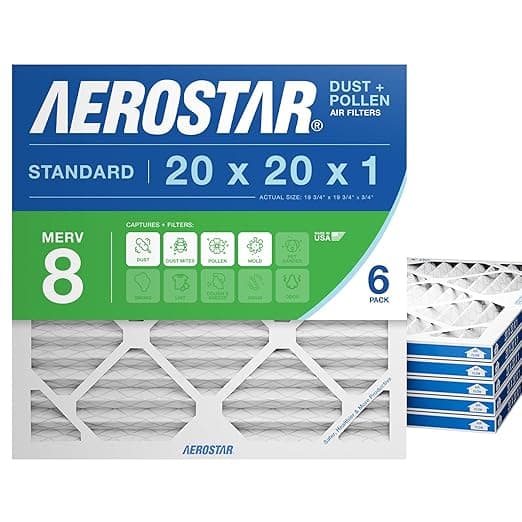
So that night I ordered a multipack of the compatible 16x20x1 instead — MERV-rated, same nominal size, a fraction of the per-filter cost. The whole pack landed for less than what I'd been paying for two name-brand ones. I've now run them through a full year, summer cooling and winter heat, in a single-stage gas furnace that is not gentle on filters. Here's the honest report.
The number that actually matters
16x20x1 is the most common residential size there is, which is exactly why the brand-name guys can charge what they charge — they know you'll grab whatever's stacked at eye level. When I switched to the compatible multipack, my real per-filter cost dropped by more than half. Over a year of changing them on schedule, that's the difference between roughly ninety dollars and roughly thirty-five. Not life-changing money. But it's money I was lighting on fire for no reason, because the cheaper filter does the same job.
And it has to do that job. A 16x20x1 in your return is the only thing standing between your blower motor and a year's worth of dust, pet dander, and drywall grit. Let it clog and airflow drops, the furnace works harder to pull the same air, your energy bill creeps up, and in a bad case the heat exchanger overheats and the system shuts itself down on a limit switch. I've had a furnace lock out on a filthy filter before. It's a Sunday-night, no-heat, why-is-it-forty-degrees-in-here kind of problem. So the filter is cheap insurance — which is the whole reason overpaying for it stings.
Fit and install — the part I was nervous about
This is where compatible filters earn their bad reputation, so I paid attention. Honestly? It seated fine. The actual filter measures a hair under 16x20, like every 1-inch filter does — that "16x20" is the nominal size, the real cut is closer to 15.75 x 19.75 — and it slid into my return slot with the same little bit of give the brand-name ones had. No forcing, no bowing, no gap whining air around the edge.
Install is about as hard as changing a vent register, but do it in the right order. I kill the system at the thermostat first — you don't want the blower yanking air while the slot is open. Pull the old filter straight out (mine comes out gray and felted with dust, which is the visual that talks me out of stretching the interval). Then the new one goes in with the printed airflow arrows pointing toward the furnace and blower — away from the return grille, toward the motor. Get that arrow backwards and the pleats load up wrong and it chokes faster. Slot it in, flip the system back on, done in two minutes.
One real fit note: the cardboard frame is a touch flimsier than the premium brand. On a couple of filters the corners weren't crisp right out of the plastic. It didn't affect the seal in my slot, but if your filter sits in a loose or oversized rack, that softer frame is something to watch. In a snug return like mine, non-issue.
How it actually performs
For everyday dust, hair, and lint — the stuff that's 90% of why you run a filter at all — it's been a wash against the name brand. I do the white-glove thing on my supply registers and the surfaces stay about as clean as they did before. The pleats hold their shape through a full cycle instead of collapsing into a flat sheet by week three, which is the failure I half-expected from a budget filter and didn't get.
Where it's a touch behind: at the very high MERV end, the premium brands still have an edge on the finest particles and on rated lifespan. If you're chasing smoke or super-fine allergens, the top-shelf filter pulls slightly more, slightly longer. For my house — two people, one shedding dog, normal suburban dust — I couldn't feel the difference, and my allergies didn't get worse after switching. Your mileage depends on what you're filtering for.
The other small downside, and I'll say it because a review with zero complaints is a lie: the packaging is cheap and there's a faint cardboard-and-plastic smell the first day out of the wrap. It blows off within a day of airflow. Minor. But it's there.
Who should skip it — and what I actually do
Buy the premium brand if you've got someone in the house with serious respiratory issues and your HVAC tech specifically called for a high-MERV filter, or if your return rack is sloppy and needs a rigid frame to seal. In those two cases, pay up. It's worth it.
For everyone else with a normal 16x20x1 return and a normal house? Look — I've now bought this compatible multipack twice. It fits, it filters, it keeps my furnace breathing and my bills flat, and it does all of that for less than half what I was handing over at the register. A filter's job is to load up with junk and get thrown away on schedule. Paying brand-name prices for a disposable part I toss every two months stopped making sense the day I did the math. I set a phone reminder, change them on time, and pocket the difference. That's the whole trick.