Troubleshooting & Analysis
The mechanic quoted me $50 to swap a $9 part
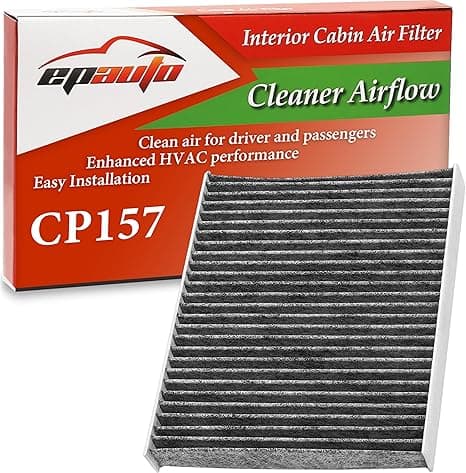
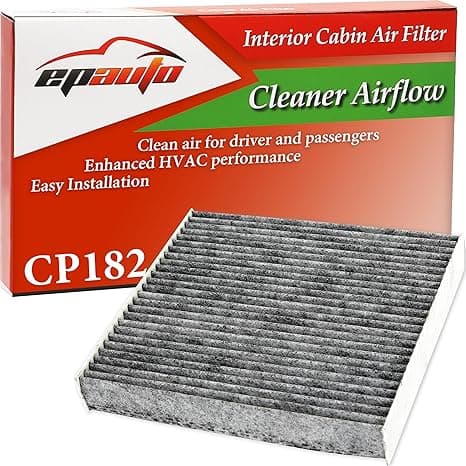
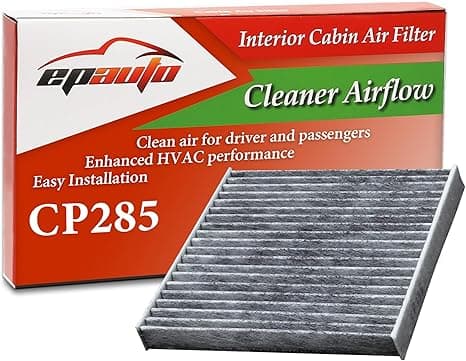
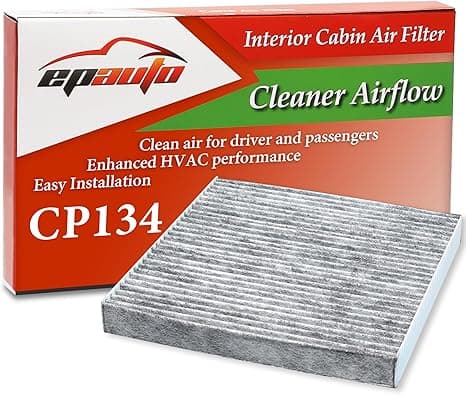
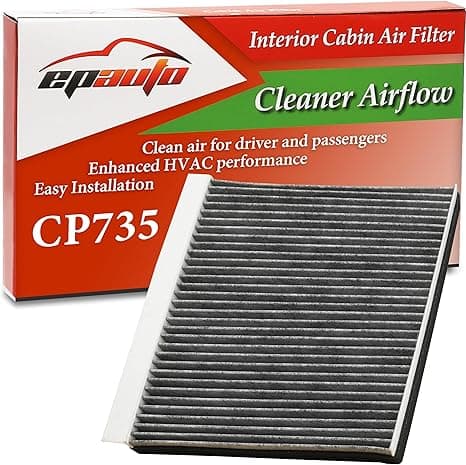
That's the number that started this whole thing. I took my car in for an oil change, the guy hands me the inspection sheet, and there's a line item: cabin air filter replacement, $50. Fifty dollars. For a job that, once I actually looked at it, takes about five minutes and a part that costs less than lunch. The EPAuto CP735 I bought to do it myself ran me around $9. So the dealer wanted roughly five times the price of the filter just to push it into a slot behind my glove box.
I said no thanks, drove home, and did it in my driveway. And honestly, the hardest part was finding the glove box stops.
The real math nobody tells you
Here's where it gets a little absurd. A cabin filter isn't a once-a-decade thing. You're supposed to swap it every 12,000 to 15,000 miles, or once a year if you drive in dusty or stop-and-go conditions. So if you let a shop do it every year at $50 a pop, that's $50 annually for a $9 part. Over five years of owning the car, you're looking at $250 in labor on something you could've done yourself for about $45 in filters total.
The CP735 covers the CP735/AK500/AC100 fitment, and it's the exact same shape, same pleat count look, same media as what the dealer would've slid in — except it's not wearing a brand markup. That's the part that got me. I wasn't buying a worse filter. I was buying the same job done by my own two hands.
Does it actually fit, or is this one of those "close enough" deals?
I was a little skeptical here, because cabin filters are one of those parts where a millimeter off means you're fighting it into the housing. So I'll be specific about what I did. Opened the glove box, squeezed the sides in to release the stops so the whole box drops down — that's the step that trips people up, you have to pinch past the little tabs on each side. Behind it there's a flat rectangular cover for the filter housing. Popped that, slid the old filter out.
And let me tell you, the old one was disgusting. Gray, matted, a leaf fragment stuck in one of the pleats, and it smelled faintly like a basement. That's the thing restricting your airflow and making your AC work harder than it should.
The CP735 went in clean. Airflow arrows pointing down, which is printed right on the frame so you don't have to guess. It seated with a soft give — not a loud click like some housings, more of a "okay, it's home" when the cover snapped back. No trimming, no forcing, no gap on the edges. Glove box back up onto its stops and done. Five minutes, and four of those were me double-checking the arrow direction because I'm paranoid like that.
How it actually performs
First thing I noticed driving the next morning: the airflow on the same fan setting was noticeably stronger. That makes sense — a clogged filter is a wall your blower has to push through. Cabin smelled neutral instead of that musty undertone I'd gotten so used to I'd stopped registering it. Cleared up the next day once the system cycled.
On filtration, it does the everyday job — road dust, pollen, the gritty stuff that floats up from the car ahead of you in traffic. If you've got allergies, you'll feel the difference within a week. Where I'd be straight with you: this is a standard particulate filter, not an activated-carbon one. So it knocks down dust and pollen great, but it's not going to scrub exhaust odor or that sewage-plant smell when you pass one the way a carbon filter would. For most people that's a non-issue. If you specifically want odor control, that's a different spec to look for.
The downsides — because there always are some
Two things, and I want to be real about both because a review with zero complaints is a review I don't trust.
First, the packaging is nothing. It showed up in a thin plastic sleeve, slightly bent at one corner. The filter itself was fine — the pleats sprang right back, no permanent crease — but it doesn't arrive feeling premium. If you need your parts to come in a glossy box to feel good about them, this'll bug you. Didn't bug me. I was about to shove it into a dark plastic housing forever; I don't need it gift-wrapped.
Second, there was a very faint plastic-and-cardboard smell for the first day or two. Not chemical, not strong — more like the smell of something brand new out of the wrapper. By day three I couldn't notice it at all. If you're sensitive to that, run your fan on fresh-air intake (not recirculate) for the first couple drives and it airs out fast.
The frame plastic also feels a touch less rigid than the OEM piece I pulled out. Be honest, it doesn't matter once it's seated — it's held in place by the housing on all sides — but if you handle them back to back, you'll feel the OEM is a hair stiffer. That's the kind of thing you're paying the brand tax for, and it changes nothing about how it does its actual job.
Why a dead filter is more than a comfort thing
People treat the cabin filter like an air freshener, but a clogged one strains your blower motor and makes the AC work harder, which over time is real wear on parts that cost a lot more than $9 to fix. And you're the one breathing whatever it stops catching — road dust, brake particulate, exhaust from the truck in front of you. A saturated filter has basically given up. Swapping it on schedule is cheap insurance for both your lungs and your AC system.
So who should buy what
If you want activated-carbon odor control, or you genuinely don't want to spend five minutes behind your glove box, then pay for the upgraded spec or let the shop do it — no shame in that. But for the standard particulate job, which is what most of us actually need, the CP735 does the identical work the dealer's filter does. I paid about $9 instead of $50, did it myself in the time it takes to make coffee, and my car breathes better for it.
I've now done two of these on my own cars and bought a third for my brother's. That's the most honest endorsement I've got — I keep buying it. For roughly forty bucks less than the mechanic's number, doing the exact same job, I'd grab this one again every time.