Troubleshooting & Analysis
Forty-five bucks. For a robot vacuum filter.
That's what stopped me cold. My DEEBOT N79 started leaving little tumbleweeds of dog hair in the corners — the suction had clearly gone soft — and I figured, fine, time for a fresh filter kit. So I went looking for the Ecovacs part. The genuine kit ran me about $45 by the time I added the HEPA elements and the sponge pre-filters together. For a vacuum that, used, isn't worth that much more than the filter I was about to buy. The compatible kit I ended up grabbing? Around $18. Same number of pieces. Roughly $27 saved on a part I'm going to throw away in three months anyway.
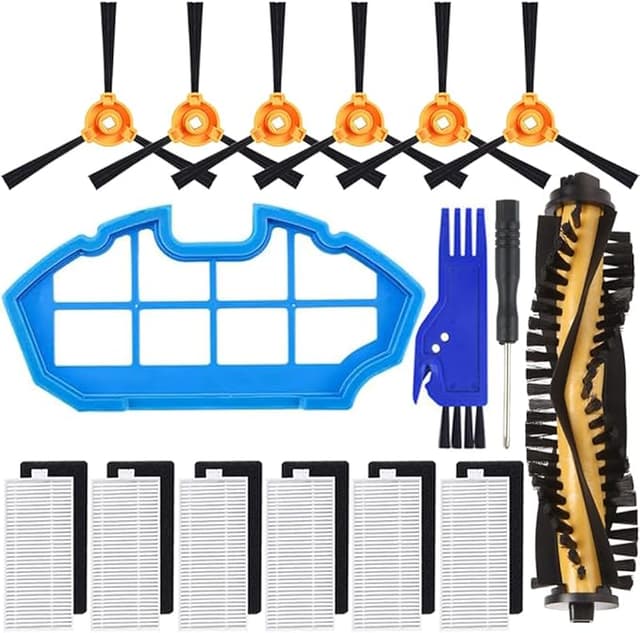
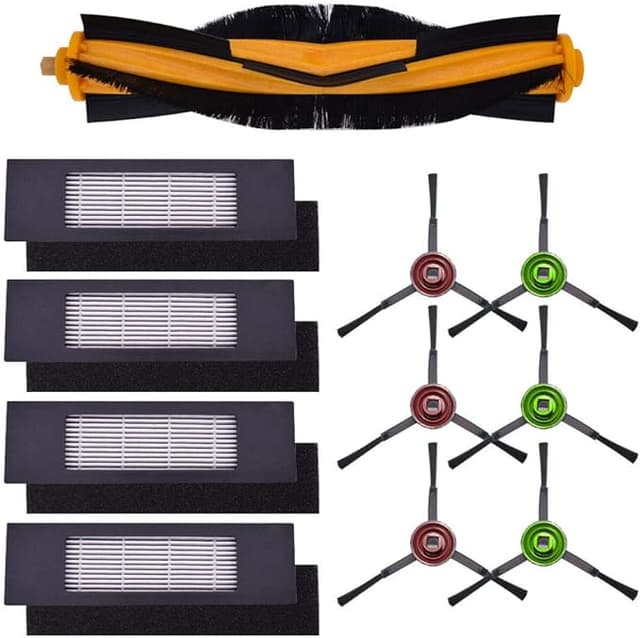
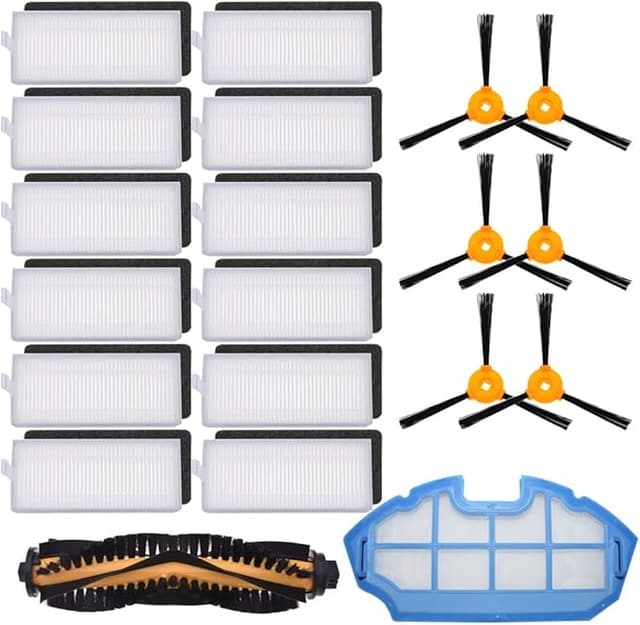
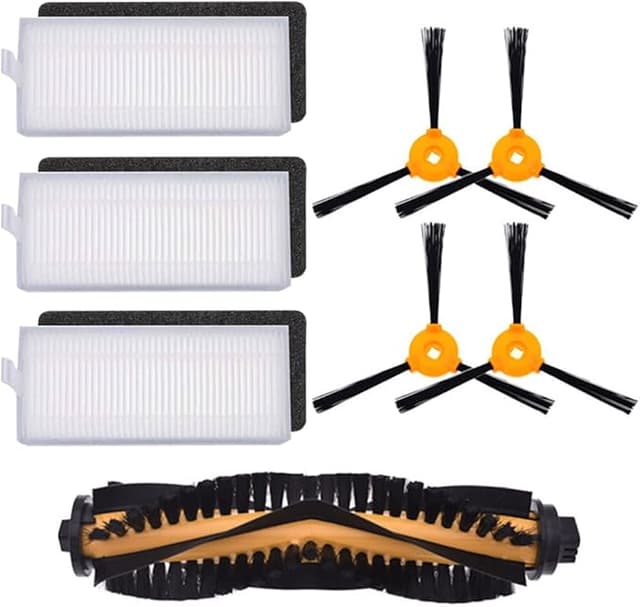
I didn't trust it. I'll be honest with you. Eighteen dollars for a multi-piece kit — HEPA filter, the foam sponge, sometimes a little roller brush thrown in — sounds like the kind of thing that shows up looking like it was cut by hand in someone's garage. So I bought one set, kept my worn OEM filters as a backup, and decided I'd run the cheap one until it either worked or embarrassed itself.
What you're actually paying the brand for
Here's the thing about robot vacuum filters specifically: they're a consumable that Ecovacs would love you to buy on a schedule. The N79 and the broader DEEBOT ROBOVAC line eat filters because the bin is small and the thing runs a full floor every day or two. You're supposed to swap the HEPA element every two to three months if you've got pets, longer if you don't. Do that math at $45 a kit and you're spending more on filters per year than some people spend on a whole new budget vacuum.
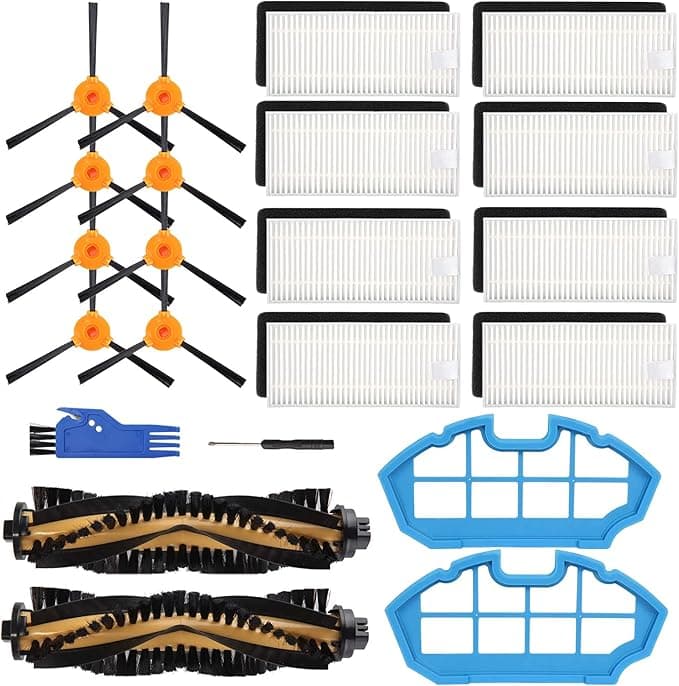
The compatible kit, replacing part Kit, is the same set of pieces doing the same job. The HEPA media on mine looked and measured identical to the genuine one — same pleat count, same frame footprint. That's the part that matters, because a robot vacuum filter isn't doing anything exotic. It traps fine dust so it doesn't blow back out the exhaust and recoat the floor you just cleaned. There's no firmware, no smart chip, no calibration. It's pleated paper in a plastic frame. The brand premium is buying you the logo and the box.
Does it actually fit the bin?
This was my real worry, more than performance. Robot vacuum bins are fussy — the filter has to seat flat or the bin lid won't latch, and if it won't latch the robot throws an error and parks itself. I powered the N79 down, popped the dustbin out, pulled the old HEPA and the foam sponge, and wiped out the compartment with a dry cloth (there's always a fine grit layer in there). Then I dropped the new pieces in the same orientation the old ones came out — HEPA element pleats facing the airflow, sponge behind it.
It seated. The bin lid clicked shut on the first try. No shaving the frame, no forcing it. I will say the new filter went in maybe a hair easier than the OEM did — and that's not entirely a compliment, which I'll get to. But the fit was right, the bin slid back into the robot, it powered on, and it ran a normal cycle without complaint.
How it actually cleans — the honest version
For the first full week I ran it side by side in my head against what I remembered from a fresh OEM filter. And honestly? On the floor, I can't tell the difference. Suction came back. The corners stopped collecting hair-tumbleweeds. The exhaust didn't smell dusty, which is the tell-tale sign a filter is leaking fine particulate. After a month in a two-dog household, the HEPA element had loaded up with the gray felt of pet dander exactly the way the genuine one did — which is what you want to see. It's catching the stuff.
Where's it a touch behind? The frame is slightly less rigid than the Ecovacs original. The OEM filter frame has a reassuring stiffness; this one flexes a little more if you squeeze it. In the bin, seated, it makes zero difference — it's clamped flat either way. But it does mean I'm a bit gentler tapping it out when I clean it between swaps. And the foam sponge in the kit is a touch thinner than the one it replaced. Not alarmingly so. I just don't expect it to survive quite as many rinse-and-dry cycles, so I treat it as the part I'll retire first.
The real downside, said plainly
The packaging is cheap and the quality control is a coin-flip on cosmetics. My first kit was fine. A second kit I ordered for a friend's unit had one HEPA element where the glue bead along one edge had a tiny gap — cosmetic, didn't affect the seal once seated, but it's the kind of thing you'd never see on the OEM part. If you're someone who needs every piece to look factory-perfect out of the bag, that flex-frame-and-glue-gap stuff will bug you. It doesn't bug me, because it's a filter that lives sealed inside a robot and gets thrown away in twelve weeks. But you should know it's there.
There's also the faint plastic-and-cardboard smell when you first open the kit — that flat-pack warehouse smell. Gone in a day once it's airing out in the bin. Nothing in the airflow, nothing you'll smell while it runs.
Why I don't let it ride past the swap date
One thing I won't talk you out of: actually replacing the thing on schedule. A clogged robot vacuum filter doesn't just clean worse — it makes the motor work harder pulling air through saturated media, and that's the part that wears the machine. On a vacuum where the motor is the expensive component and the filter costs $18, running a dead filter to "save money" is exactly backwards. The cheap part exists to protect the expensive one. That's the whole reason the compatible price matters: at $45 you hesitate to swap, at $18 you just do it on time.
So who should skip it?
If your DEEBOT is under warranty and you're the type who worries a third-party consumable could give Ecovacs an excuse to deny a claim — buy the OEM kit and sleep easy. That's a real reason and I won't argue it. And if you only replace the filter once a year because you've got no pets and clean floors, the savings are small enough that it barely matters either way.
For everyone else — pets, daily runs, a filter you're burning through every few months — I grab the compatible kit. I've bought it more than once now. Same job, the floor's just as clean, and I'm keeping the roughly $27-a-swap difference in my pocket where it belongs. For a part destined for the trash in twelve weeks, paying the brand tax never made sense to me.