Troubleshooting & Analysis
The click is the first thing I trusted
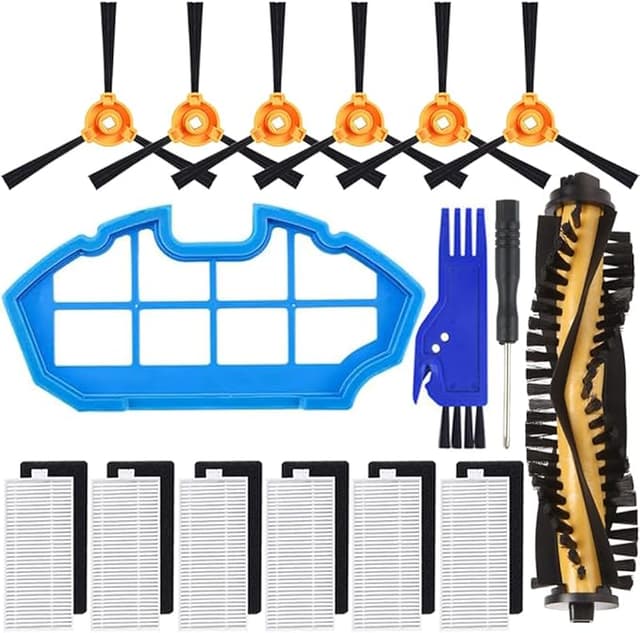
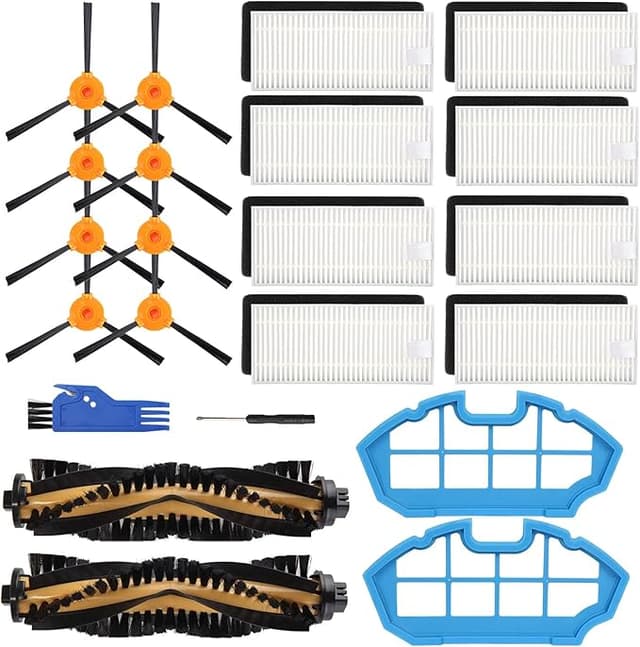
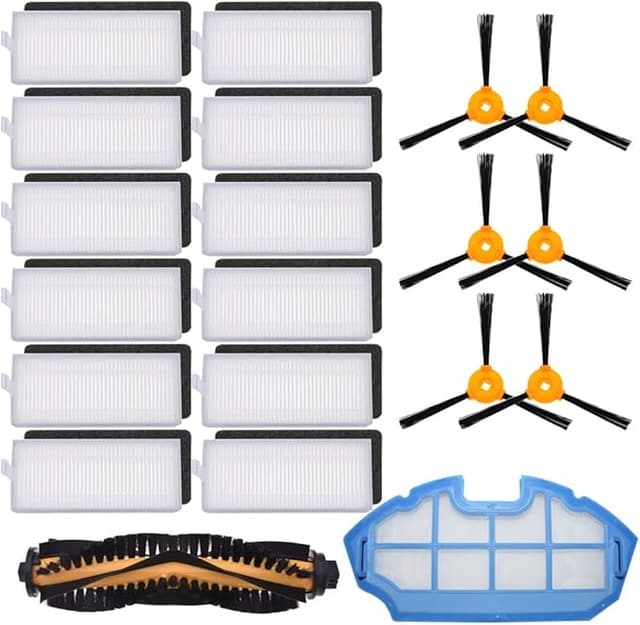
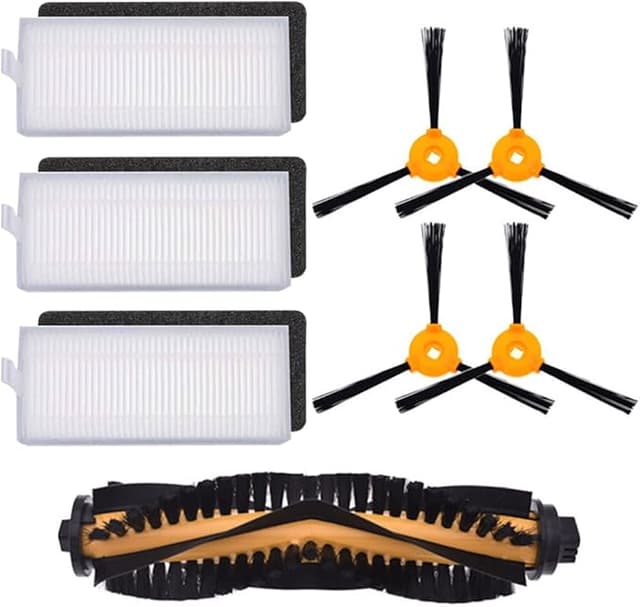
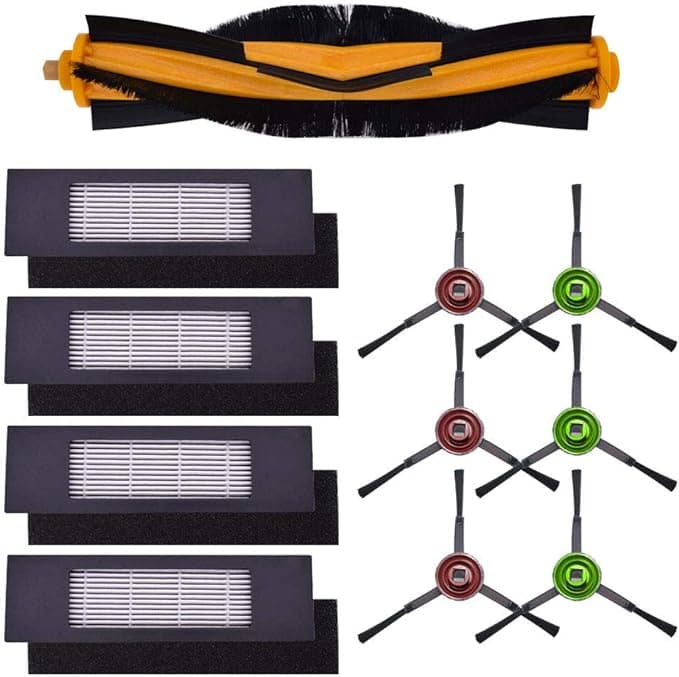
You know that little snap when a filter seats right? My old OEM Ecovacs filter made it. The first compatible one I tried — a no-name generic for the DEEBOT OZMO — I slid it in expecting to feel cheated, and it gave me the same dry plastic click. Same place, same pressure under my thumb. I sat there on the kitchen floor with the dustbin open and thought, okay, fine, that's a real fit. Not a "close enough, force it" fit. A real one.
I'd been putting off buying it for weeks, honestly, because the math felt too good to be true. Ecovacs wants a premium for what is — let's be clear — a folded sheet of pleated media in a plastic frame. The compatible packs I've been running cost roughly 40 to 60 percent less than buying through the brand. On the specific multi-packs I've grabbed, that's the difference between paying something like $30 for a brand set and around $14 for the generic equivalent. Over a year of a robot that runs most days, that gap stops being trivial.
The honest fit notes (because it's not flawless)
Here's where I keep myself honest. The frame on the compatible one is a hair looser than the original. Not loose enough to rattle or let air sneak past the edges — it still beds down flat against the seal — but if you set the OEM and the generic side by side and press the corners, you'll feel the OEM has a touch more rigidity. On the DEEBOT it didn't matter in practice. It sat flush, the bin cover closed without me having to lean on it, and the robot didn't throw any "check filter" complaints. But I'm not going to pretend the plastic is identical, because it isn't.
And the smell. First day out of the bag there was a faint plastic-y odor — that fresh-injection-molded thing. I noticed it more because the robot blows a little air when it docks. By day three it was gone. Completely. If you've got a sensitive nose, run the vacuum once before you care about the room being fresh, and you'll never know it was there.
Install — it's a two-minute job, don't overthink it
I power the OZMO off and unplug it first. Habit, mostly, but it keeps the brushes from spinning while my fingers are near them. Pop the dustbin, slide the old filter out, and pay attention to which way it faces — there's a clean side and a dirty side, and the new one goes in the same orientation as the one you pulled. I wipe the little compartment out with a dry cloth, because there's always a fine layer of dust caked in the corners that the bin never quite captures. New filter in until it clicks, bin back in, power on. Done. If your model tracks filter life, reset the indicator so it stops nagging you.
That's it. No tools, no tape, no "modify the frame to make it fit" nonsense that you sometimes hit with cheaper aftermarket stuff for other machines. This one just goes.
How it actually performs
Suction held. That's the headline. I run a house with a dog, so my real-world test is whether the bin fills the way it used to and whether the floor looks done after a pass. After a couple weeks on the compatible filter, the OZMO was pulling the same dark mat of hair and grit it always did, and the airflow note from the motor sounded normal — not strained, not whiny like a clogged filter makes it go.
Where's it a touch behind OEM? Longevity, maybe. The media feels a fraction thinner, and my gut says the brand filter might hold its pleats a little longer before it starts to load up. But here's the thing — these are consumables. You're meant to swap them on a schedule, not nurse one for two years. At less than half the price, I'd rather change the generic a hair more often than baby an expensive one. The cheaper-and-more-often math still wins easily.
Why a tired filter is worth caring about
Let me put the safety bit plainly, without scaring you. A saturated filter doesn't just clean worse — it makes the motor work harder pulling air through a clogged sheet. On a robot vac, that motor is the expensive part. Running a packed filter for months is how you cook a component that was never designed to fight a wall of trapped dust. A filter is a few bucks. The machine is a few hundred. Letting the cheap part go bad to "save money" is the one move that actually costs you.
So who should buy what
If you're the type who wants every part to carry the Ecovacs logo and you'll genuinely lose sleep over a slightly less rigid frame, buy the OEM. No argument from me — it's a good filter and your peace with the purchase has value.
But for everyone else? I've run the generic for months across more than one swap now, and it fits, it cleans, the faint break-in smell vanished in days, and it costs roughly half. The looser frame and the maybe-slightly-shorter life are the real trade-offs, and I'm telling you about them on purpose — and even knowing them, I keep buying the compatible one. I did again last month. For a folded sheet of media doing the exact same job, paying the brand premium just never makes sense to me.