Troubleshooting & Analysis
I stood in the app store of robot-vac parts with two tabs open
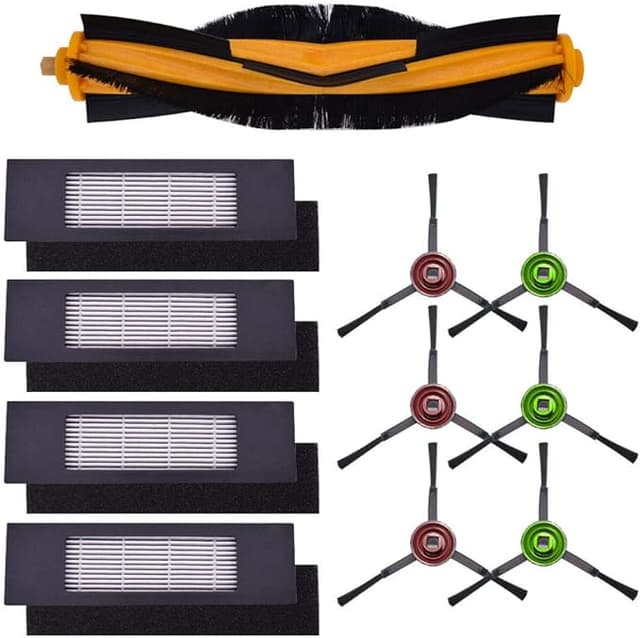
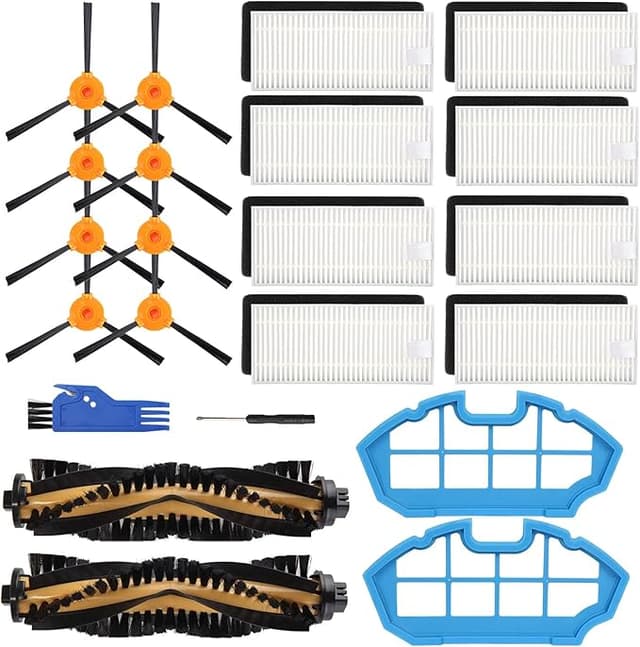
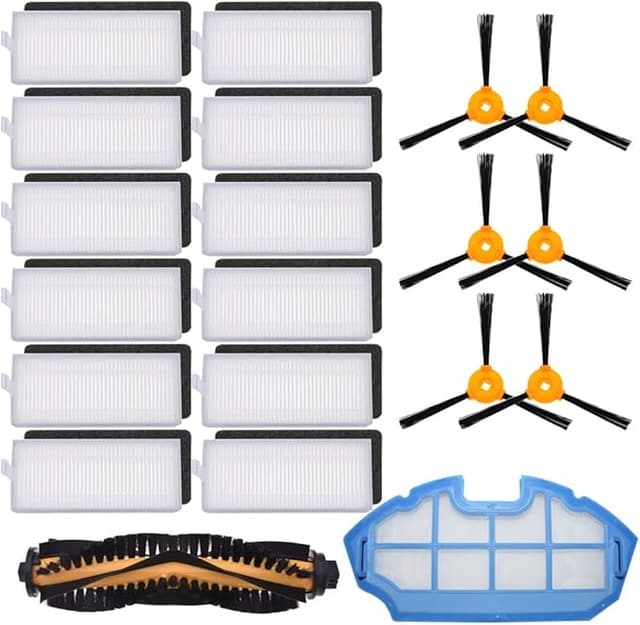
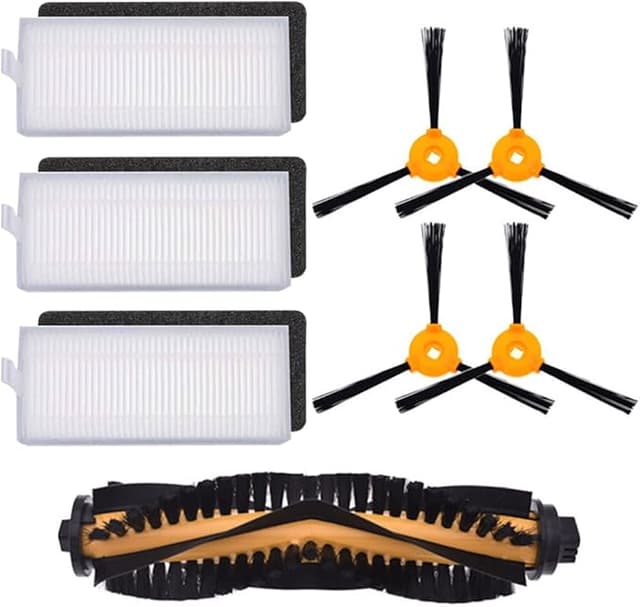
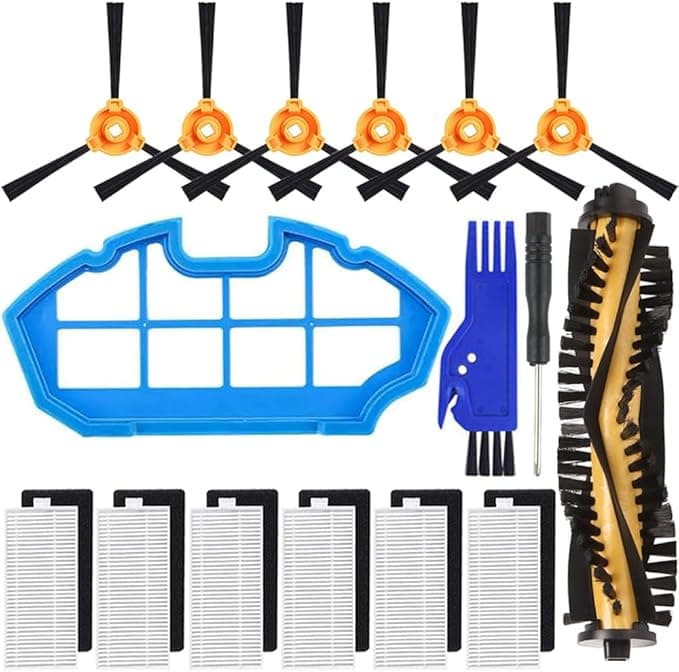
One tab: the Ecovacs-branded filter pack for my DEEBOT N79S. The other: a generic compatible set that did the exact same job for less than half. I'd already killed one filter by running it gray and crusty for too long, so I wasn't in a mood to be cheap and stupid at the same time. But I also wasn't thrilled about paying a brand premium on a chunk of pleated paper and foam that lives inside a vacuum and gets thrown away every couple months.
So I did the thing I always do. I bought the generic, ran it in my actual apartment, and watched what happened. Here's the honest report.
The money, plainly
This is where most people land before they even read the rest, so let's get it out of the way. The OEM Ecovacs replacement runs you real money for what amounts to a consumable. The compatible set I bought came in around $14 for a multi-pack — roughly 40 to 60 percent under the brand price depending on when you catch it. Call it a $20 swing on a single comparable order, and more than that over a year if you actually replace on schedule.
Do the annual math, because that's the part the listing won't do for you. The DEEBOT N79S sheds filters fast if your floors see pet hair or you run it daily — I'm changing mine every two to three months. That's four to six filters a year. On OEM, you're feeding this little robot a steady diet of brand-tax. On the compatible, the same year of clean-running costs about what one OEM multi-pack does. That gap isn't theoretical. It's the difference between "ugh, again?" and "whatever, swap it."
Does it actually fit, or do you fight it
This is the question that matters more than price, because a $14 filter that doesn't seat is a $14 mistake plus a vacuum that throws debris back into your air.
It fits. The procedure is dead simple: power the N79S off and pull it off the dock so it's fully dead, pop the dust bin out the back, and the filter assembly lifts right out — there's usually a foam pre-filter and the pleated HEPA-style element together. I noted the orientation of the old one before yanking it, wiped the bin compartment out with a dry cloth (do this, it's gross in there), and dropped the new one in the same way the original sat. Cover clicks back. Bin slides home. Done in under two minutes.
The fit is honest but not flawless. The frame on the compatible unit is a hair looser in the channel than the factory part — not loose enough to rattle or leak, but if you're the kind of person who notices a half-millimeter, you'll notice it. Mine seated with a firm push and stayed put across dozens of cleaning cycles. No air bypassing around the edge that I could detect, and suction at the brush felt the same as day one with the real thing.
How it actually performs
For the work this robot does — pulling dust, crumbs, and a frankly alarming amount of hair off hard floors and low-pile rugs — I genuinely could not tell the compatible filter from the OEM in normal use. Suction held. The bin filled at the same rate. Fine dust stayed captured instead of puffing back out the exhaust, which is the failure mode you're really scared of with a cheap filter.
Where is it a touch behind? Two things, and I'll be straight about both. First, longevity. The pleats on the generic seem to load up and lose a step maybe a little sooner than the factory part — I felt suction soften around the eight-to-ten-week mark, where the OEM held a hair longer. But here's the thing: at this price I just change it more often, and changing it more often is better for the machine anyway. Second, consistency between units. Across a multi-pack, one filter had slightly tighter pleats than the others. Both worked. It just tells you the QC isn't quite factory-tight.
The downsides I'm not going to hide
The packaging is cheap. Thin plastic sleeve, no rigid tray, and on one order a filter arrived with a faintly squished corner on the foam. It puffed back into shape and sealed fine, but if you're precious about pristine parts, brace yourself — this is not a fancy box.
There's a faint smell out of the wrapper for the first day or two. Not chemical-harsh, just that flat new-plastic-and-paper note. It aired out completely within a couple of running cycles and I never smelled it in the actual exhaust during cleaning. Still, if you've got a sensitive nose, unwrap it and let it sit on the counter overnight before you install.
And the loose-frame thing I mentioned — I want to underline it rather than bury it. It's within tolerance, it sealed, suction was unaffected. But it's the one spot where you can feel that you didn't pay OEM money. If your N79S has had its bin compartment knocked around or it's an older, worn unit, push the filter in deliberately and confirm the cover clicks fully shut. Don't just assume.
Why I don't let it run dead
Quick word on the part nobody wants to hear. A saturated, crusted-over filter doesn't just clean worse — it makes the motor work harder to pull air through a clogged element, and that strain lands on a tiny vacuum motor that was never built to fight its own filter. The filter is the cheap part. The robot is not. Running a $14 filter on schedule is the entire argument for buying the affordable one: when replacement is painless, you actually do it, and the machine you spent real money on lasts longer because of it.
So who should buy what
Buy OEM if your N79S is still under warranty and you're the type who wants zero variables if you ever need to make a claim, or if that half-millimeter of frame play would genuinely bug you every time you open the bin. That's a real preference and I won't talk you out of it.
For everyone else — and that's most of us — I grab the compatible one. It fits, it captures dust as well as the factory part in day-to-day cleaning, the only real costs are cheaper packaging, a day of faint smell, and changing it a couple weeks sooner. For roughly $20 less per comparable order and a chunk of money saved across a year of swaps, doing the identical job, I'd buy it again. And I have — I've got a spare sitting in the drawer right now, waiting for the next time my floors remind me how much hair lives in this apartment.