Troubleshooting & Analysis
The click was the first thing that told me it was fine
I'll be honest — I didn't trust it. I had the new filter in one hand, the old Ecovacs one in the other, and they didn't even smell the same. The OEM one I'd pulled out was gray and matted with four months of dog hair and that fine drywall-colored dust that lives under my couch. The replacement had a faint plastic smell, the kind you get from anything that ships sealed in a poly bag. For about a second I thought, here we go, I bought junk.
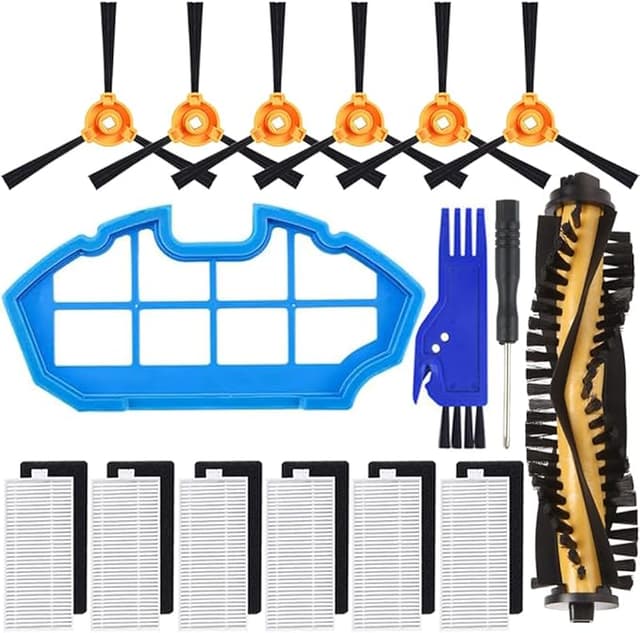
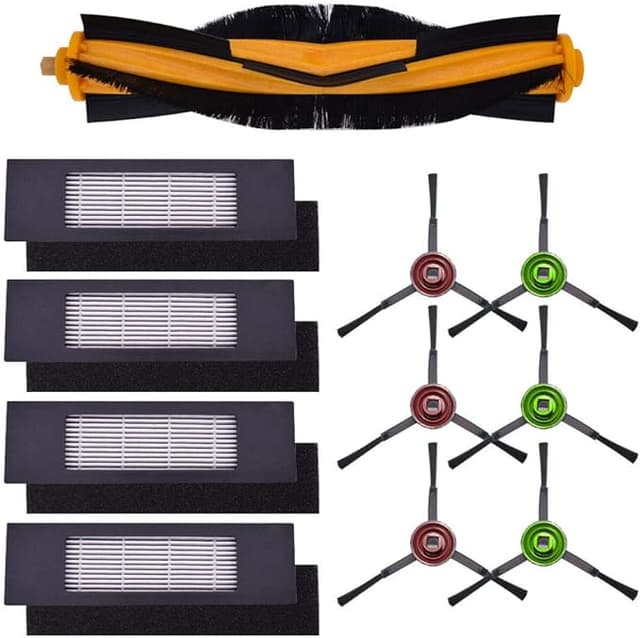
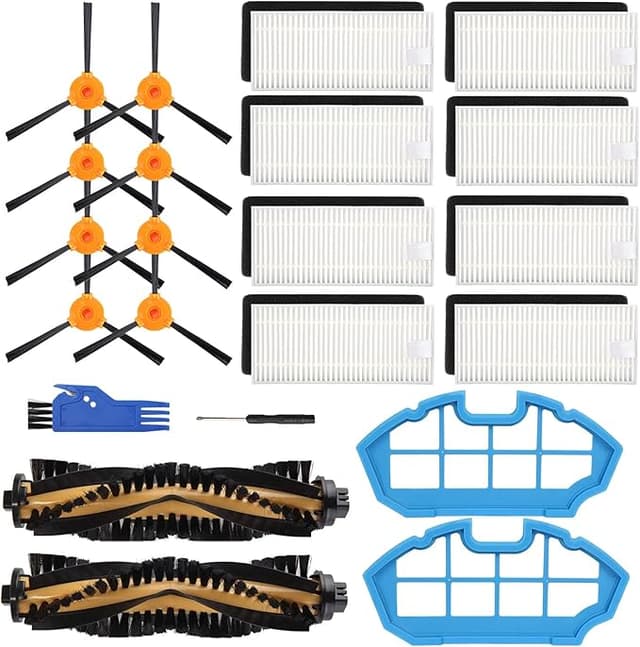
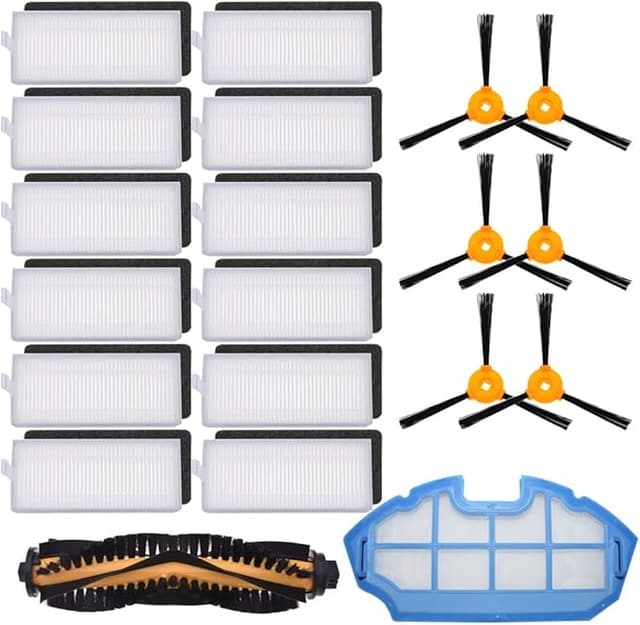
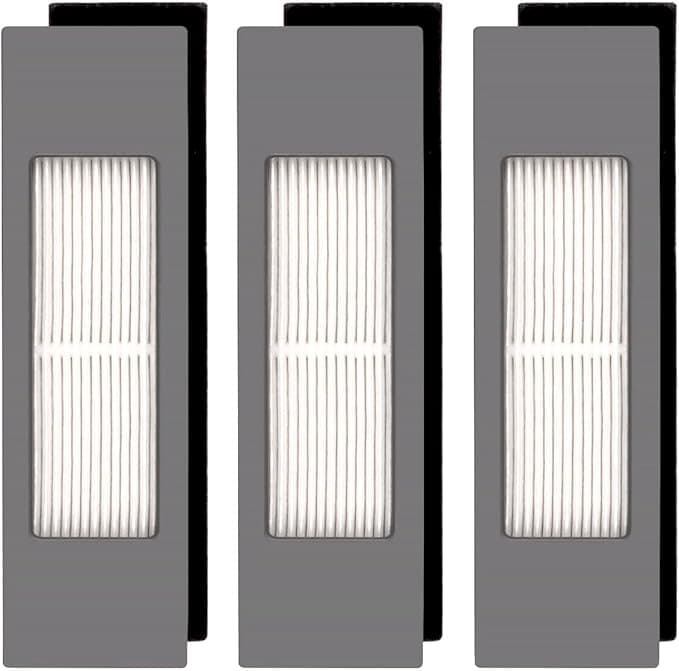
Then I seated it. And it clicked. Same little snap the original made, same resistance right at the end where the pleated frame meets the housing on the DEEBOT OZMO. That click is dumb but it mattered to me. It's the sound of "this is actually the right part," not the sound of me forcing a square peg into a round bay. If a compatible filter is going to fail you, it usually fails right there — loose, rattly, sitting a millimeter proud so unfiltered air sneaks around the edge. This one didn't.
The money, because that's why you're here
Let's not pretend this is about anything else. I was looking at the branded Ecovacs filter and the price had crept up to around $26 for what is, functionally, a piece of pleated media and a plastic frame. The compatible one I bought ran about $14 for a two-pack — so call it $7 a filter. That's not a typo. The aftermarket pack costs roughly a quarter of what one OEM filter costs.
And you go through these. If you run your DEEBOT a few times a week like I do, you're swapping the filter every couple of months, sometimes faster if you've got pets or you just did a renovation. Do that math over a year. Four or five OEM filters is north of $100. Four or five of these is more like $30. That's a $70-ish gap, every year, for a part that does the exact same job in the exact same slot. I have better things to spend seventy bucks on than the privilege of a logo printed on a frame I throw in the trash.
Fitting it, in plain terms
There's nothing to this, and I want to walk you through it so you're not nervous. Power the robot down first — pull it off the dock so it can't decide to wander off mid-swap, which mine has absolutely tried to do. The filter bay on the OZMO is right there once you pop the dustbin; there's a little latch you press and the compartment opens. The old filter lifts straight out. Take it outside or hold it over a trash bag, because that thing is a packed cloud of allergens and you do not want to bang it out over your kitchen counter.
New one goes in the same orientation, pleats facing the airflow, and you press until you get that click I keep going on about. Snug, not jammed. That's it. Ninety seconds, no tools, and the only way to mess it up is to put it in backwards — and the frame shape mostly stops you from even doing that.
How it actually performs
I ran it for about three months before I felt like I'd earned an opinion. Suction held. The bin filled up the way it always does. When I finally pulled it to check, the media had that even gray loading across the whole pleat — which is what you want to see. It means air was going through the filter, not sneaking around a bad seal. On a side-by-side that's honestly the whole test: does the dirt land on the filter, or does it land back in your motor? Here it landed on the filter.
Is it identical to OEM? No, and I'm not going to insult you by saying so. Hold them up to a window and the aftermarket media looks a hair less dense in the pleat. In a lab with a particle counter you'd probably measure a small difference on the very finest dust. In my bedroom, on my floors, across three months — I could not tell you which run used which filter. The cleaning was the cleaning.
The real downsides, because there are some
First, that plastic smell. It's real. For the first two or three days the robot had a faint new-shower-curtain thing going whenever the fan kicked on. It aired out completely by day four and I've never noticed it since, but if you've got a sensitive nose, run the robot once with a window cracked before you stop thinking about it.
Second, the frame tolerance. It seated fine — that click was honest — but the plastic on the frame is a touch thinner than the branded one. With the OEM filter there's zero flex; this one, if I squeeze the frame between two fingers, gives the tiniest bit. In the bay, under normal use, it doesn't matter at all. But I wouldn't manhandle it, and I wouldn't try to wash-and-reuse it five times the way you might be tempted to with a sturdier frame. Treat it as the consumable it is.
Third — and this is on the seller, not the filter — the packaging is cheap. A flimsy bag, no rigid backing. One of mine arrived with a slightly bent corner on the frame. It still seated and sealed, so no harm done, but it didn't inspire confidence opening the mailer. If yours shows up visibly crushed, that's worth a return.
Why I don't let it ride too long
One thing I won't soften: do not run a dead filter to save a few bucks. A clogged filter is the actual expensive mistake here. When the media chokes, the robot's little motor has to pull harder to move the same air, and that strain is what eventually kills the fan — and a new motor or a new robot costs a hundred times what a filter does. Worse, a saturated filter stops trapping the fine stuff and starts puffing it back into the room every time the fan runs, which is the opposite of why you bought a robot vacuum. The whole point of going cheap on the filter is that you can swap it the moment it looks loaded instead of nursing a pricey one for too long. Cheap filters, changed often, beat expensive filters changed late. Every time.
So who should skip it?
If you've got severe allergies or asthma and you genuinely need the absolute tightest filtration the machine can manage, buy the OEM and pay the premium — that small density difference might matter to your lungs, and that's a fair reason. And if the few-dollar gap honestly doesn't register for you, there's nothing wrong with buying the branded part and never thinking about it.
But for the rest of us — for me — a filter that clicks in right, loads evenly, cleans the same, and costs about $7 against the OEM's $26? I bought it, I ran it, I bought it again. The plastic smell faded, the frame held, the floors got clean. That's the whole review. The cheap one is fine. I'd just keep a spare on the shelf so you never have a reason to push a dirty one past its limit.