Troubleshooting & Analysis
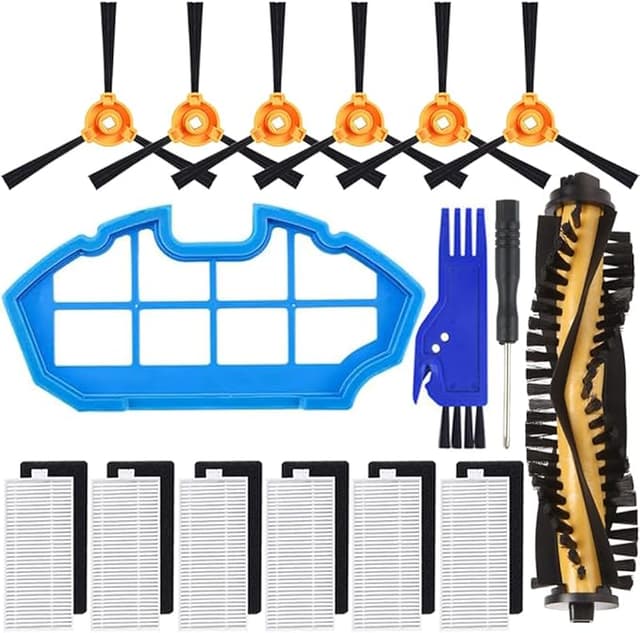
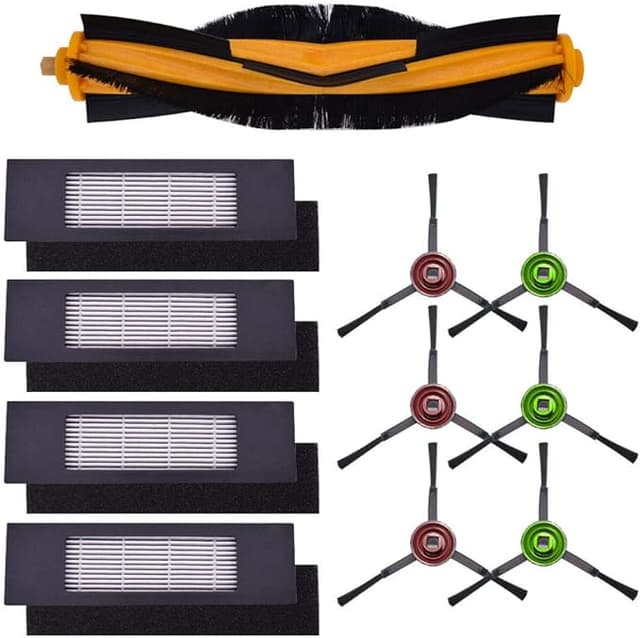
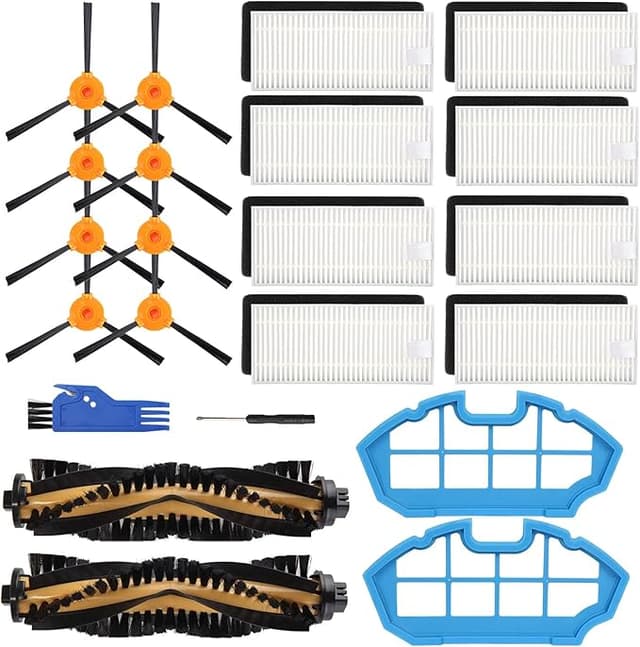
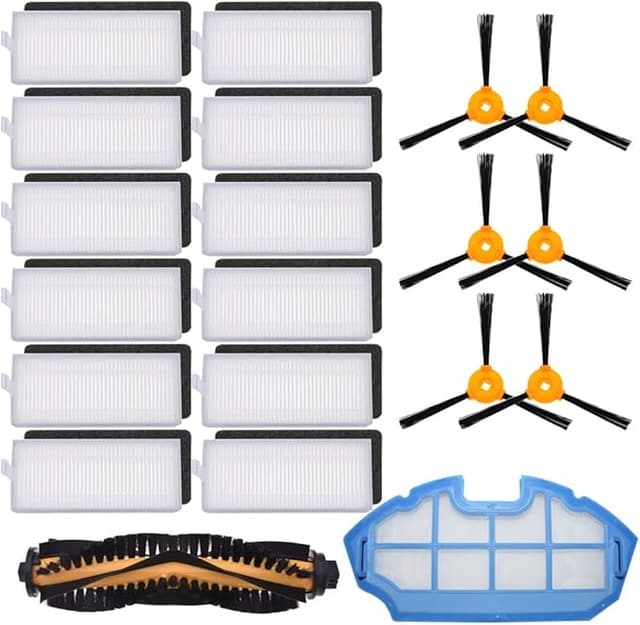
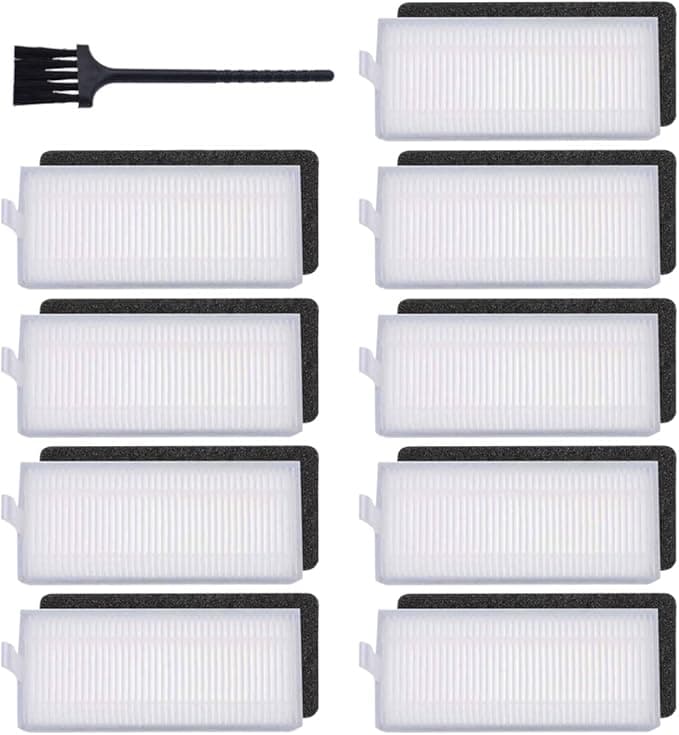
I had both kits sitting on my kitchen counter for about a week before I actually swapped anything. One was the Ecovacs-branded refresh kit for my DEEBOT N79S — filters, side brushes, the works — and the other was a generic replacement set a buddy swore by. I kept picking each one up, turning the box over, putting it back down. The brand kit ran me close to $32. The generic was $14. Same box of stuff, near as I could tell. And I just stood there going, okay, what's the catch.
That's the whole problem with these robot vacuum consumables, right? They're not glamorous. Nobody gets excited about a dust bag. But you run a DEEBOT 500 or an N79S a few times a week and those side brushes wear flat, the filter clogs with dog hair, and suddenly the thing is dragging crumbs around instead of picking them up. You need to replace them whether you like it or not. The only question is whether you pay the brand tax to do it.
What I was actually paying before
For a couple years I just bought the official Ecovacs kit without thinking. Thirty-something bucks, every few months. My N79S sheds parts the way my cat sheds fur — the side brushes splay out and stop flicking debris toward the center, the foam-and-mesh filter loads up, and the cleaning gets visibly worse. I run mine maybe four times a week across hardwood and one big area rug, so I'm doing a real refresh roughly every three to four months.
Do that math on the OEM kit and you're looking at, call it $100 to $130 a year just to keep a budget robot vacuum doing its one job. The generic kit at $14 a pop drops that closer to $45-55 a year. That's not nothing. That's a tank of gas and a sandwich, every single year, for what is — and I want to be honest here — basically a foam pad, some plastic bristles, and a couple bags.
Does the generic stuff actually fit?
This was my real fear. A side brush that's a millimeter off, a filter frame that doesn't seat — on a robot vacuum that's not a minor annoyance, it's the difference between the machine running and the machine throwing an error and parking itself.
So I did the swap the careful way. Flipped the DEEBOT upside down on a folded bath towel so I wouldn't scratch the top shell, popped the brush latches, and pulled the old worn side brushes off. Honestly the dirtiest part of this whole job is what you find under there — a felted-up wad of hair wrapped around the brush posts that I had to pick out with my fingers before anything new was going on. Cleaned the compartment, snapped the new side brushes onto the pegs, gave each one a spin with my finger to make sure it rotated free. Then the filter slid into its slot and the new dust bag clicked into the bin housing.
Total time, maybe six minutes, and most of that was me de-hairing the old compartment. The fit? Genuinely fine. The side brushes seated on the posts with the same little snap the brand ones do. The filter sat flush — no gap where unfiltered air could sneak past. I powered it up, sent it on a run, and it tracked the room and docked itself like nothing had changed.
Where it's a touch behind — the honest part
Here's what I won't pretend about. The plastic on the generic side brushes feels a hair cheaper. The bristles are a little stiffer out of the package, and for the first two or three runs I could hear a faintly louder skritch as they dragged across the hardwood. That softened up after the bristles took a set, but it was there, and if you're the kind of person who notices that stuff, you'll notice it.
The bigger one: the filter. After about ten weeks of hard use, the generic filter looked more loaded and a bit more matted than I remember the OEM looking at the same point. It's possible the foam is slightly less dense. I don't have a lab, I'm not going to lie to you and say I measured airflow. But my read is the generic filter probably wants swapping a touch sooner — call it every three months instead of pushing it to four. Even doing that, you're replacing more often and still spending way less than the brand kit. The cheaper filter loses on longevity and still wins on price.
And the packaging is, frankly, junk. Thin plastic clamshell, no instructions worth reading, one of the dust bags had a slightly crumpled edge. Cosmetic. The part worked. But don't expect it to feel premium when you open it — it feels like exactly what it is.
Why a dead filter is the thing to actually worry about
People skip this and it bugs me. A loaded filter and flattened brushes don't just mean a vacuum that misses crumbs. The DEEBOT keeps pulling air through a clogged filter, which means it's working the motor harder and recirculating fine dust — the allergen stuff, the pet dander — back into the room instead of trapping it. Run it long enough in that state and you're stressing the part of the machine you can't cheaply replace. The $14 kit isn't really about a cleaner floor this week. It's about not cooking your motor and not breathing your dog's old dander because you didn't want to spend the money.
So who should buy what
If you've got an immaculate, hair-free, hard-floor-only home and you want the absolute longest interval between swaps with zero second-guessing, buy the Ecovacs kit. There's a real, if small, edge in the filter density and the brush plastic, and some people sleep better on the brand name. No shame in it.
But me? I've got a shedding cat, hardwood and a rug, and a DEEBOT N79S that's a budget machine to begin with. Pairing a $14 generic kit with a $150-ish robot vacuum just makes sense. I swap a little more often, I picked out a gross wad of hair, I heard a slightly louder brush for two days — and I saved more than half. I've bought this kit twice now, and when these brushes wear flat I'll buy it a third time. For keeping a cheap robot vacuum doing its cheap-robot-vacuum job, that's the call I'd make again.