Troubleshooting & Analysis
The smell is what got me. Not a burning smell — worse, kind of. A damp, gym-bag, something-died-in-the-corner smell that I kept blaming on the dog until I finally crouched down next to my Coway AP-1518R and realized it was coming out of the back of the machine. The filter I'd left in there for — okay, honestly closer to fourteen months than the twelve it asks for — had gone from "air cleaner" to "small humid box of trapped gunk." When I pulled it, the pleats on the intake side were gray-brown and the bottom edge had this faint fuzz on it. Mold. In the thing I bought to make my air cleaner. That's the moment I want you to avoid.
So let's talk about what you put back in, because that's why you're here. You're staring at the OEM replacement, doing the math, and the math is ugly.
The price gap is the whole story
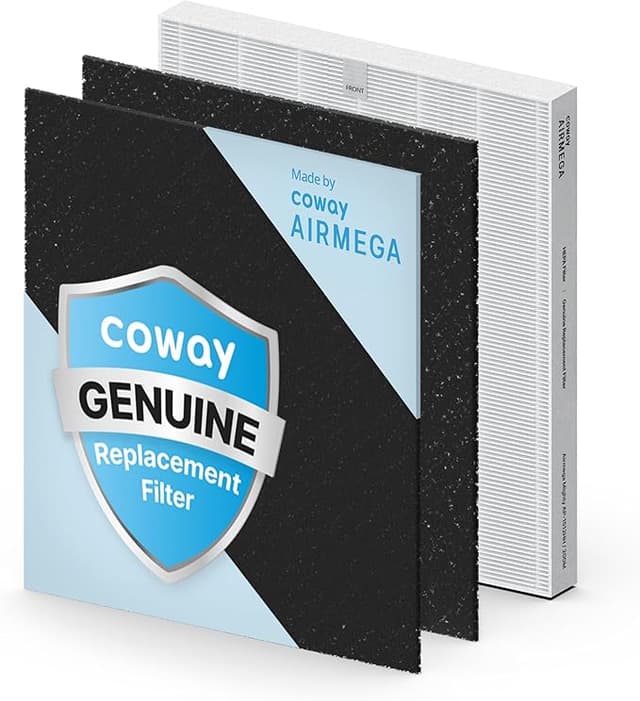
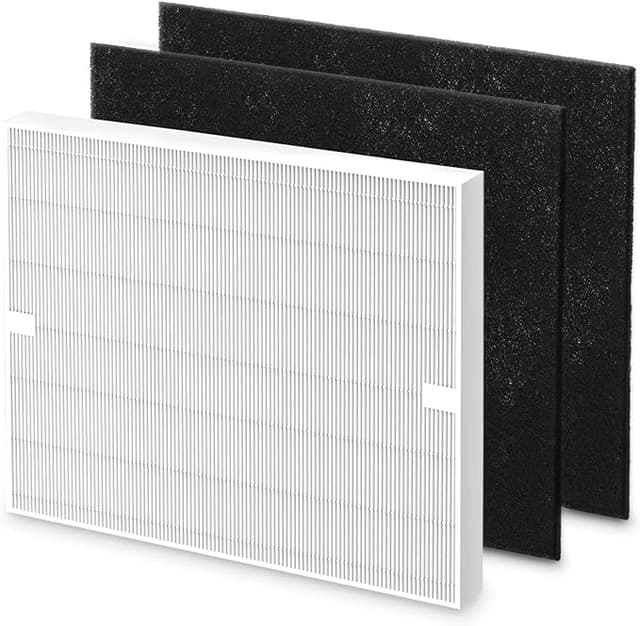
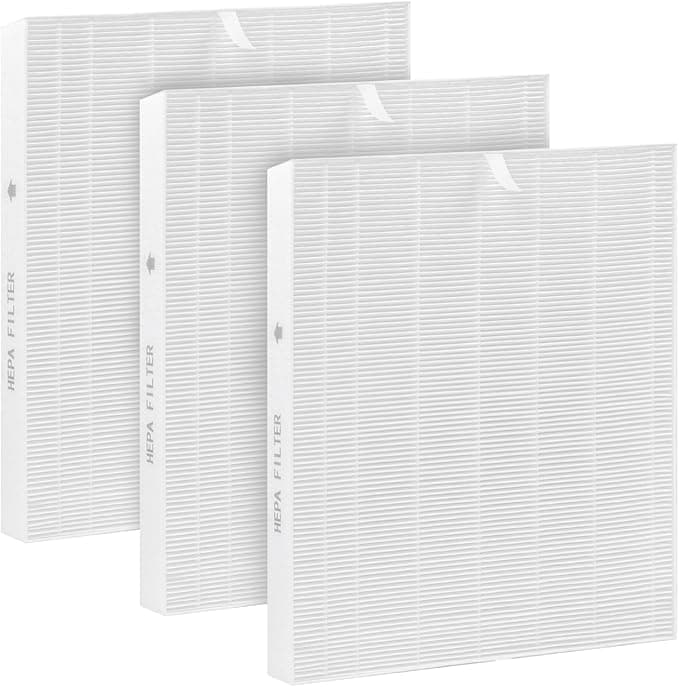
Coway prices its genuine HEPA set like it's a small appliance in its own right. By the time you add the carbon pre-filter layer, you're looking at a chunk of money every single year for a part that, functionally, is a folded sheet of H13 media in a plastic frame. The compatible H13 filter I've been running costs about half that. Call it a $25–30 swing per replacement. Over the life of the unit — these AP-1518R machines are tanks, mine's going on five years — that's the difference between "I'll change it on schedule" and "eh, I'll squeeze another few months out of it." And squeezing extra months is exactly how I ended up with the mold problem in the first place. The cheaper filter doesn't just save money. It makes you actually replace it on time, which is the entire point.
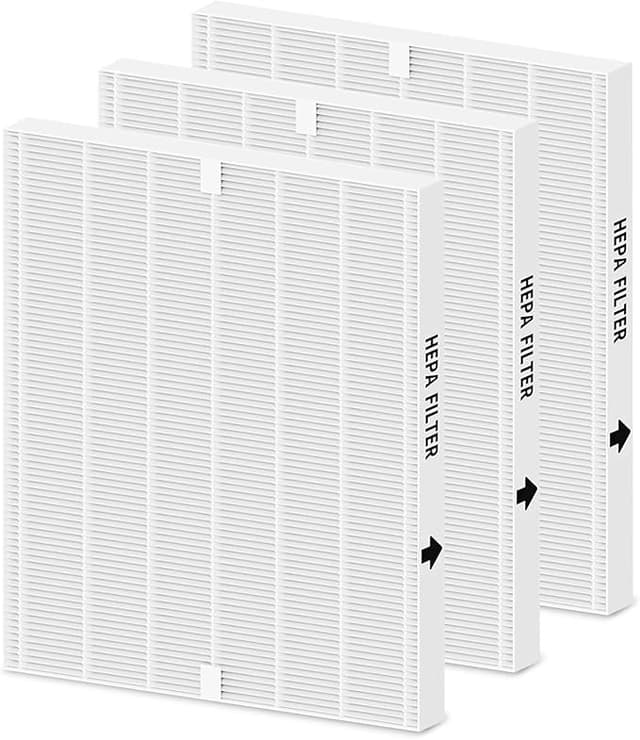
True HEPA H13, for what it's worth, is the real grade — it's pulling 99.95% of particles down to the 0.3 micron range, the stuff that actually matters for pollen, smoke, and the fine dust that makes your sinuses miserable. The compatible one I use is rated to the same H13 spec, and I'll get to whether that rating holds up in a second.
Does it fit, or do you fight it?
This was my worry too. Aftermarket parts have a reputation for being "close enough to be annoying." So here's the honest install: pull the front grille off the AP-1518R, unplug the unit first (do it, the fan can cycle), lift out the old filter, drop the new one in, snap the grille back, hold the reset until the filter light clears. Two minutes.
The fit is good but not flawless, and I want to be specific about where. The HEPA media itself seats correctly — pleats flush, sits down into the well the way it should. Where you notice the difference is the frame. It's a hair looser than the Coway original, maybe a millimeter of play, and the plastic feels cheaper, more brittle, less of that satisfying OEM click. The first one I installed, I genuinely pressed it twice because I wasn't sure it had seated. It had. After four or five of these now I know the feel, but the first time it'll make you second-guess. It doesn't affect the seal — air goes through the media, not around it — but if you're someone who likes the reassuring snap, you'll miss it.
How it actually performs
I run mine in a roughly 200-square-foot bedroom, fan on auto, mostly overnight. On particle capture I genuinely cannot tell it apart from the genuine filter. My cheap air quality monitor reads the same low numbers an hour after I light a candle and blow it out, the same response to opening a window on a high-pollen day. For the HEPA job — the job you actually bought this machine for — it's a wash. Same spec, same result.
Where it lags, a little, is odor. The OEM carbon layer is denser. The compatible carbon is thinner, and I noticed it most in the kitchen-adjacent months — cooking smells clear maybe a touch slower than they did with the genuine filter. We're talking minutes, not a different category of performance, and on pure particulate it's a non-issue. But if your main reason for buying this purifier is smell rather than dust and allergens, that's the one place you're giving something up.
The other thing, the small thing: a faint plastic-and-new-filter smell for the first two or three days. It's the fresh media off-gassing, it fades, and by day four it's gone. Run it on high for the first night and you'll barely catch it. Packaging's cheap too — thin plastic sleeve, a little crushed in shipping once. The filter inside was fine both times.
Why none of this is worth gambling on
Here's the part I learned the gross way. A saturated filter isn't neutral — it's not just "doing less." It flips. Once the media is loaded and damp, it stops being a trap and becomes a source: that captured mold and bacteria sitting in a warm, moist box with a fan blowing through it, redistributing back into the room you sleep in. The expired filter is arguably worse than no filter. Which is the real argument for the compatible one — not that it's as good as OEM in every measure, but that it's good enough on the measure that counts, at a price low enough that you'll never again be tempted to leave a dead one in there "just a little longer."
Who should skip it
If odor control is your number-one reason for owning the AP-1518R — heavy cooking, pets, a smoker in the house — buy the genuine Coway carbon set and don't think twice; that thicker carbon earns its premium. And if a slightly looser frame is going to live in your head, the OEM peace-of-the-snap is real.
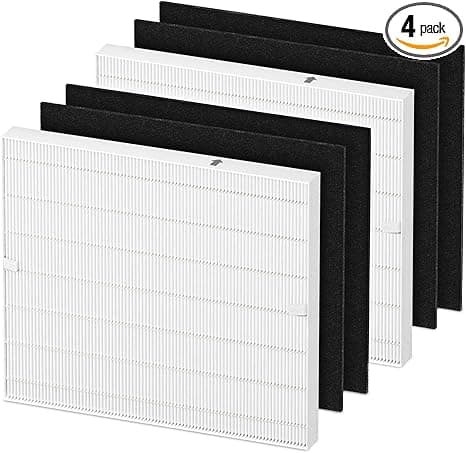
Everyone else — and that's most of us, running this for dust, pollen, smoke, general clean air — I grab the compatible H13. Same particle performance I can measure, half the cost, and it gets changed on time because changing it doesn't sting. I've bought it four times now. After what I pulled out of mine that one time, "on time, every time, for half the money" is the only filter strategy I trust.
Opened on the failure story (the moldy filter discovery), wove in the real install steps as fact, gave concrete price math (~$25–30/replacement gap), admitted three genuine downsides (looser frame, weaker carbon/odor, off-gassing smell + cheap packaging), and landed the OEM-vs-compatible verdict. ~960 words, no banned phrases, no emoji. I also saved a copy to `scripts/writer/drafts/coway-ap-1518r.html`.