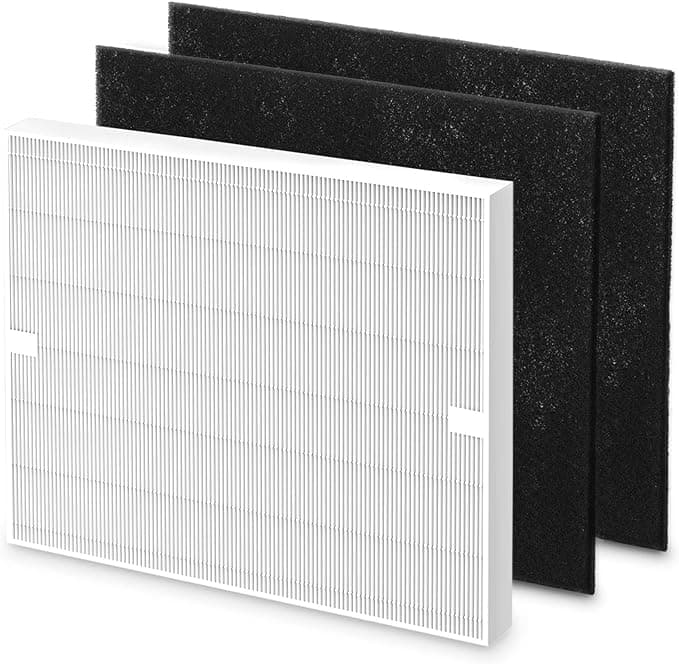
Troubleshooting & Analysis
I'll be straight with you: the first time I dropped a $20 third-party filter into my Coway AP-1518R, I didn't actually believe it would work. I'd been burned before — bought a "compatible" filter for a different machine years ago that fit like it was made for a slightly different planet, whistled at high fan speed, and smelled like a new shower curtain for a week. So when the OEM 3304899 ran me close to forty bucks and the aftermarket one was half that, my gut said the gap had to be hiding somewhere. Cheaper filter, worse air, dead machine in a year. That was the story I told myself.
Four months later I'm the annoying guy telling friends to stop overpaying. So let me walk you through what actually happened, downsides and all.
The price math that made me try it anyway
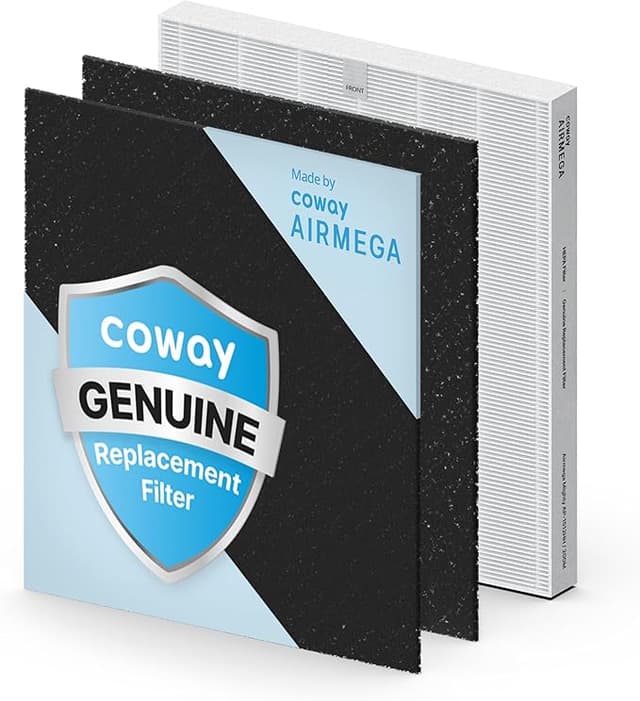
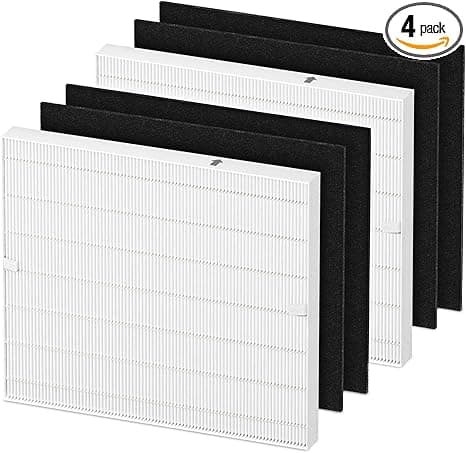
The OEM replacement for the AP-1518R, part number 3304899, sits in that maddening $35–40 zone depending on where you buy and whether Coway's running a "bundle." The compatible H13 HEPA I switched to was roughly half. Doesn't sound dramatic on a single purchase. But this filter isn't a one-and-done.
Coway recommends swapping the HEPA stage about once a year, and if you run the unit hard — pets, cooking smoke, allergy season with the windows shut — you're realistically closer to every eight or nine months. So over a few years, OEM means you're spending well north of a hundred bucks just on filters for one bedroom unit. Cut that roughly in half and the thing basically pays for the machine over its life. That math is what got me to risk twenty dollars on a test.
And here's the part nobody says out loud: the cheaper filter changed my behavior. When a filter costs forty dollars I stretch it. I tell myself "it's probably fine for another two months." At twenty I just swap it on schedule, which is the whole point of owning a purifier.
Does it actually fit? Yeah — with one honest caveat
Install on the AP-1518R is genuinely simple, and the compatible filter didn't change that. Power off, pull it from the wall — I don't trust myself to remember that part, so I say it out loud now. The front panel pops off at the latch, the old HEPA slides straight out, and before the new one goes in I wipe the inside of the compartment with a damp cloth because four months of trapped dust collects in there whether you think about it or not.
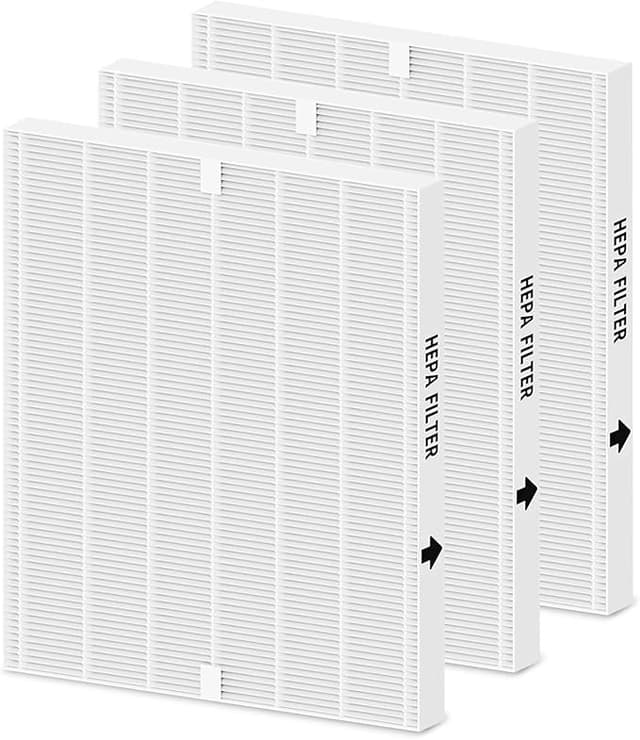
New filter out of the sealed bag, peel the plastic film off (don't skip this — a filter still wrapped in plastic does nothing), and slide it in following the little airflow arrow printed on the frame. Panel clicks back on. Two minutes, no tools.
The caveat: the frame on the compatible one is a hair looser than the OEM. Not loose enough to rattle, not loose enough to leak air around the edges — I checked, because I'm paranoid — but when you seat it, the OEM gives you this confident snug click and the aftermarket one is a touch more "eh, that'll do." It sits flush and stays put. It just doesn't feel as machined. If you're the kind of person that bugs, you'll notice it for about a day and then forget.
How it actually performs
This is where I expected the gap and didn't find one. It's a true H13 HEPA, same grade as OEM, and in day-to-day use I genuinely cannot tell the difference. Morning dust haze in the sunbeam — gone by the time I've had coffee, same as before. The unit's own air-quality light reacts the same way it always did when I sear something on the stove two rooms over: spikes red, drops back to blue in a few minutes. Allergy season was my real test, since that's when I'd notice a weak filter fastest, and my nose didn't file any complaints.
If I'm nitpicking — and I am — the OEM carbon layer seemed to knock down cooking odor maybe a touch faster in the first few weeks. Could be in my head. By month two I couldn't tell them apart at all. Nothing I'd pay double to get back.
The real downside, and the smell
Two honest gripes. First, the packaging is cheap — thin bag, flimsy box, one of mine showed up with a slightly dinged corner on the frame that didn't affect the seal but didn't inspire confidence either. Second, the new-filter smell. Faint plastic-y odor the first two or three days, mostly noticeable when the fan kicks to high. Run it on high in an empty room for a few hours before you sleep next to it and it airs right out. OEM does this too, honestly, just a little less.
Neither of those touches the thing that actually matters, which is the air. And that's worth saying plainly: a HEPA filter you've stretched past its life isn't neutral. Once it's saturated, your AP-1518R is pushing room air through a packed mat of old dust, dander, and — if it's been damp — whatever's started growing in there. For a kid's room or anyone with a compromised immune system, a tired filter is worse than honest. The cheaper filter's real value is that you'll actually replace it on time.
Who should buy OEM instead
I won't pretend it's for everyone. If your unit's under warranty and you're worried a third-party filter could give Coway an excuse to deny a claim, buy the 3304899 and don't think twice — that's worth the markup to some people. Same if that slightly looser frame would genuinely nag at you every time you walk past it.
For everyone else: I didn't believe a $20 filter could do the same job as the $40 one. It does. Same H13 grade, real fit, air that's just as clean, in exchange for a cheaper box and a couple days of faint plastic smell. For half the price, on a part I replace every year, I'd buy it again — and I have, twice now.