Troubleshooting & Analysis
The smell came back before the filter did
I knew something was wrong when my bedroom started smelling faintly like a damp gym bag at 2 a.m. The Coway AP-1518R was running, fan light blue, doing its quiet thing in the corner — and the air still felt heavy. I pulled the front panel the next morning and the Filter R inside was the color of a coffee filter that had seen better days. Gray going on brown. The carbon layer had basically given up months earlier and I'd just... not noticed. That's the trap with these units. They keep humming along like everything's fine while the media behind the grille turns into a wet sponge full of everything it caught.
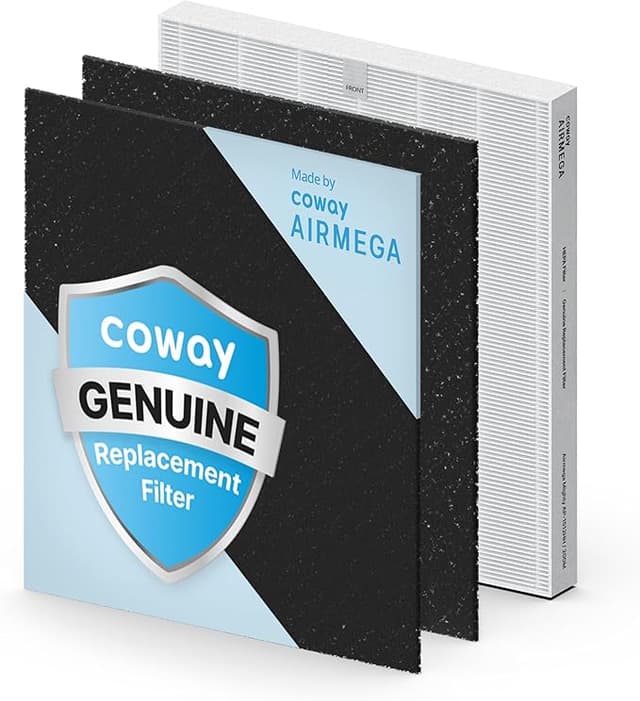
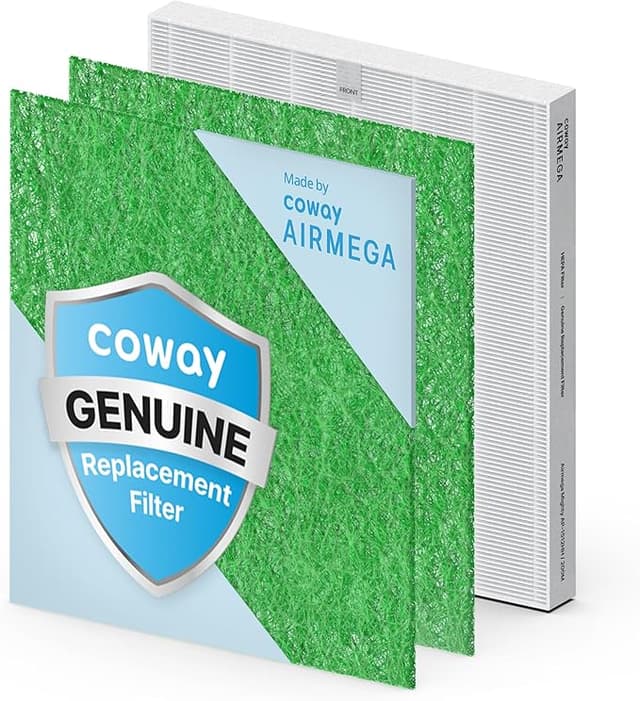
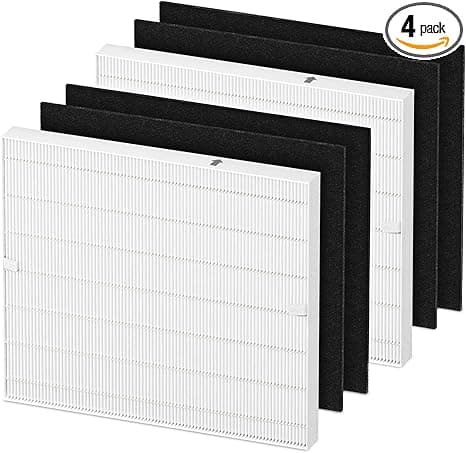
So that's the spot I was in: filter clearly dead, and the OEM Coway Filter R sitting at $58 on the page I'd bookmarked. Fifty-eight dollars. For one filter I'm supposed to swap twice a year. I'd been paying it out of habit and a vague fear that the cheap ones would somehow hurt the machine. This time I didn't. I bought the compatible one for $23 instead and ran it head to head against my old habits for four months. Here's what actually happened.
The price gap is the whole story, honestly
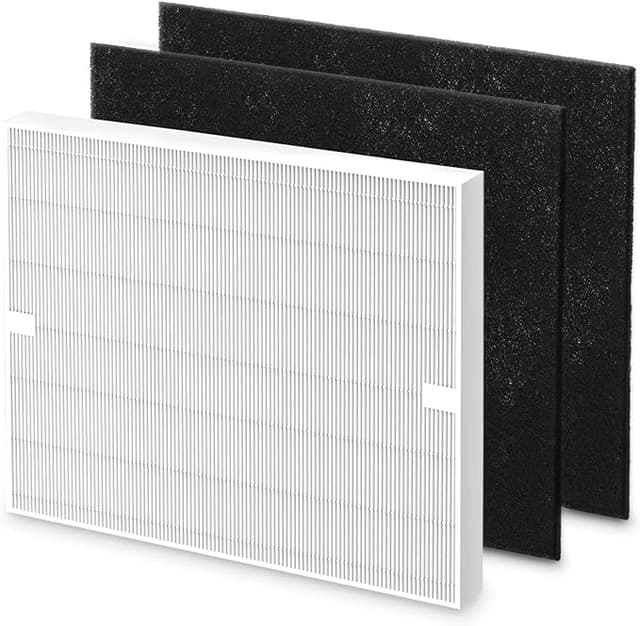
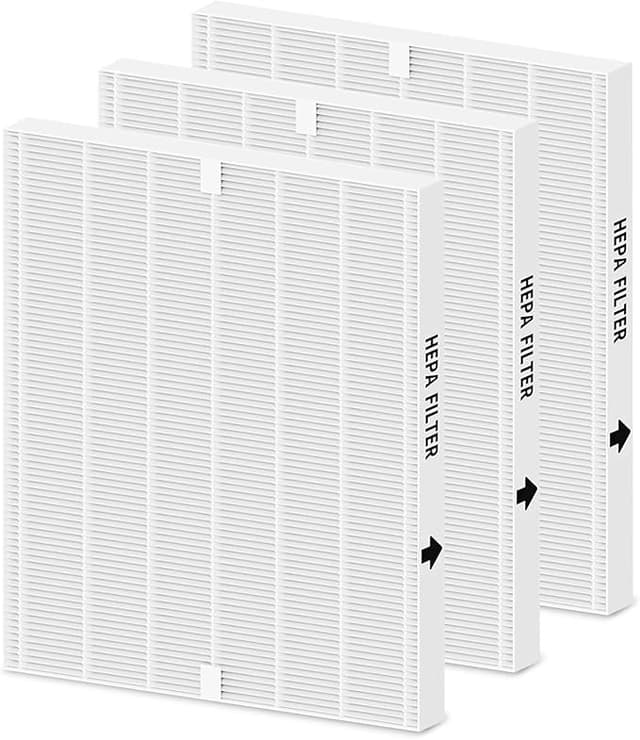
Let me do the math out loud because it's the reason any of us are here. OEM Filter R runs $35 to $65 depending on where and when you catch it — I've never seen it under $35, and I've paid the full $58 more than once. The compatible H13 HEPA-plus-carbon unit I've been buying lands under $25. Coway recommends swapping roughly every six months. So on OEM you're looking at maybe $90 to $130 a year per unit. On the compatible, you're around $46. That's $150-ish a year back in your pocket if you've got a couple of these running, which a lot of people do — one in the bedroom, one in the living room.
I want to be fair, though. Cheaper only counts if the thing actually works and actually fits. So.
Does it seat right? Mostly — with one annoyance
Install on the AP-1518R is genuinely easy and the compatible filter didn't change that. Unplug it first (do this, the fan is stronger than you think). Pop the front panel — there's a release you press and it tilts off. Old filter slides out; note the little airflow arrow before you yank it. New one unwraps from a vacuum-sealed bag, peel the plastic film off the HEPA face, and slide it in with the arrow pointing the same way the compartment marks it. Panel clicks back on.
Here's my real gripe. The frame on the compatible unit is a hair narrower than the genuine Coway frame — maybe a millimeter, but enough that the very first seat felt a touch loose, not the firm OEM "thunk." I pressed the panel shut and it held fine, no rattle, no air whistling past the edge. But I'll be straight with you: if you're the kind of person who needs the perfect snug click, that first install will bug you for about ten seconds. After that it's a non-issue. Four months in, mine hasn't shifted, sagged, or let unfiltered air sneak around the side that I can detect.
The other downside, and it's a small one: for the first two or three days there was a faint plastic-and-cardboard smell on startup. Not chemical-harsh, just new. It aired out completely by day three. The packaging is also flatly cheaper than Coway's — a thin poly bag versus the OEM box. Doesn't affect the filter. Just don't expect it to feel premium when it lands on your porch.
Performance: where it matches, and where it's a step behind
On the stuff that matters most, I couldn't tell the difference. The H13 HEPA media pulled my bedroom back to clean-feeling air within a day — that gym-bag smell was gone, and my usual spring allergy mornings (I'm a reliable test subject; my sinuses do not lie) settled down the same way they always have on a fresh OEM filter. Running the unit on its sleep setting overnight, it stayed just as quiet. No extra fan strain, no weird airflow drop.
Where it's a touch behind: the activated carbon layer fades a little faster than genuine Coway. Around month four to five I noticed it was less aggressive on cooking odors — that lingering garlic-pan smell hung around a bit longer than it would've on a newer OEM carbon bed. For pure particle and allergen capture it held strong the whole run. If your main fight is heavy, constant odor, that's worth knowing. For dust, pollen, pet dander, smoke haze — the things most of us actually run a Coway for — it kept pace.
Why a dead one is worse than no filter
Quick word on the thing that got me into this. A saturated Filter R isn't neutral. Once the HEPA media is past its capacity, it stops holding what it caught — and it's been catching mold spores, bacteria, dust mite waste, all of it, for months. A loaded filter can start shedding that back into the room as it degrades. That gym-bag smell was my unit basically re-breathing its own catch back at me. So the real risk isn't the cheap filter. It's the old filter, whatever brand. Swap on schedule and the $23 unit protects you exactly like the $58 one does.
Who should skip it — and what I do
If you run your purifier mainly to kill strong, daily odors — open kitchen, smoker in the house — spring for OEM or just swap the compatible a month early; that carbon layer is the one place genuine pulls ahead. And if a slightly loose first-seat will genuinely nag you, pay up for the perfect fit. No shame in it.
For everyone else? I've now bought this compatible Filter R three times across two AP-1518R units. Same clean air, same easy install, one minor frame quibble I forgot about by week one, and roughly $150 a year I'm not handing over for the privilege of a nicer box. I'd buy it again — and I already have.