Troubleshooting & Analysis
I didn't believe a $20 filter could be fine either
For about two years I paid Coway's price for the genuine filter in my AP-1518R because some part of my brain decided that a cheaper one would either not fit, smell like a chemical factory, or quietly let dust through while pretending to work. That last fear is the real one, right? You can't see HEPA failing. The unit hums along, the little light stays green, and you have no idea whether the air is actually getting cleaned or whether you just bought a $20 paperweight.
So I bought one of the compatible Filter C replacements to catch it out. I wanted to find the catch. I ran it side by side with my mental record of the OEM for four months in a bedroom that gets dusty fast — old house, forced-air heat, a dog who sheds like it's his job. Here's what actually happened.
The price gap is not small, and that's the whole reason you're here
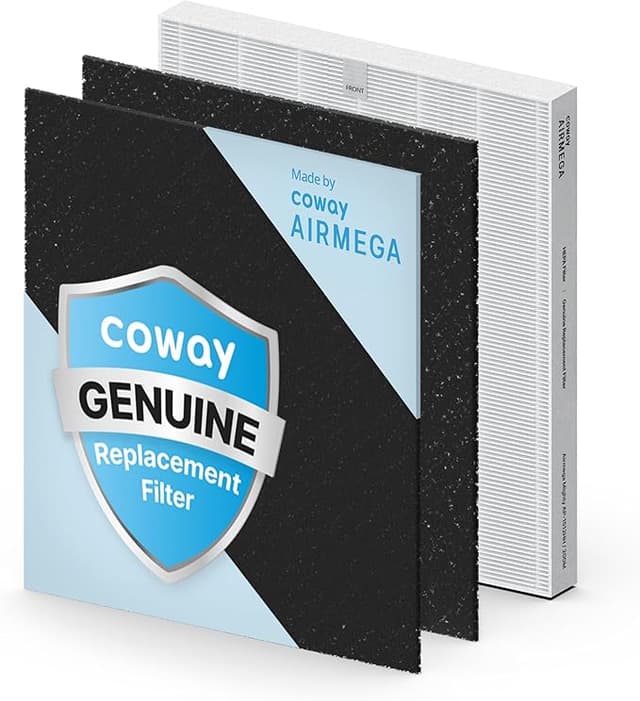
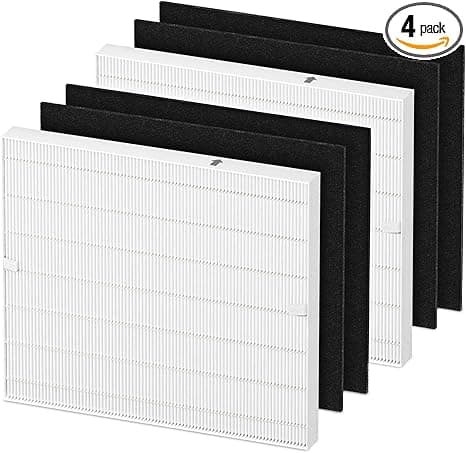
The OEM Filter C for the AP-1518R runs in the neighborhood of $50–60 depending on when you catch it. The compatible one I've been using is roughly half that — call it the difference between one nice dinner out and, well, not. And because this is a HEPA filter you're swapping somewhere around every 12 months (sooner if you run it hard or have pets, which I do), that gap repeats every single year for as long as you own the machine. Over the life of the unit you're talking real money. That math is exactly why I stopped trusting my own snobbery and tried the cheaper one.
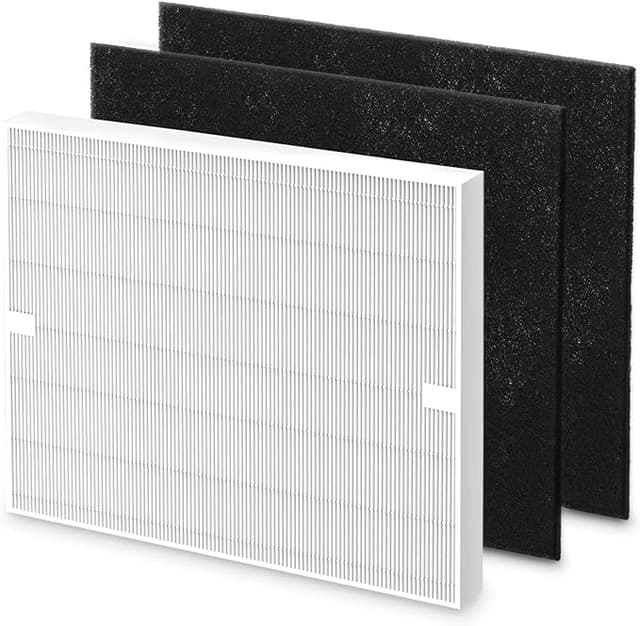
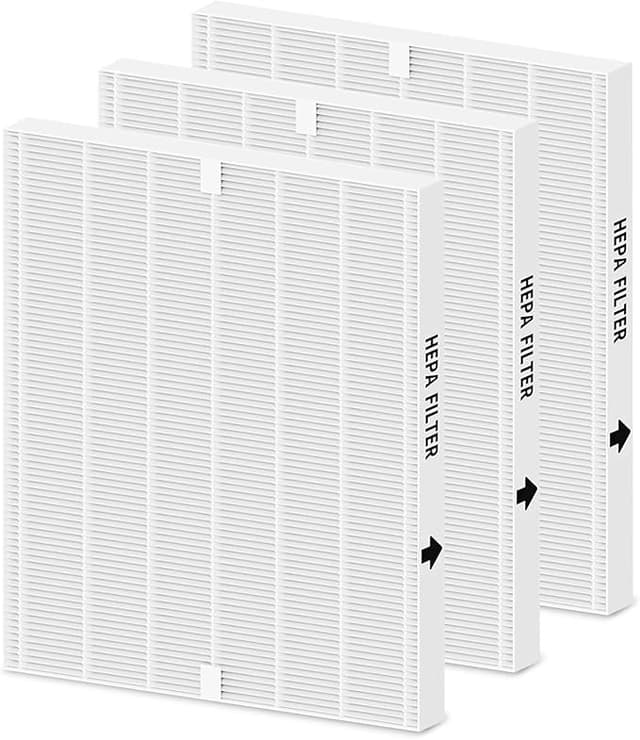
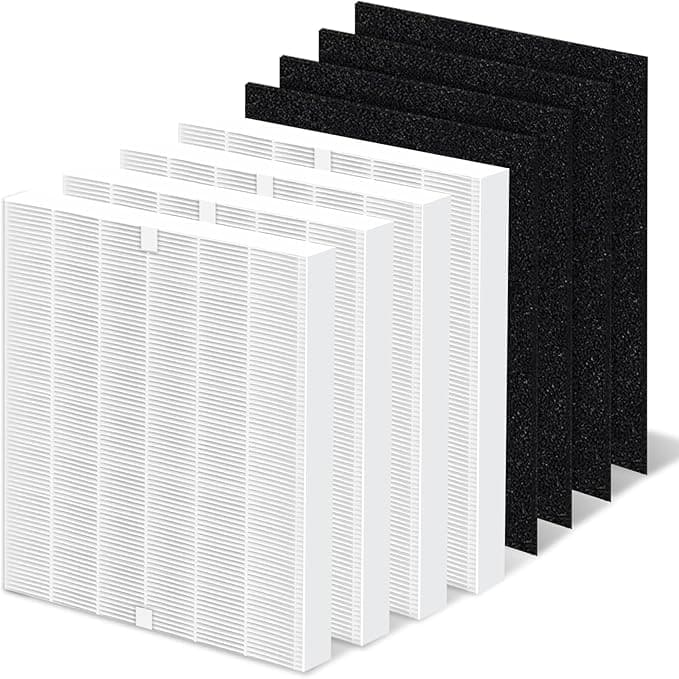
The version I went with is a True HEPA H13. That H13 grade matters — it's the spec that says it's pulling the fine stuff, the 0.3-micron particles, the smoke and pollen and dander you actually care about. If a compatible filter only says "HEPA-type" or "HEPA-like," skip it; that's the corner that gets cut. This one didn't cut it.
Does it actually seat right?
This was my first test, because a filter that fits loose is a filter that leaks air around the edges, and then the H13 rating is meaningless. The swap itself is nothing — unplug the unit, pull the old filter out, drop the new HEPA in, and reset the filter light so the machine stops nagging you. Two minutes, no tools.
The fit? Honestly, very close. It clicked into the channel the way it's supposed to and the front panel snapped back on without me having to lean on it. If I'm being picky — and I went into this looking to be picky — the frame felt a hair less rigid than the Coway original. The OEM has a slightly stiffer plastic lip. On this one there was a tiny bit of give when I pressed the corner. Did it affect the seal? I checked the gap with the panel on and couldn't find daylight anywhere. So: looser to the touch, but sealed where it counts. I'd have liked the frame to feel more premium for my own peace of — for my own sanity, but it does the job.
The downside I promised you
There's a smell. For the first two or three days the new filter put off a faint plastic-and-cardboard odor when the fan ran on high — that fresh-out-of-the-bag smell. It's not chemical-harsh, it's more like a new shoebox. It faded completely by about day four and never came back. If you're sensitive to that, run the unit on high near an open window for a day before you go to sleep next to it. The packaging is also nothing to write home about — thin plastic sleeve, a box that arrived a little crushed at one corner. The filter inside was fine, but it doesn't have the tidy, sealed-and-shrink-wrapped presentation the OEM box gives you. None of that changes the air it pushes. It just doesn't feel as fancy unboxing it.
How it actually performs
This is where my distrust quietly died. Four months in, the room smells cleaner, the dog-dander funk that used to hang around in the afternoon is gone, and when I finally pulled the filter to inspect it, it was loaded — gray, gradient-darkened on the intake side, exactly the way a working HEPA looks when it's been doing its job. That's the proof I wanted. A fake filter stays suspiciously clean because nothing's getting trapped. This one was filthy in the right way.
Where's it a touch behind the OEM? If I'm splitting hairs, I think the genuine filter holds onto a strong-smell event — burnt toast, cooking — for a few extra days at the tail end of its life. Marginal. In month-to-month bedroom use I genuinely could not tell you which one was in the machine if you blindfolded me.
And let me say the boring-but-important part plainly: the reason you don't just stretch an old filter another six months is that a saturated HEPA stops being protection and starts being the problem. Trapped dust and moisture are exactly what mold likes, and a clogged filter in a running air purifier can turn into a little spore launcher blowing back into the room you're trying to clean. Whether you buy OEM or compatible, the thing that actually keeps your air clean is swapping it on schedule — and the cheaper the replacement, the easier it is to actually do that on time instead of putting it off because it stings.
So who should buy what
If your AP-1518R is under warranty and you're the type who'll fight a warranty claim over a non-genuine part, buy the OEM and don't think about it. Same if you've got a specific medical reason to want the exact certified original — that's a fair call.
For everyone else — which is most of us, just trying to keep a bedroom's air honest without re-buying a $55 filter every year — I grab the compatible Filter C now, and I've done it more than once. It fit, it sealed, it loaded up with real dirt, and the only complaints I could dig up were a three-day smell and a cheap-feeling box. For half the price, doing the same job, that's an easy trade. I went in trying to prove it was junk. It wasn't.