Troubleshooting & Analysis
The first thing I noticed was the click
You know how the OEM Coway filter seats with this confident little snap? I was bracing for the compatible one to feel mushy — wrong size, loose, the kind of thing that rattles. It didn't. Slid in, gave me that same small click when the front panel pressed it home, and the unit fired right back up. I stood there for a second almost annoyed that it just… worked.
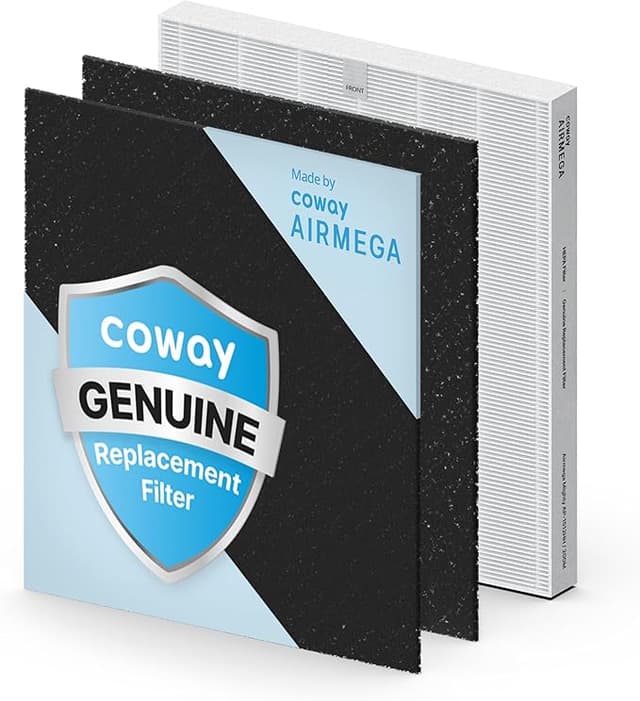
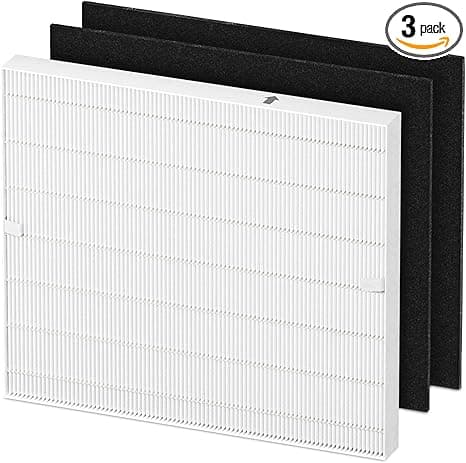
This is the Filter R replacement for the Coway AP-1518R, the bedroom-size purifier a lot of us bought years ago and never stopped running. I've had mine going nightly for about three years. I've now put two of these compatible filters through it, and I want to tell you what's actually different from the genuine Coway cartridge — because there are differences, just not the ones I was scared of.
The price is the whole reason you're here
Let's not pretend otherwise. A genuine Coway filter set for this model runs me somewhere north of $40, sometimes pushing $50 depending on where and when I buy. The compatible Filter R I'm using sits right around half that. On a unit you're supposed to re-filter roughly once a year — sooner if you've got pets or you run it on high through allergy season — that gap adds up fast.
Do the actual math on it. Two OEM replacements over two years and I'm out the better part of a hundred bucks just on filters for one small bedroom machine. Switch to the compatible and that's cut roughly in half. For a part that I'm going to throw in a trash bag in twelve months anyway, paying the premium started to feel a little silly once I'd confirmed the cheap one breathes right.
Does it actually fit, or is "compatible" doing heavy lifting?
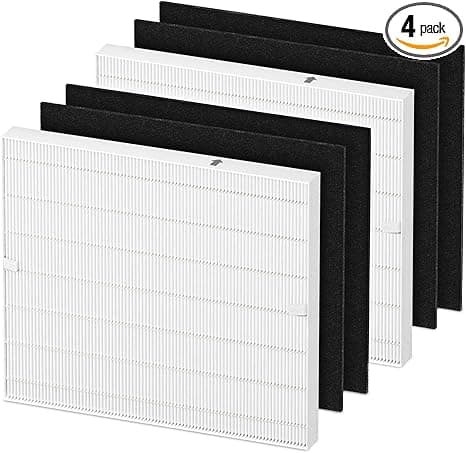
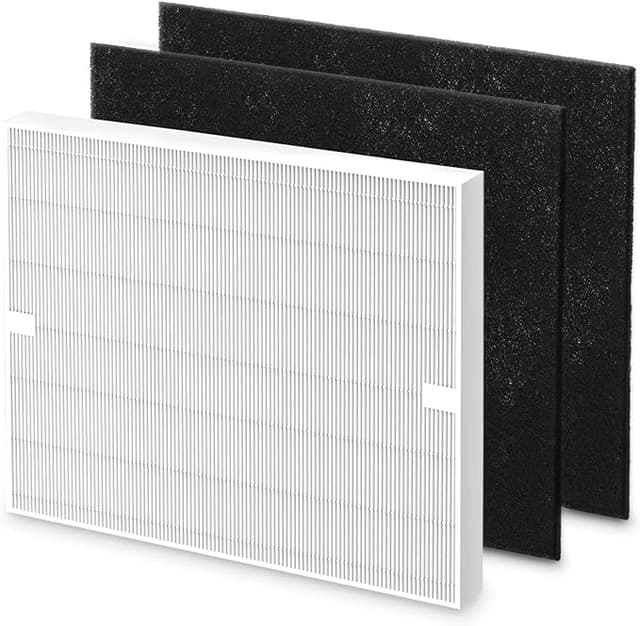
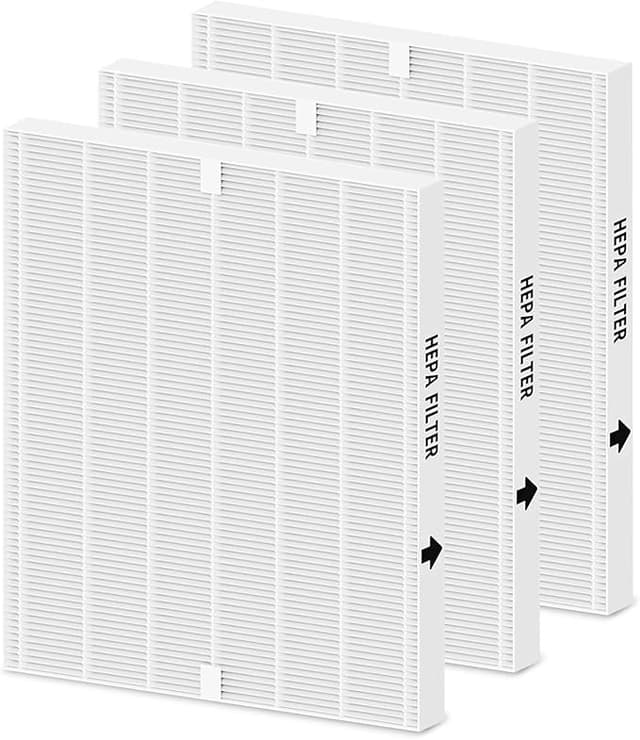
Here's the part people get burned on with aftermarket filters — the fit. So I'll be specific. The H13 True HEPA layer on this one is the same physical footprint as the Coway cartridge. The pleats line up, the carbon pre-filter side faces the right way, and the panel closed without me having to lean on it. Swapping it is genuinely a two-minute job: unplug the unit first, pop the front cover, pull the spent filter, drop the new one in the same orientation, snap the cover back, and hold the reset until the filter light quits nagging you. That's it.
One honest note on fit, though. The frame on the compatible is a hair — and I mean a hair — looser in the channel than the OEM. The genuine Coway grips like it was molded for that exact slot, which it was. The compatible one has maybe a millimeter of give before the panel locks it down. Once the cover's on, it's pinned and doesn't shift. But if you're the type who notices that kind of thing, you'll notice it for about four seconds during install and then never again.
How it actually performs
This is what I cared about most, and it's where the compatible held up better than I expected. On dusty days — I'm near a road, the windowsills tell the truth — the air quality light cycles down to blue just as quick as it did on the genuine filter. Cooking smells, the dog, that stale closed-room thing in the morning: gone on the same timeline I was used to. The H13 rating here is doing real work; H13 captures finer particles than the standard H11-ish media you find in a lot of bargain filters, so this isn't a step down in grade. It's the same job at a lower price.
Where's it a touch behind? The activated carbon layer. The OEM seems to hold onto odors a little longer into the filter's life. With the compatible, I felt like the smell-killing started to fade maybe a few weeks earlier toward the end of the cycle — still fine, just not quite as long-legged. If your main reason for running this thing is heavy odor control rather than dust and allergens, that's worth knowing.
The real downside, no sugarcoating
The break-in smell. First two, maybe three days, there's a faint plastic-and-cardboard scent coming off the new filter when the fan's on high. It's not chemical-harsh, it's more "new packaging" — and honestly the OEM does a milder version of this too — but the compatible's is a little stronger out of the wrapper. I run the unit on high with the bedroom door open for the first day and it's basically gone by day three. The packaging itself is also cheap. Thin plastic sleeve, no fancy box. Doesn't affect the filter, but you can tell where they saved money.
And the thing nobody wants to hear: do not stretch a filter past its life to save more. A saturated HEPA filter in the AP-1518R stops being a cleaner and starts being a problem — trapped junk and moisture can let mold establish in the media, and then your purifier is quietly blowing that back into the room. Cheap filter, replaced on schedule, beats an expensive filter you nursed for two years. That's the actual safe play.
So who should buy what
If you've got a warranty situation where Coway might give you grief over non-genuine parts, or your number-one job is maximum odor control deep into the filter's life, buy the OEM and don't think twice. That carbon longevity is real.
For everybody else with an AP-1518R — which is most of us, running it in a bedroom or a small living room for everyday dust, dander, and allergens — I grab the compatible Filter R. Same H13 capture, fits and seats right, install takes two minutes, and it costs about half. I've bought it twice now, on purpose, with the genuine one sitting right there as an option. That's the most honest endorsement I can give: I had the choice and I picked this one again.