Troubleshooting & Analysis
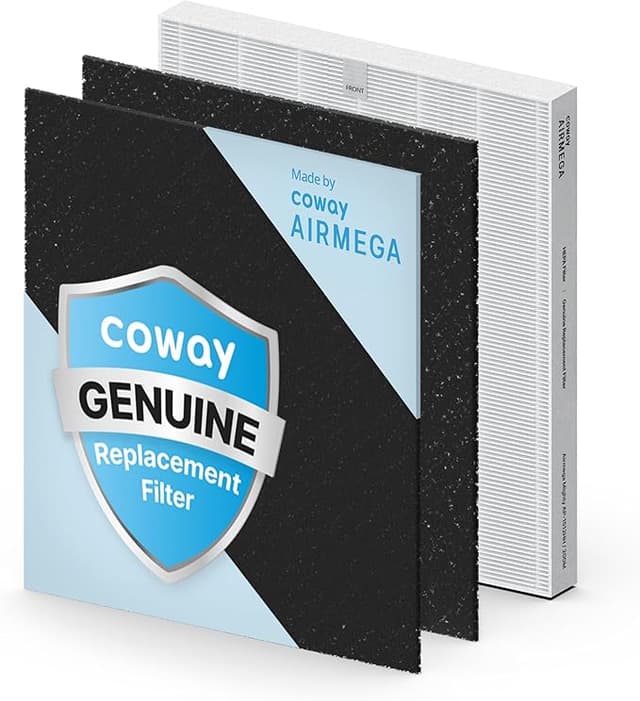
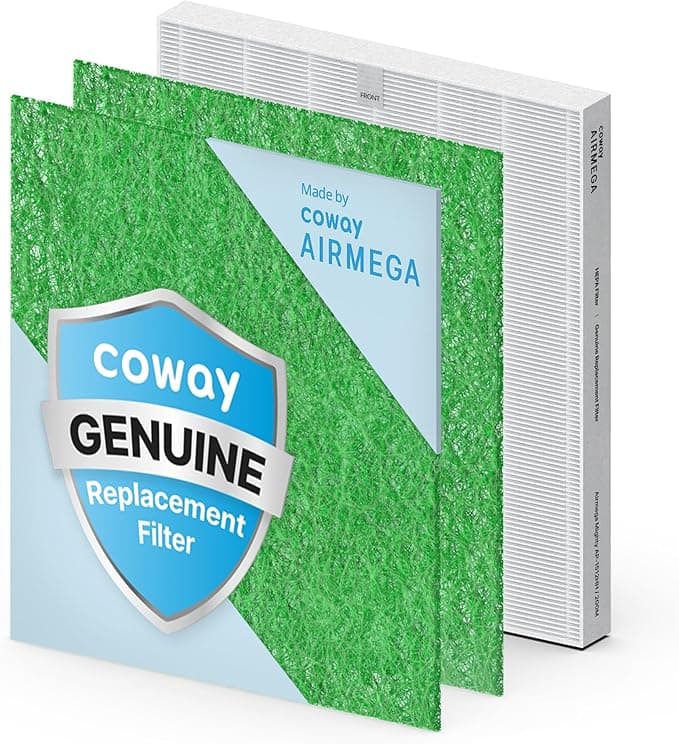
Sixty-five dollars. That's what Coway wanted for a single replacement Filter R set the last time I priced it for my AIRMEGA AP-1512HH — the genuine HEPA-and-carbon combo, the one with the little hologram sticker. And the AP-1512HH eats one of those about once a year if you actually run it. So that's $65 a year, every year, for a machine I paid maybe $180 for. After three years I'd have spent more on filters than on the purifier itself. That math is what sent me looking for a compatible Filter R in the first place. I expected to get burned.
The number that started this
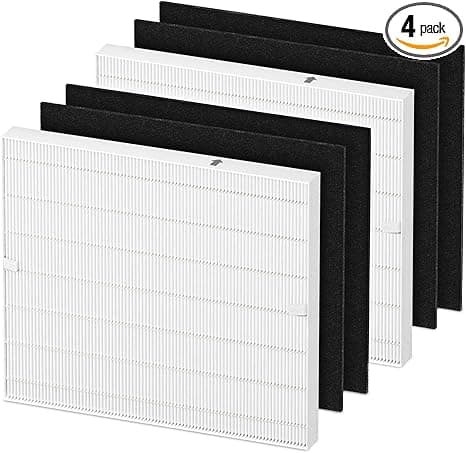
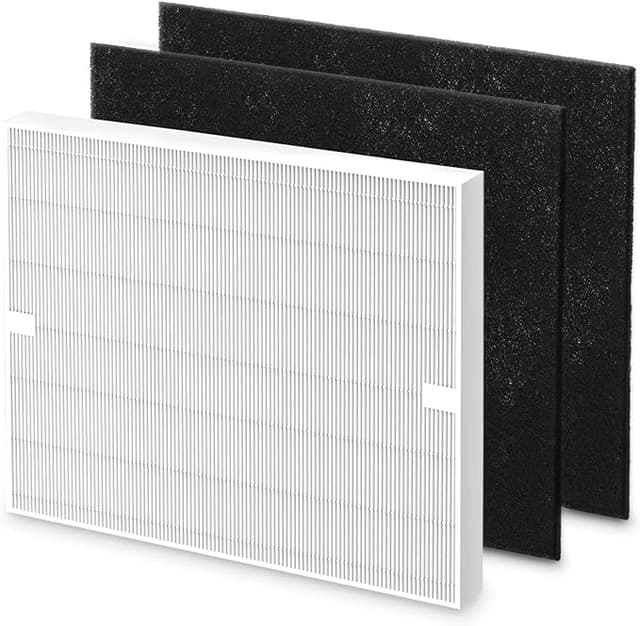
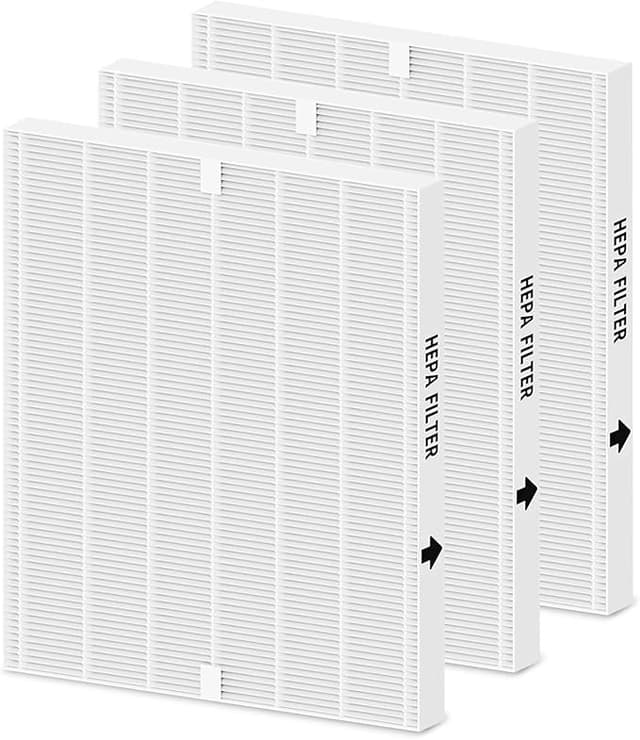
The compatible set I landed on runs about half — call it thirty bucks against the OEM's sixty-five. Same job: a True HEPA layer rated H13 plus an activated carbon pre-filter, sized to drop into the same tray. On paper it's a no-brainer. On paper everything is a no-brainer. The question that actually kept me up was whether the cheap one would either not fit, or fit and quietly do nothing — which is worse, because then you're breathing easy while breathing dirty.
So I bought one. Ran it. Here's what four-plus months in my bedroom unit actually told me.
Does it seat right?
This was my first worry, because the AP-1512HH's front panel pops off and the carbon pre-filter clips around the HEPA in a specific way — get it wrong and the cover won't close. The compatible Filter R went in fine. I unplugged the unit first (do this, the fan blade is right there), pulled the spent filter, and dropped the new HEPA in. The carbon wrap clipped on the same as OEM. Cover snapped shut with that little click you're listening for.
Honest note: the plastic frame on the compatible HEPA is a hair looser than Coway's. Not rattling-loose, but if you wiggle it you feel a touch more play than the OEM had. It still sits flush against the gasket and the panel holds it firm, so it's not leaking air around the edges. But I noticed. If you're the kind of person who notices that sort of thing, you'll notice it too.
One more thing — after I closed it up I held the filter-reset button to clear the indicator light. The unit doesn't know whose filter is inside; it's just a timer. Reset it or it'll nag you in a month for no reason.
The first three days smell faintly of plastic
I'll say this plainly because nobody else seems to: the compatible Filter R had a faint new-plastic smell for the first two, maybe three days. Not chemical, not headache-inducing — more like the inside of a new appliance box. I ran the unit on high the first evening with a window cracked and by day three it was gone and hasn't come back. The OEM does this a little too, to be fair, just less. If you're sensitive to smells, break it in for an evening before you sleep next to it.
How it actually performs
This is where I expected the gap and mostly didn't find one. I cook a lot, and the AP-1512HH on auto used to spike to red (its air-quality light) when I seared anything, then settle back to blue in ten or fifteen minutes. With the compatible filter in? Same behavior. Spikes red, the fan ramps up on its own, clears back to blue on roughly the same timeline. The HEPA layer is grabbing the fine stuff — that's the part I care about most, and it's doing it.
The one place I'd give OEM a slight edge is the carbon. Coway's carbon layer seemed to knock down cooking odors and that lingering "someone fried fish" smell a touch faster. The compatible carbon works, but I'd call it maybe eighty, eighty-five percent as quick on smells specifically. Particulates, no difference I could measure with my cheap handheld meter. Odors, a small step behind. For a bedroom that's a non-issue. For a kitchen-adjacent open space, it's a real-but-minor trade.
The downsides, said out loud
The packaging is cheap — a thin plastic sleeve, no fancy box, and mine arrived with one slightly crushed corner on the carbon wrap that didn't affect function but didn't inspire confidence on unboxing. The looser frame I mentioned. The slightly slower odor knockdown. And there's no hologram sticker, no brand reassurance — you're trusting a spec, not a logo. If that bothers you, it's a real cost even if it's not a performance one.
Why you can't just skip this
Whichever one you buy, change it on schedule. A loaded HEPA in an AP-1512HH doesn't just stop helping — it becomes the problem. Trapped organic gunk and moisture are exactly what mold likes, and a saturated filter sitting in a warm fan housing can start pushing what it caught back into the room. The reason a $30 filter beats a $65 filter you stretch to eighteen months is simple: the cheap one you'll actually replace on time. Cost is the thing that makes people skip the swap. Lower the cost, you stop skipping.
So — OEM or this?
Buy the genuine Coway Filter R if you're running this in a heavy-odor space — open kitchen, smoker in the house, pets plus cooking — and that last fifteen percent of carbon performance matters to you, or if a no-name part in your bedroom air will genuinely nag at you. That peace is worth $35 to some people. No judgment.
For everyone else — and that's most of us, running this in a bedroom, an office, a nursery — I grab the compatible Filter R. It fits, it clears particulates like the original, it costs half, and that's the difference between changing it on time and letting it rot. I'm on my second one now. Look, for thirty bucks doing the same work, I'd buy it again. I have.