Troubleshooting & Analysis
The smell came back before the light did
I knew something was off when my bedroom started smelling like a wet basement at 2 a.m. Not strong. Just there. My Coway AP-1512HHS was humming away like always, blue ring, fan on auto — and the filter light hadn't even turned red yet. That's the thing nobody tells you: the indicator runs on a timer, not on what's actually happening inside the unit. I pulled the front panel and the HEPA was gray-brown and faintly damp at the bottom edge. It had been quietly choking for weeks. Probably re-releasing some of what it caught.
That filter was the last real OEM one I owned. And replacing it is exactly the moment most AP-1512HHS owners freeze up, because Coway wants real money for the genuine set.
The price that pushed me to try the cheap one
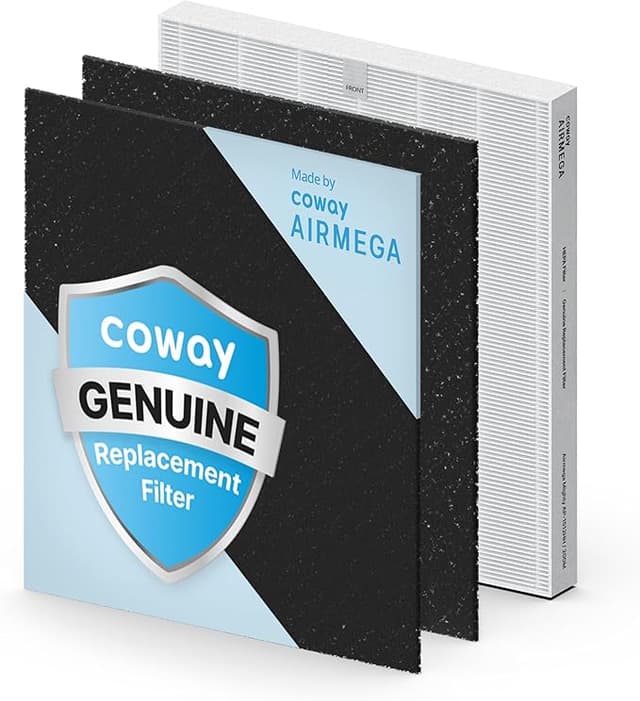
Here's the math that made me angry enough to experiment. A genuine Coway replacement set — the carbon pre-filter plus the True HEPA — runs me right around $55 each time I've bought it, sometimes $59 depending on where. Coway officially recommends swapping the HEPA roughly once a year if you run it daily, which I do. So that's $55-ish a year, every year, for as long as I own the machine. Over the four years I've had this unit, that's pushing $220 just in filters on a purifier that cost about $230 new.
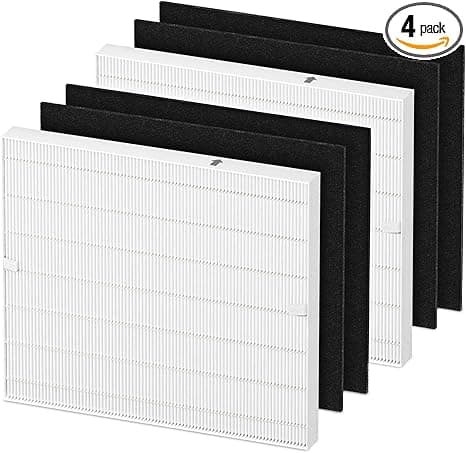
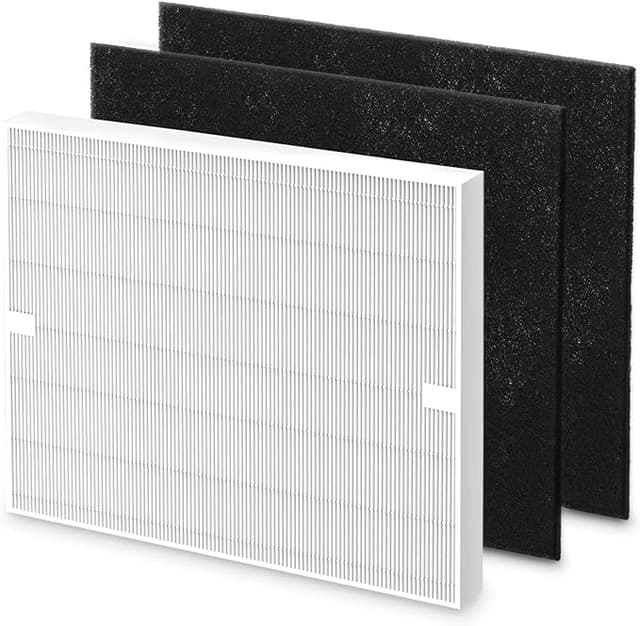
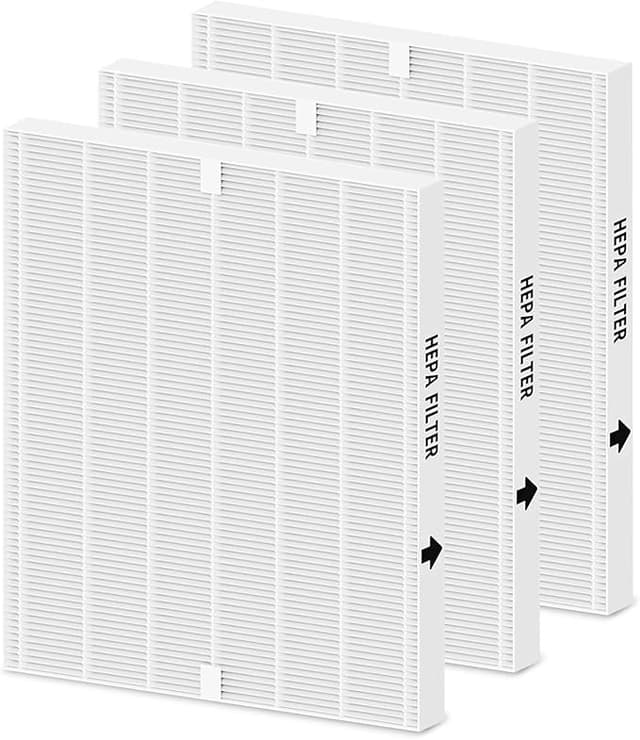
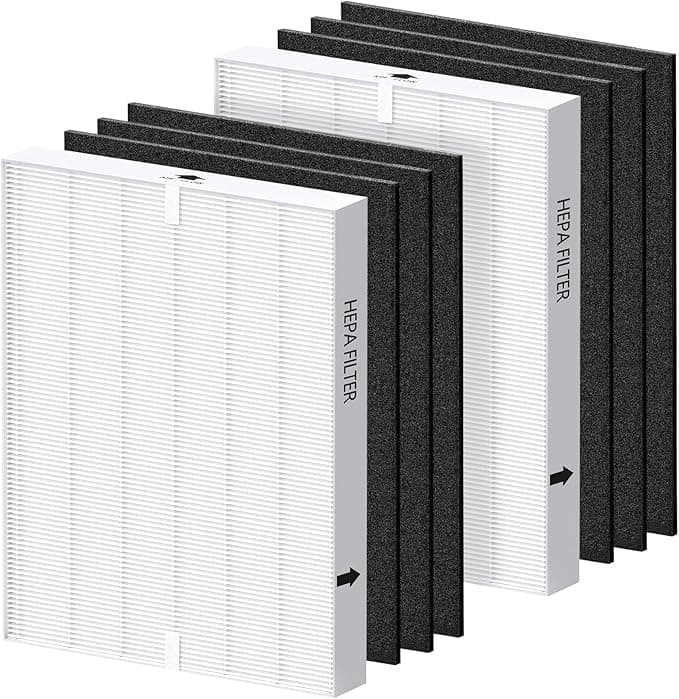
The compatible Filter R replacement I switched to was $27. Same True HEPA H13 rating — and H13 is the grade that actually matters here, it's the one that pulls down to the 0.3-micron range where smoke and dander and that mold-spore stuff lives. Half the OEM price for the part doing the identical job. I'll be honest, my first reaction wasn't relief, it was suspicion. Cheap HEPA makes me nervous. A filter that doesn't seal is worse than no filter, because air just sneaks around the gap and you think you're protected when you're not.
So does it actually fit?
The install itself is nothing. Unplug the unit — do this first, I don't care that it's "just a fan," unplug it. Pop the front cover, slide the old filter out, drop the new HEPA in, snap the cover back, then hold the filter-reset button until the light clears. Two minutes, no tools.
The fit, though, is where you can tell it's aftermarket. The genuine Coway filter seats with this confident little resistance, like it was machined for the slot. The Filter R compatible went in a touch looser — there's maybe a millimeter of play side to side before the cover clamps it down. Once the front panel is on and pressed, it holds firm and flush, no rattle, no whistle. But that first slide-in had me press around all four edges with my thumb to make sure nothing was gapping. It wasn't. Just don't expect the OEM "click."
Four months of running it daily
I've had this compatible filter in continuous use since late winter, auto mode, in a roughly 250-square-foot bedroom. Real talk on performance:
- Air-quality sensor response is basically identical. I tested it the dumb-but-honest way — lit a match across the room, watched the particle light jump to red, and timed how fast it dropped back to blue. The compatible filter cleared it in about the same window the OEM did, give or take a few seconds.
- The carbon layer on the cheaper pre-filter is a little thinner. Cooking smells — I fry a lot — clear maybe a hair slower than I remember with the genuine set. Not dramatically. But if you bought this purifier specifically as an odor machine, that's the one spot where you'd notice OEM pulls slightly ahead.
The downside I have to mention
The first three days, there was a plastic-and-cardboard smell off the new filter. Faint, but in a small bedroom you catch it. I ran the unit on high with the window cracked for an afternoon and it burned off by day three and never came back. The OEM filters don't really do this. So if you're sensitive, swap it in the morning, not right before bed. The packaging is also just cheaper — a thin plastic sleeve, a little crushed in shipping. The filter inside was fine; the box just doesn't inspire confidence. Cosmetic, but worth saying.
Why I don't let it ride past the swap date anymore
Going back to that 2 a.m. basement smell — that's the real reason I stopped trusting the indicator light and started swapping on a calendar reminder instead. A saturated HEPA in the AP-1512HHS doesn't just stop working. It becomes a problem. Trapped moisture plus everything it's already caught is a place for mold to settle and multiply, and then your purifier is gently exhaling the exact stuff you bought it to remove. Whatever filter you run, OEM or this one, the swap interval is the part that actually keeps you safe. The brand on the filter matters way less than the fact that it's fresh.
Who should buy OEM — and what I actually grab
If your AP-1512HHS is still under warranty and you're worried about Coway giving you grief over third-party parts, buy the genuine filter and keep the receipt. Same if odor control is your whole reason for owning it — that slightly beefier OEM carbon layer is a legit edge.
For everyone else? After four months, a match test, a lot of frying, and one mild break-in smell, the $27 Filter R compatible does the H13 job my $55 OEM did. The loose fit firmed up under the cover. The performance held. I'm on my second one now, and I'll keep buying them — saving close to thirty bucks a year to breathe the same clean air is the easiest call I've made on this machine. Just respect the swap date. That part's not optional.