Troubleshooting & Analysis
I figured a $20 filter had to be junk
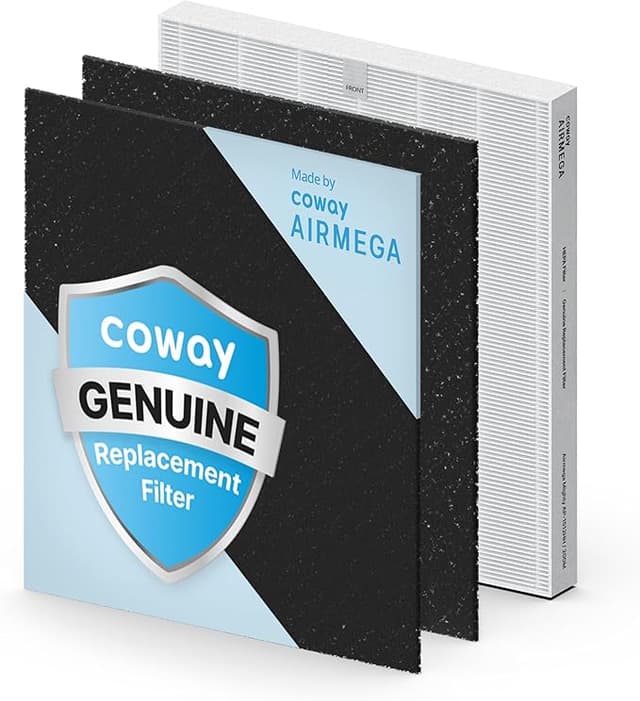
When my Coway AP-1512HH started flashing the filter light last winter, I priced the genuine Coway set first — and then I sat there a little stunned. Sixty-odd bucks. For a HEPA sheet and a carbon mat I'd be throwing out in a year. So I did what you're probably doing right now: I scrolled down to the compatible ones, saw the 3304899 sitting there for under half the price, and assumed it was garbage. Cheap usually means cheap. I'd been burned before on a no-name fridge filter that fit like it was made for a different machine entirely.
So I'll be straight with you. I bought the compatible one mostly to prove myself right — to confirm the OEM markup was buying me something real. Four months in my bedroom unit later, I have to eat that a little.
The price gap is the whole story
Here's the math that matters. Coway wants you to swap this filter roughly once a year if you run the unit daily, which I do — it's on in my bedroom most nights and a good chunk of the day. At OEM prices that's a yearly tax that stings every single time. The 3304899 came in at right around half that. Over the five or six years I plan to keep this purifier running, that difference isn't pocket change — it's the cost of the whole machine again, twice over.
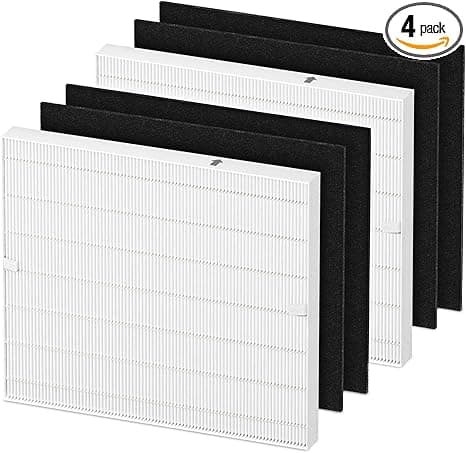
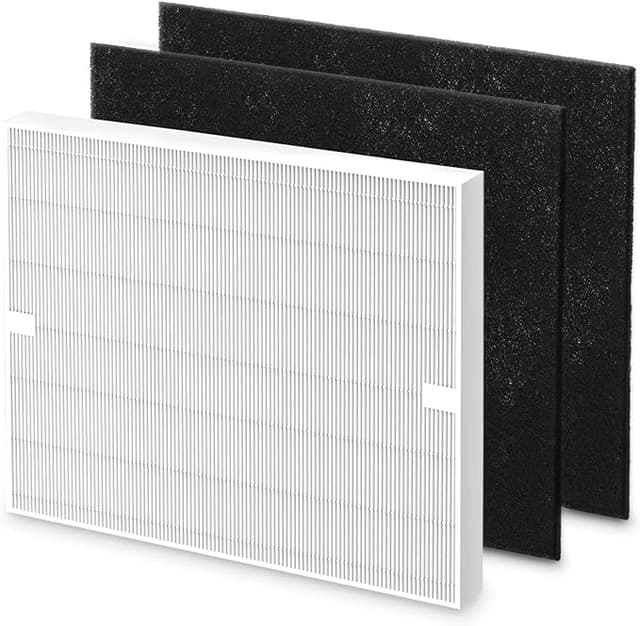
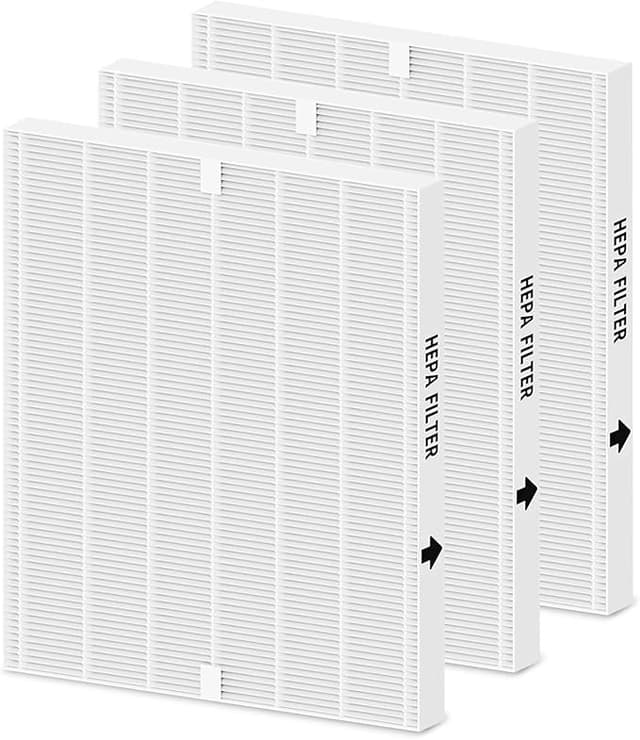
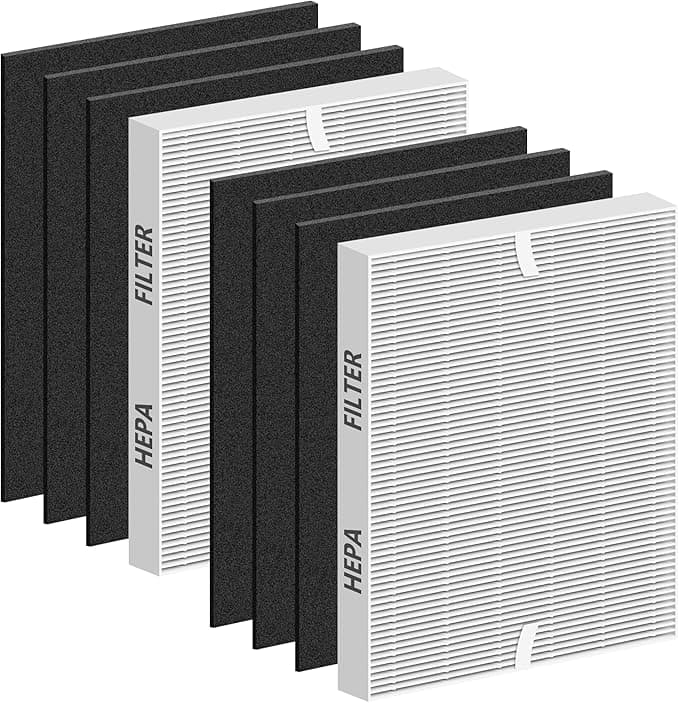
And the filter itself isn't some thin imitation. It's a True HEPA H13 sheet wrapped with an activated-carbon pre-layer, which is the same two-stage setup Coway sells you. H13 is the real grade — the one that actually grabs the fine stuff, the pollen and smoke particles you can't see. I went in expecting a flimsy H11 knockoff hiding behind big claims. It wasn't that.
Does it actually seat right? Mostly.
This is where compatible filters usually fall apart, so I paid close attention. The swap itself is dead simple — you unplug the unit, pop the front cover, pull the old filter out, drop the new one in, and hold the reset button until the light clears. Took me maybe ninety seconds.
The fit, though — honestly, the frame on this one is a hair looser than the Coway original. Not loose enough to rattle or leak air around the edges, but when you slot it in you don't get that snug, factory-tight click the genuine one gives you. The first time, I pulled it back out and reseated it twice because my gut said it wasn't right. It was right. The cover closed flush, the seal held, the unit read clean air within a day. But if you're someone who needs that reassuring click, know that you won't quite get it here.
The honest performance take
Day to day, I genuinely can't tell this apart from the OEM filter. The air quality sensor on the AP-1512HH is a decent tattletale — it goes red when I sear something on the stove or when pollen season kicks up — and it ramps and clears on this compatible filter exactly the way it did on the Coway one. Same fan behavior, same recovery time, same quiet baseline when the room's clean. My allergies in spring were no worse than the year before.
Where it's a touch behind: the carbon layer doesn't knock out strong cooking odors quite as fast. With the genuine filter, a fish dinner smell was gone in maybe twenty minutes. With this one it's closer to thirty, thirty-five. It gets there. It's just not as aggressive on heavy smells. For dust and allergens — the stuff most of us actually run this thing for — I noticed zero difference.
The real downside nobody mentions
Here's the one I want you ready for: the first two or three days, there's a faint plastic-and-new-carbon smell when the fan runs. Not chemical-harsh, more like a new appliance off-gassing. It bugged me the first night. By day three it was gone completely and never came back. Run the unit on high for an hour with a window cracked when you first install it and you'll barely notice. The packaging's also cheap — a thin plastic bag, no fancy box — which momentarily made me wonder what I'd bought. But the packaging isn't the filter.
Why you can't just stretch the old one
One thing I won't soften, because it's the actual reason this purchase matters: a saturated filter doesn't just stop working, it turns on you. Once that HEPA sheet is packed full, it stops catching and the trapped gunk — including mold spores in a humid room — has somewhere to sit and grow. You end up blowing your own captured pollution back into the room. That's the whole game with these machines, and it's exactly why I refuse to let the light keep blinking for three months past due to save a few bucks. The savings on a compatible filter are only worth anything if you actually swap on schedule.
So who should buy which
If you run a commercial space, or someone in the house has serious respiratory issues and you want zero variables, buy the Coway original — the slightly tighter seal and faster odor knockdown might be worth the premium to you, and that's a fair call.
For everyone else — a normal bedroom, a living room, allergies, dust, the occasional kitchen smell — I grab the 3304899 now without thinking twice. I doubted it, I tested it for four months in my own room, and it did the job for half the money. That looser frame and the three-day break-in smell are the price of admission, and they're a price I'll pay every year to keep this machine honest. I've bought it twice now. I'll buy it again.