Troubleshooting & Analysis
Forty bucks, sitting on the shelf, mocking me
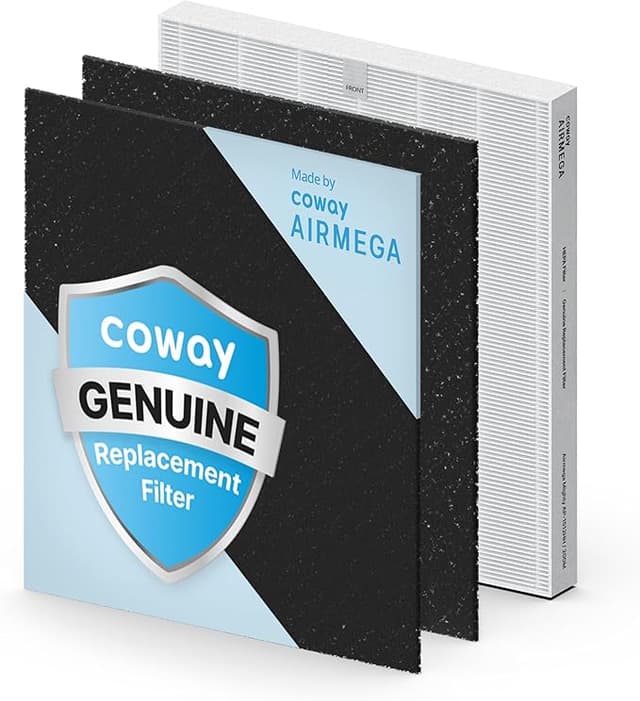
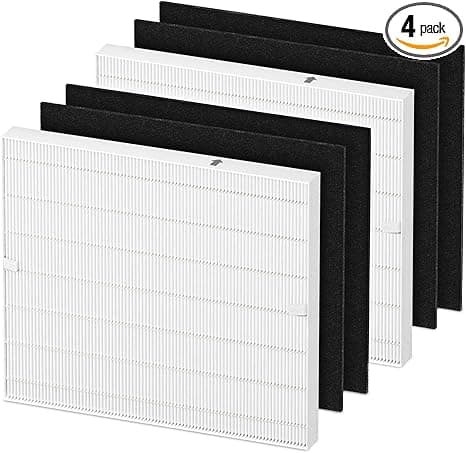
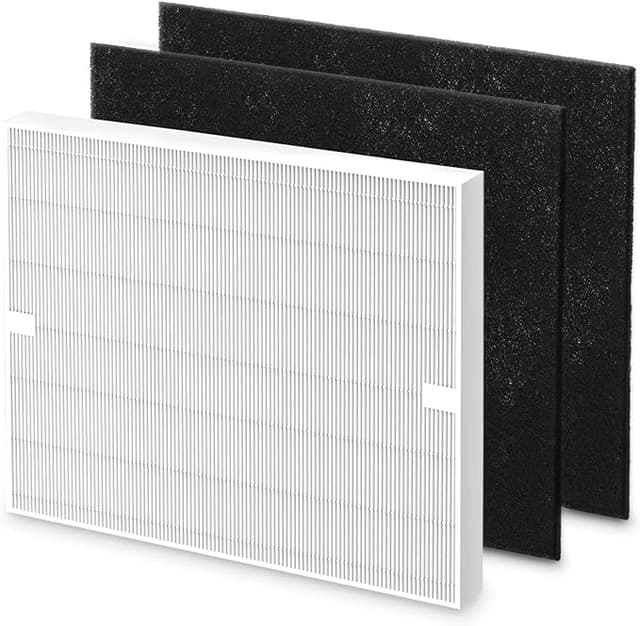
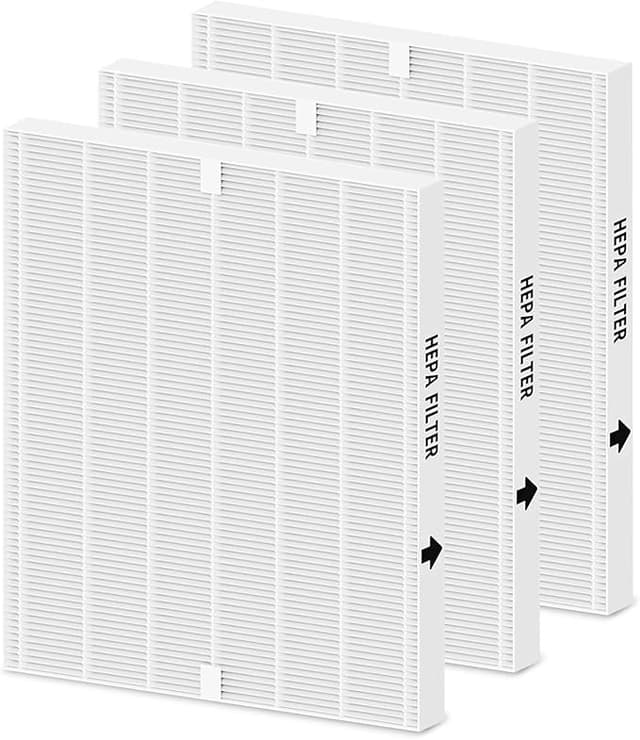
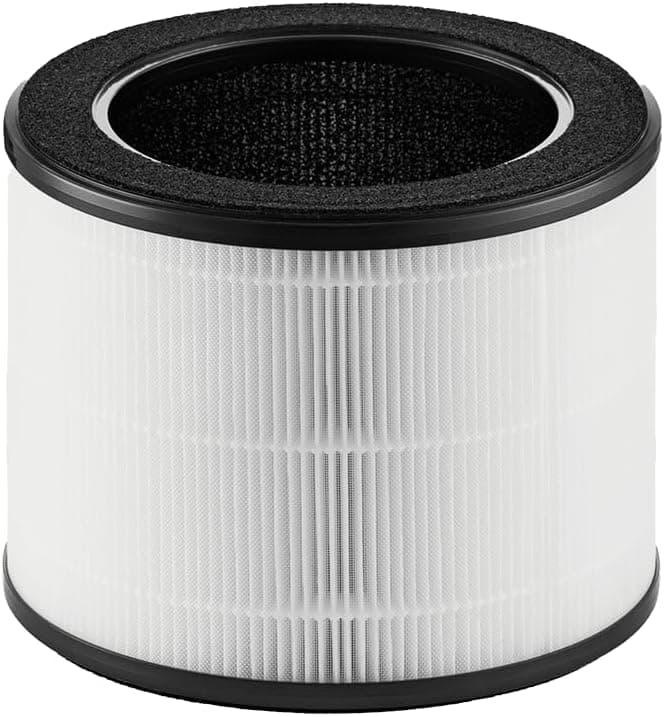
I was standing in front of my Coway AIRMEGA 100 at maybe 11pm, the filter light glowing orange at me like it had been for a week, and I had two tabs open on my phone. One was the genuine Coway Filter S — the real one, the box with the hologram sticker. The other was a compatible Filter S, same True HEPA H13 spec, listed at almost exactly half the price. And I just stood there. Because the cheap one always feels like a trap, right? You buy it, it doesn't seat, your purifier rattles, and you've thrown away twenty bucks plus the OEM you now have to buy anyway.
I bought the compatible one. I've now run it for about five months in my bedroom unit, and here's everything I actually noticed — the good, the slightly annoying, and the part where I'd tell you to spend more.
The money, plainly
The AIRMEGA 100 wants a fresh filter roughly once a year if you run it most days, which I do. OEM Filter S runs in that $40-ish range depending on where you catch it. The compatible H13 I bought was about half that. So over a normal device life — call it six, seven years — you're looking at a couple hundred dollars in the gap. That's not nothing. That's a real dinner out, every year, for the privilege of the hologram sticker.
And the spec that matters didn't change. True HEPA H13 is H13 — it's a rating, 99.95% at the worst-case particle size. The compatible one I got carries that same rating, and after five months in a room I sleep in every night, I believe it.
Does it actually fit?
This is the part everyone's really nervous about, so let me be specific. The install on a 100 is genuinely four steps: unplug it, pull the old filter, drop the new one in, reset the light. That's it — no tools, no fighting.
The compatible Filter S slid into the housing and clicked. But I'll be honest with you — the frame felt a hair looser than the genuine Coway did. Not loose enough to rattle, not loose enough to let air sneak around the edges (I checked, ran a tissue around the seam, no leak draft). But if you've had the OEM in your hands, you'll feel the difference in the plastic. It's a touch less rigid. The first time I seated it I pressed it in twice just to be sure it was flush. It was. Five months later it hasn't shifted.
The smell thing — yeah, it's real
For the first two, maybe three days, there was a faint plastic-and-new-cardboard smell when the fan kicked to high. Not chemical, not headache-inducing — more like opening a new appliance box. By day four I couldn't find it anymore. If you're sensitive to that, run the unit on high for an afternoon with a window cracked before you go to bed on it. Mine aired out completely.
How it actually performs
Here's where it earned its keep. I've got a cheap air-quality meter I keep on the nightstand — not lab-grade, but consistent. Cooking smoke from the kitchen, the dusty stretch when I finally vacuumed under the bed, a candle I let burn too long. The compatible filter pulled the numbers back down on the same timeline the OEM did. The unit's own sensor light went blue at about the same pace too. I genuinely could not tell you, blindfolded, which filter was in the machine by how the air felt.
Where's it a touch behind? Longevity, maybe. The genuine Coway felt like it held its airflow a little more stubbornly toward the end of its year. The compatible one I'm watching a bit more closely as it loads up — I'll probably swap it right at the year mark rather than pushing it to fourteen months like I sometimes did with OEM. Cheaper filter, so swapping a little earlier still leaves me way ahead on cost.
The downside I won't sugarcoat
The packaging is cheap. The box arrived a little crushed at one corner, the print quality is whatever, and there's no satisfying hologram-sticker ceremony. None of that touches performance — but if part of what you're paying OEM for is the feeling that you bought The Real Thing, you won't get that feeling here. You get a filter in a plain bag in a soft box.
And the looser frame I mentioned. It's fine. But it's the one spot where I'd understand someone preferring the genuine part.
Why you can't just skip this
Whichever one you pick — do change it. A saturated filter in an AIRMEGA 100 isn't neutral. Once it's packed full, it stops grabbing new particles and just sits there, and a damp, dust-loaded filter can actually start growing the stuff it was supposed to catch. Mold doesn't care whether the filter was $20 or $40. So the worst choice isn't OEM versus compatible — it's leaving a dead one in there because the replacement felt too expensive. That's exactly the trap that pushed me to the compatible in the first place: I'd rather pay half and swap on time than dread the cost and let it rot.
So who buys what?
If your AIRMEGA is running in a nursery, or someone in the house has serious respiratory issues and you want zero variables, or the OEM-peace just matters to you — buy the genuine Coway Filter S. No argument from me. That's a fair reason to spend more.
For everyone else — me included — the compatible H13 did the same job in my actual bedroom, for roughly half the price, with the only real costs being a three-day break-in smell and a slightly cheaper frame. I bought it nervous. I'd buy it again without thinking about it. Actually, I already ordered my next one, so I will.