Troubleshooting & Analysis
I did the math, and Brita's been quietly charging me a luxury tax
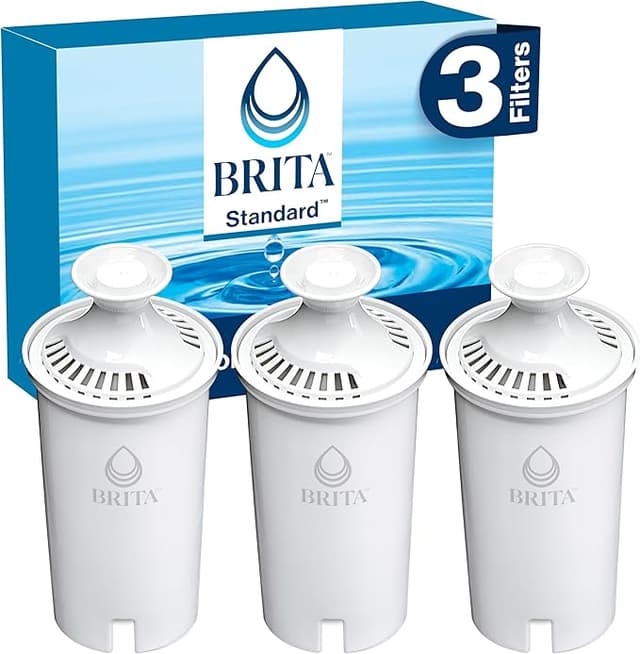
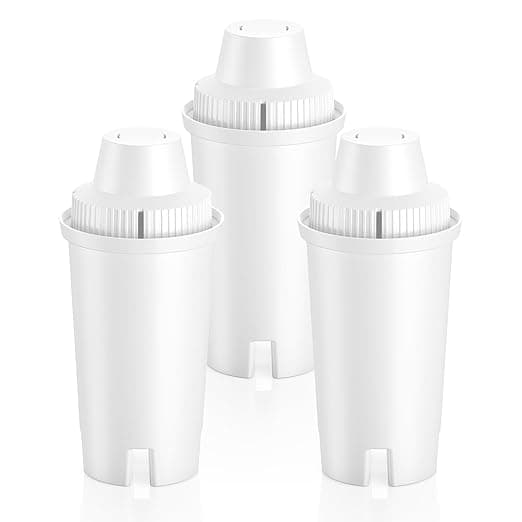
Here's the number that got me. A three-pack of genuine Brita Standard cartridges runs around $18 to $21 depending on the day. The compatible three-pack I now keep under the sink? Eight, sometimes nine bucks. Same cartridge slot, same pitcher, same job. If you change yours on schedule — every two months, six a year — that's a difference of roughly twenty-five to thirty dollars a year for what is, functionally, a block of activated carbon and ion-exchange resin in a plastic shell.
Twenty-five bucks doesn't sound like a mugging. But I've owned my Brita pitcher for years, and when I added it up across that whole stretch, I'd paid the brand somewhere north of a hundred and fifty dollars in cartridges alone. For a part nobody sees. That's the moment I went looking for the cheaper one — half annoyed, half convinced it'd be junk.
I assumed the cheap one would be garbage. It mostly isn't.
I'll be straight with you, because I didn't trust these either. My first thought was that a compatible cartridge at less than half the price had to be cutting a corner somewhere I'd regret — thinner carbon, a sloppy fit, water that still tasted like a swimming pool. So I ran one head-to-head against a genuine Brita Standard in the same pitcher for two full months.
The water tasted the same. That's the headline. Brita Standard cartridges are built to knock down chlorine taste and odor, and that's the thing your tongue actually notices — and the compatible one did it just as well. I poured glasses side by side the first week, even roped my wife into a blind sip test because I wanted to catch a difference. Neither of us could. The faint chlorine edge our tap water has after the city flushes the lines? Gone with both. Cold glass of water tasted clean, flat in the good way, no plastic, no metallic aftertaste.
That matters for more than taste, honestly. A working carbon filter is what's standing between you and the chlorine and the heavy metals that ride along in a lot of municipal and older-plumbing water. The part people forget is that a dead filter — one you've left in two months too long because you forgot — stops adsorbing and just lets that stuff pass straight through while you sip away thinking you're protected. The real safety risk isn't the brand on the cartridge. It's the calendar. A cheap filter you actually replace on time beats a premium one you stretch to four months out of guilt over the price.
Fit and install — where I expected trouble, and found a little
Dropping it in is the same three steps you already know. Soak or rinse the new cartridge first the way the instructions say — I run mine under the tap for about fifteen seconds and give it a gentle shake to clear the loose carbon dust, which is normal and shows up as a little gray tint in your first pour. Toss the old cartridge. Seat the new one in the reservoir, fill, and run one full pitcher through to wake it up. Dump that first batch. Second pour on, you're good.
Now the honest part. The fit is a hair less precise than genuine Brita. On my pitcher the compatible cartridge needed a firmer push to seat — there's a click when it grooves into the reservoir, and with the original it's effortless, while with this one I had to press down and wiggle it a touch to feel it lock. Once it's in, it's in; no leaking around the collar, no water sneaking past unfiltered that I could detect. But that first install I genuinely wondered for a second if I'd gotten the wrong part. I hadn't. It's just molded a little looser. Took me all of ten extra seconds.
The downsides, because there are some
The flow is a touch slower than a fresh Brita original — maybe ten, fifteen seconds longer to drain a full reservoir. Not enough to notice unless you're standing there waiting with an empty glass, which, fine, sometimes I am. By the tail end of its two months it slows a little more than the genuine one did. Still drinkable speed, just less brisk.
The packaging is also cheap. Thin plastic wrap, a printed insert that reads like it went through one too many translation passes. None of that touches the water, but if you're someone who reads the box and judges, you'll judge. And the first cartridge I rinsed shed a bit more carbon dust than I expected — two pours to run fully clear instead of one. Minor, but real.
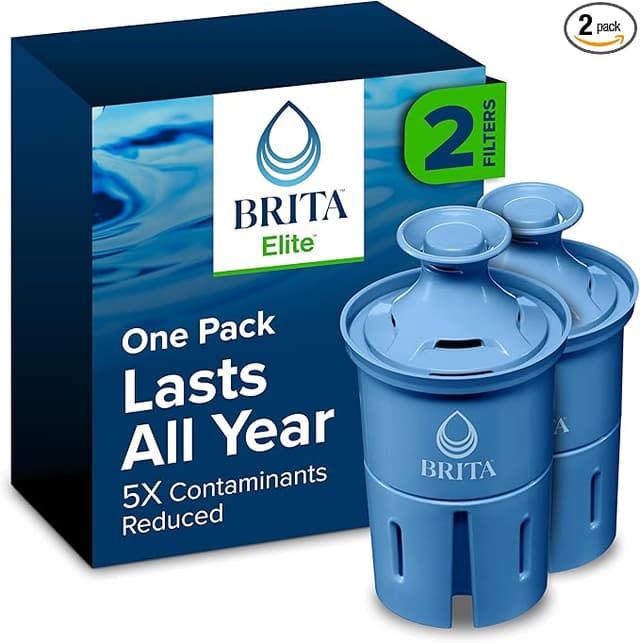
One more: don't expect miracles it was never built for. The Brita Standard line isn't a lead-reduction or heavy-duty filter to begin with — that's the Elite tier — so a compatible Standard cartridge does Standard things. Chlorine, taste, odor. If your water genuinely needs lead reduction, buy the right tier, OEM or compatible, and don't cheap out on the category itself.
So who should skip it?
If you're the type who will absolutely forget to swap cartridges and wants the dead-simple, drops-in-perfectly, zero-thought experience — and twenty-five dollars a year is genuinely nothing to you — buy the genuine Brita and don't think about it again. No shame in that. The fit really is a touch cleaner.
But for me? I've now bought the compatible packs three times. It does the one thing I actually care about — clean, chlorine-free water — exactly as well as the original, for less than half the price, and the only cost is a slightly firmer push on install and a few seconds of slower flow. I'd rather change a cheap filter on time than nurse an expensive one past its date. That's the whole verdict. I'm keeping the cheap ones under the sink.