Troubleshooting & Analysis
I didn't believe a $20 filter could be fine either
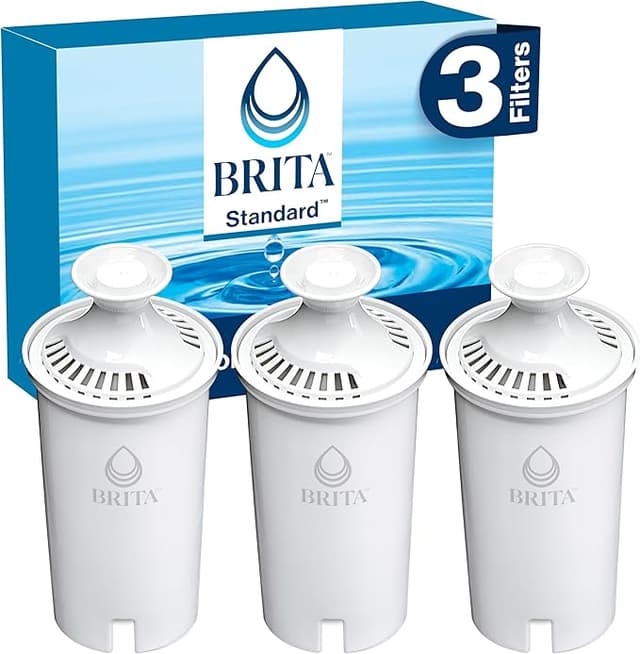
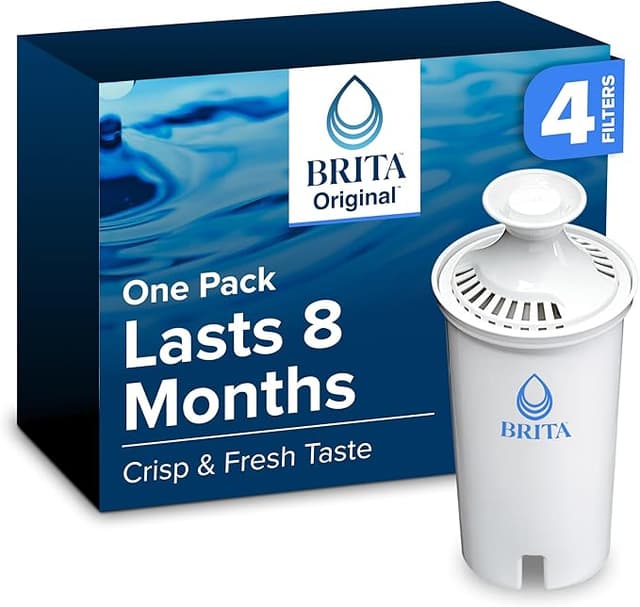
Here's the thing I'll admit up front: the first time I dropped a no-name compatible filter into my Brita STANDARD pitcher, I half expected to taste it. Plastic, chemical, something off. I'd been buying the real Brita pucks for years out of pure habit, and some part of my brain had decided that the white-and-blue box was the only thing standing between me and weird-tasting water. So I bought the cheap third-party pack mostly to prove myself right. To catch it failing.
It didn't fail. That's the annoying part. It just... worked.
I've now run compatible cartridges through that same pitcher for the better part of a year — four, five swaps deep — and I keep one real Brita filter in the drawer as a control, the way a suspicious person would. Every couple of months I do a side-by-side taste test with my wife, who has a much pickier palate than I do and zero loyalty to my opinions. Neither of us can call it. Same clean, slightly mineral tap-with-the-edge-taken-off taste. Same nothing, really, which is exactly what you want from water.
The actual money, because that's why you're here
Let's be honest about why anyone reads a review like this. You're standing there looking at the brand-name multipack and the compatible one and the compatible one is 40 to 60 percent cheaper for the same job. That's the whole pitch. Why pay the brand premium on a thing you throw in the recycling every two months?
And it adds up faster than you'd think, because this is a consumable you replace roughly every 40 gallons — call it every two months for a normal household, more often if you're filling water bottles for a family. So you're not buying one filter. You're buying six a year, every year, forever, for as long as you own the pitcher. Knock close to half off each one and the annual difference is real grocery money. Over the life of the pitcher it's the cost of the pitcher several times over. The hardware was never the expensive part. The refills are the business model.
Does it actually seat right?
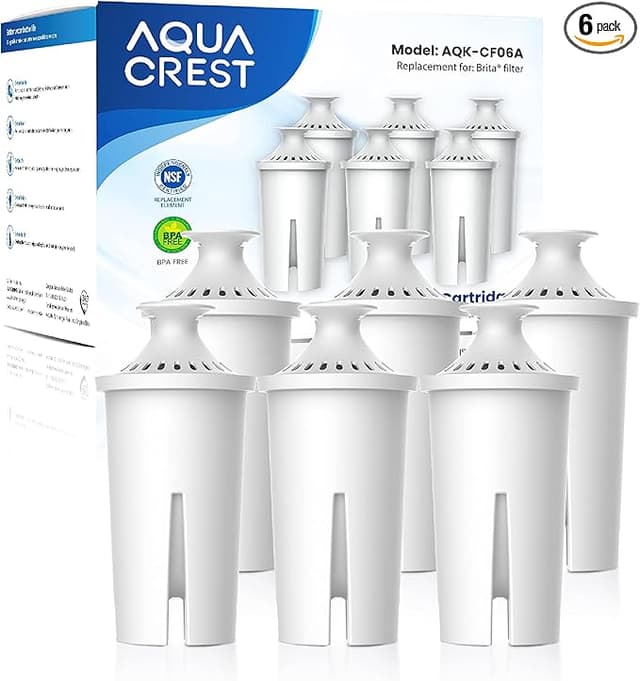
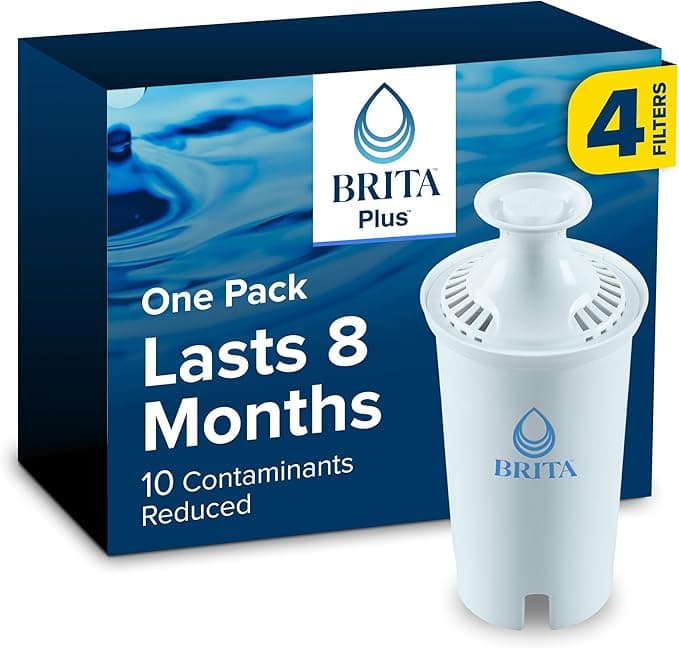
This is where compatible filters usually get caught, and it's the first thing I check. The fit on the Brita STANDARD is the easy case — these are the classic oval cartridges that drop into the reservoir, and the compatible one matched the OEM dimensions closely enough that it seated with the same firm little push-and-twist. No gap around the rim where unfiltered water could sneak past. No wobble.
Do the install the boring, correct way and you won't have problems. I soak the new cartridge in cold water for about fifteen minutes first, then flush a couple of pitchers' worth through it and dump that water — the first few pours carry loose carbon dust and run a little gray. That's normal for any activated-carbon filter, brand name included, not a defect in the cheap one. After that flush, the water runs clear. Pop it in, line it up the way the old one came out, press until it sits flush, and you're done.
One genuinely nice surprise: flow rate. A couple of the compatible cartridges I tried actually drained a hair faster than the tired OEM filter they replaced. Not a feature anyone's selling, just something I noticed standing at the counter waiting for the top reservoir to empty.
Where it's a touch behind — the real downsides
I told you I'd give you the honest version, so here it is. The packaging is cheap. The cartridges showed up in a thin plastic sleeve instead of the nicely sealed individual wrappers Brita uses, and one outer sleeve had a split seam. The filter inside was fine, but it doesn't feel as premium in your hand, and if that bugs you, it'll bug you.
Second: the first cartridge I installed had a faint plastic smell on the dry housing — gone completely after the soak-and-flush, never showed up in the water, but it was there for about a day out of the bag. And third, the little electronic change-reminder sticker that comes with brand filters? Skip it. Just set a phone reminder, because the compatible packs don't always include one and the ones they do include are flimsy.
None of that is performance. It's presentation and small conveniences. But you asked for the downside and that's the downside.
Why I don't let it go too long
The one place I won't cut corners — on any filter, cheap or not — is leaving a dead one in past its life. A saturated carbon cartridge doesn't just stop helping; it starts working against you, because everything it pulled out of your water over two months is sitting in there, and slow-running water can start to taste flat or faintly funky. That's your signal. With the compatible filters costing what they do, there's genuinely no reason to ride one an extra few weeks to save money. Swap it on schedule. The savings come from the lower price per filter, not from torturing each one.
So who should still buy the real Brita?
If you want the matching recycling program, the branded reminder sticker, the tidy individual wrappers — or you just sleep better with the name on the box — buy the OEM. No judgment. Some people value the polish and that's a fair thing to pay for.
But for the water that actually comes out of the pitcher? I can't tell the difference, my pickier wife can't tell the difference, and I've been trying to for a year specifically so I could write that I could. For roughly half the price, doing the identical job, dropping into the same slot with the same click — I'd buy the compatible one again. I already have, four times over, and the control filter in my drawer is still sitting there unused. That tells you everything.