Troubleshooting & Analysis
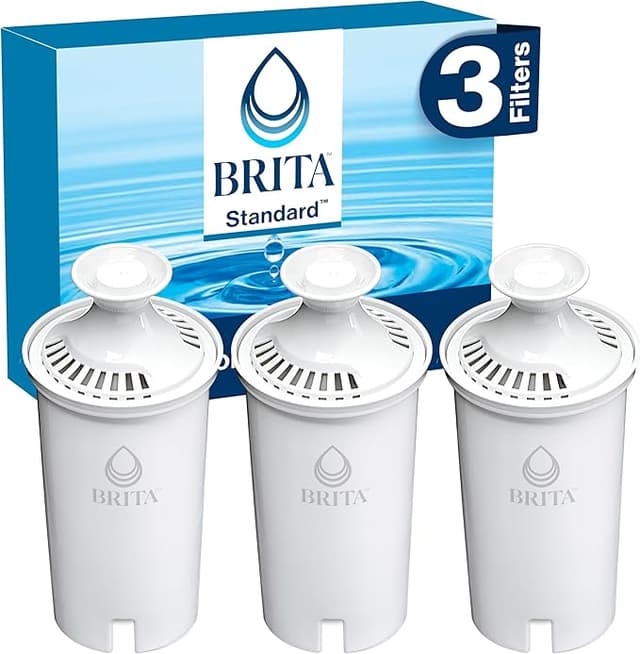
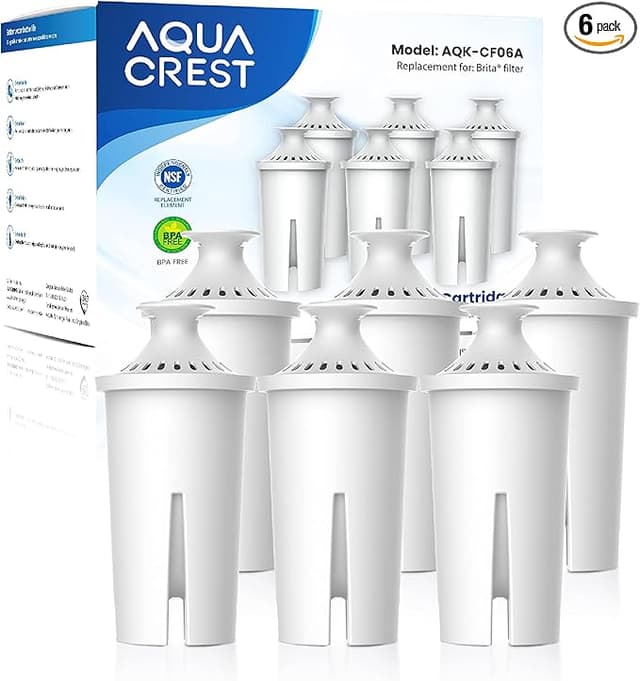
I stood at my kitchen counter last spring holding two little white pucks. One was the genuine Brita Standard cartridge — the round white one that drops into the pitcher, the kind that comes three to a box for about $18 at the grocery store. The other was a compatible version I'd grabbed online, four of them for roughly the price of two of Brita's. Same shape. Same job. And I genuinely did not know whether I was about to ruin a perfectly good pitcher to save a few bucks. So I did the dumb thing and tested both, side by side, for most of a year.
The price gap is the whole reason we're here
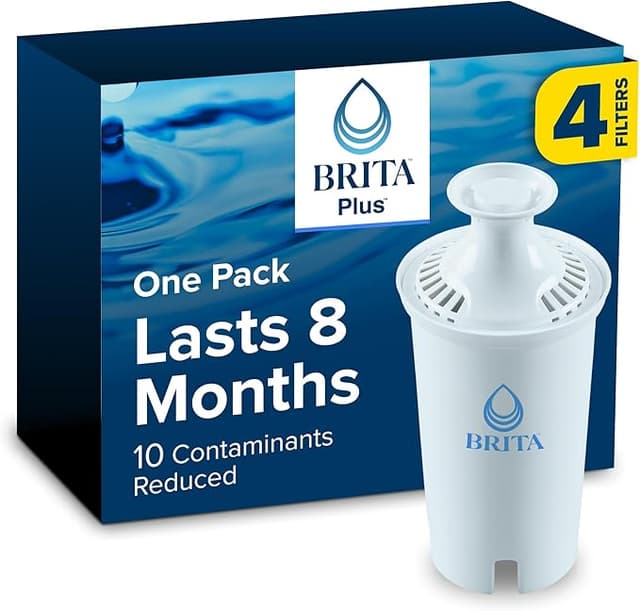
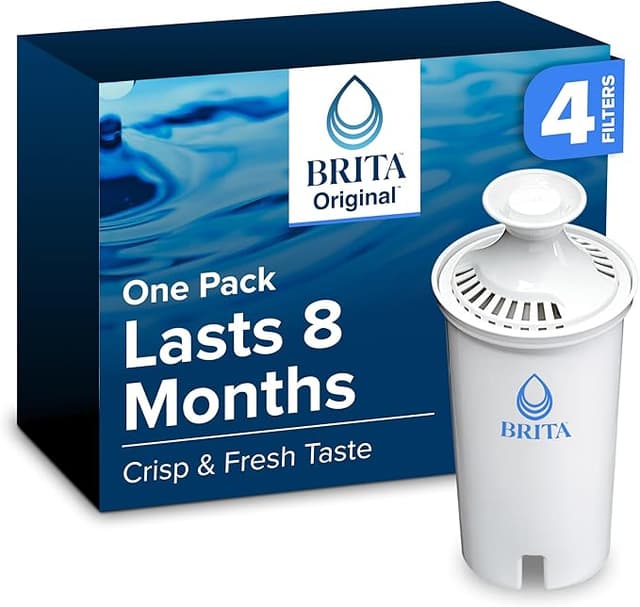
Let's be honest about why anybody googles this. A Brita Standard cartridge works out to around $6 a pop when you buy them one or two at a time. The compatible packs I've bought land closer to $3.50 each, sometimes under $3 if you buy a six-pack. On a single filter that's nothing. But Brita tells you to swap the Standard cartridge every 40 gallons — for me, a household of three that drinks a lot of water, that's about every two months. Six filters a year.
Six genuine cartridges: roughly $36 a year. Six compatible: closer to $18-21. So we're talking about saving fifteen, maybe twenty dollars annually. Not life-changing. But here's the thing — I was throwing the OEM ones in the cart on autopilot for years without ever asking if the cheaper one did the same thing. Turns out, mostly, it does.
Does it actually fit the pitcher?
This was my first worry. The Standard cartridge has that flat-bottomed cylinder shape with the little tab, and if a knockoff is even slightly off, it either won't seat or water sneaks around the side unfiltered. The ones I've used dropped into my Brita Grand and my smaller Space Saver pitcher and seated with the same firm push — you feel it click down into the reservoir collar. No wiggle. No gap I could see water bypassing through.
One install note that's true for both the real and the compatible ones: you have to prep the new cartridge. Soak or rinse it under cold water for about fifteen seconds, drop it in, then run a pitcher-full or two through and pour those first batches down the drain. That flushes out the loose carbon dust. Skip it and your first glass tastes like a campfire. The compatible cartridges actually needed one extra rinse cycle compared to Brita's before the water ran clear — small thing, but I noticed it.
How the water actually tasted
Chlorine is the real test. My tap water has that municipal pool smell in summer, and the genuine Brita knocks it down to where I can't taste it at all. The compatible cartridge did the same — maybe a hair less aggressively in the first week, but by the time it was broken in I honestly couldn't tell the two pitchers apart in a blind pour. I made my wife try it. She picked the "real" one as the compatible one. So.
On hardness — the chalky, slightly mineral taste from harder water — the compatible softened it about as well as I'd expect from carbon-and-ion-exchange media. It's not a water softener and Brita's isn't either, so don't expect miracles. But the film on my glasses got noticeably lighter, same as with OEM.
The real downside — and there is one
Here's where I have to be straight with you. The compatible cartridges I used did not last as long as Brita claims its Standard does. Brita rates the Standard for about 40 gallons. The compatible ones started letting a faint taste creep back in for me closer to the 30-35 gallon mark — call it three weeks shorter per filter in my house. The little electronic indicator on my pitcher is just a timer, so it won't catch this; you have to go by taste. When the chlorine smell starts sneaking back, swap it, don't wait for the light.
Factor that shorter life back into the math and the savings shrink a little — maybe you're buying seven compatible filters a year instead of six. Even then it's still cheaper than the genuine route, just not by quite as much as the sticker suggests. The packaging is also flimsier; mine came in a thin plastic sleeve instead of Brita's sealed box, which I cared about exactly zero, but you should know it's not a premium-feeling product.
Why I don't let any of these run long
The thing people forget about a pitcher filter is that a dead one isn't neutral — it's worse than nothing. Once the carbon is saturated, it stops grabbing chlorine and the heavy metals you'd rather not drink, and it can actually start shedding what it collected back into your glass. Old, exhausted media is also exactly where bacteria like to set up shop. That's the whole reason the replacement interval exists — it's about your family's water, not Brita's sales numbers. Whatever cartridge you run, the cardinal rule is the same: change it on time. A cheaper filter you actually replace on schedule beats an expensive one you stretch to four months because it hurt to buy.
Who should buy what
If you're the kind of person who will absolutely not track taste and just wants to trust the timer light and forget it, buy the genuine Brita Standard — the rated lifespan is more honest and you'll get the full 40 gallons. Same if you're filtering for an infant's formula or you've got a specific medical reason to want the validated certifications; pay up, no debate.
But for a normal household that just wants clean, chlorine-free water and is willing to swap a cartridge when the taste tells them to? I run the compatible one. I've gone through probably ten of them now across two pitchers, the fit is solid, the water's clean, and even with the shorter life I'm still spending less than I used to. For the price of two real ones I get four that do the same daily work — I'd buy them again, and I have.