Troubleshooting & Analysis
I didn't believe a $20 filter could be fine either
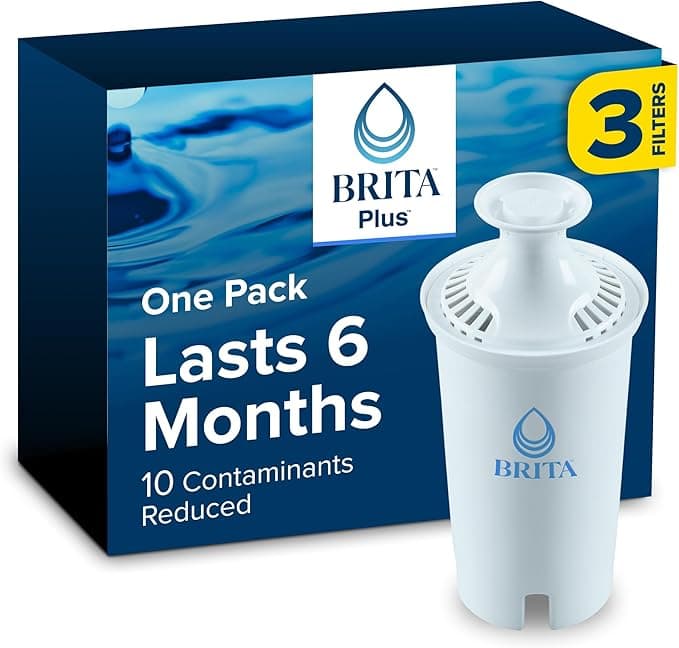
For about two years I was the guy who bought the genuine Brita refills without thinking. White box, the little leaf logo, $7-ish a cartridge when you grab a single, and I'd pay it at the register and move on. Then one day I'm standing in the aisle and there's a generic compatible pack — same shape, same notched top that clicks into the Brita pitcher — and it's roughly a third of the price per filter. And my first reaction was, honestly, no. No way the cheap one actually does the same thing. Water you drink? I figured I'd be buying brown sludge in a plastic shell.
I bought a pack anyway, mostly to prove myself right. I was wrong, and I've been running them ever since.
The math is the whole reason you're reading this
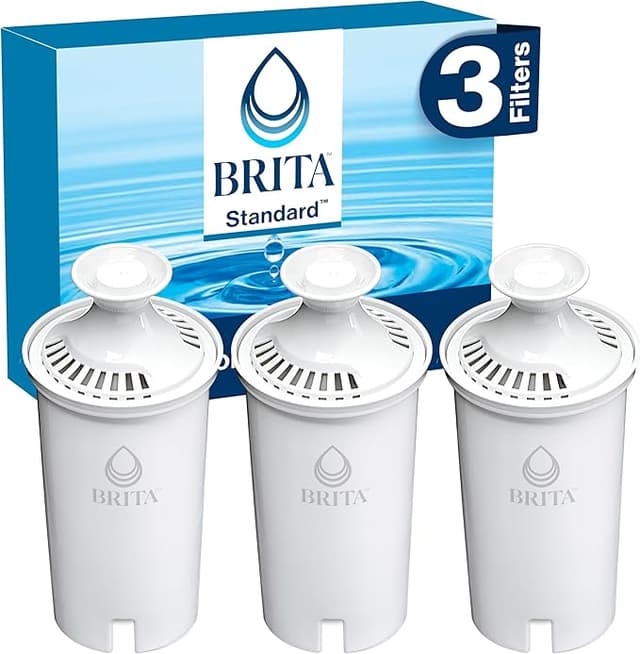
Here's the part nobody wants to say out loud about the Brita Standard system: the pitcher is cheap, the cartridges are where they get you. A genuine Standard filter runs around $6 to $8 each depending on pack size. Brita tells you to swap every 40 gallons — for most households that's about every two months. Call it six filters a year. So you're spending somewhere around $40 to $48 a year just to keep your own pitcher running, forever, for as long as you own it.
The compatible Standard-fit cartridge I switched to lands closer to $2 to $3 each in a multipack. Same swap interval. That's roughly $15 to $18 a year instead of $45. It's not life-changing money in a single month — it's the kind of quiet $30-a-year leak that runs in the background for a decade. Over the life of the pitcher you're looking at real money for a part that gets thrown in the trash every eight weeks.
Does it actually fit, though
This was my second worry. The Brita Standard reservoir has that specific cup the cartridge drops into, and a hair-off filter means water sneaks around the side instead of through it — which is worse than no filter, because you think you're filtering and you're not.
The compatibles I've used seat correctly. You soak or rinse the new one first the way the instructions say — I run mine under the tap for about fifteen seconds and give it a couple of taps to knock the loose carbon dust out — then drop it in, press until it sits flush, and run a pitcher or two through before you drink. Same routine as the genuine one. The push-in is firm. I've never had one float or leave a gap at the collar.
Two honest fit notes. First: on one off-brand pack the cartridge went in a touch tighter than the Brita, enough that I had to give it a real press to feel it seat. Not loose — tight, which I'll take. Second: that first run-through can come out a little gray with carbon fines if you under-rinse. Rinse it properly and dump the first pitcher and you're done. That's not a defect, that's every activated carbon filter on earth, including the genuine one.
What it does, and where it's a half-step behind
The Standard cartridge's whole job is taste and odor — it knocks out the chlorine smell, cuts the metallic edge, and pulls down some copper and mercury and the stuff that makes tap water taste like a public pool. On that, the compatible matched what I expected. My tap water has a clear chlorine bite straight from the faucet; through the filter it tastes flat and clean, the way filtered water should. I did a blind glass-versus-glass with my wife and neither of us could pick the genuine cartridge out. That was the moment I stopped buying brand name.
Where's it behind? Flow. I think the genuine Brita drips through a hair faster, especially in the back third of the cartridge's life. With the compatibles, by week six or so the pour-through slows down a little more than I remember the real one doing — you fill the top, walk away, come back. Minor. And the packaging is plain — thin plastic wrap, a no-name box, none of the polish. If the box mattered to me I wouldn't be saving the money.
Why you shouldn't just ride a dead one
The thing people get wrong with any of these — genuine or compatible — is running it way past its swap date because it "still works." A saturated carbon filter doesn't just stop helping; it can start handing back what it already grabbed, and a damp old cartridge sitting in standing water is exactly where you don't want bacteria setting up shop. The chlorine you're filtering out is also the thing that was keeping the water sterile, so filtered water that sits in a tired cartridge is the worst of both. Cheap refills actually fix this, weirdly — when a filter costs two bucks instead of seven, you stop rationing them and you actually change it on time. I swap mine the day the little sticker dot or the calendar says to, no guilt.
Who should skip it
If you're on well water or you're chasing a specific contaminant — lead, PFAS, something a lab test flagged — the Brita Standard is the wrong tool entirely, genuine or compatible. That's a job for the certified lead-rated cartridges or a real under-sink setup, and you should not cheap out on it. The Standard is a taste-and-chlorine filter. Buy it for what it is.
But if you've got normal municipal tap water and you just want it to stop tasting like the pool — which is the actual reason 90% of people own a Brita — the compatible Standard cartridge did the same job in my pitcher for a third of the price. I didn't trust it walking into that aisle. Four-plus refill cycles later, it's just what I buy now.