Troubleshooting & Analysis
I did the math on Brita's name-brand filters and almost spit out my water
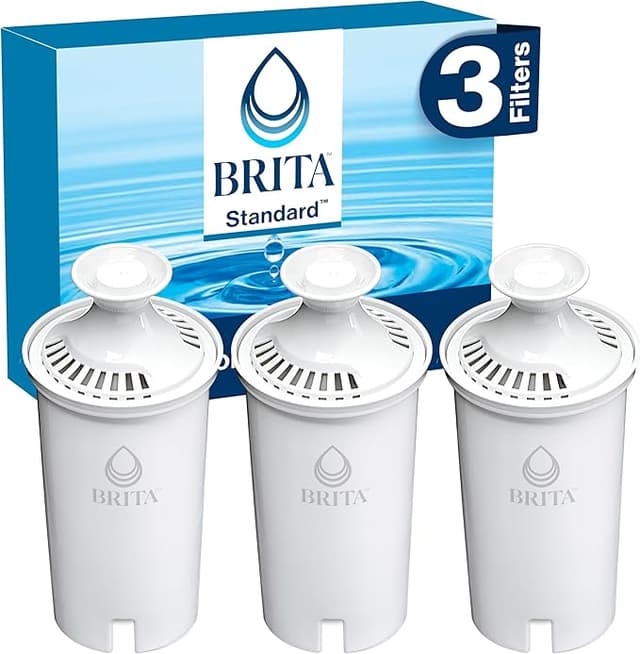
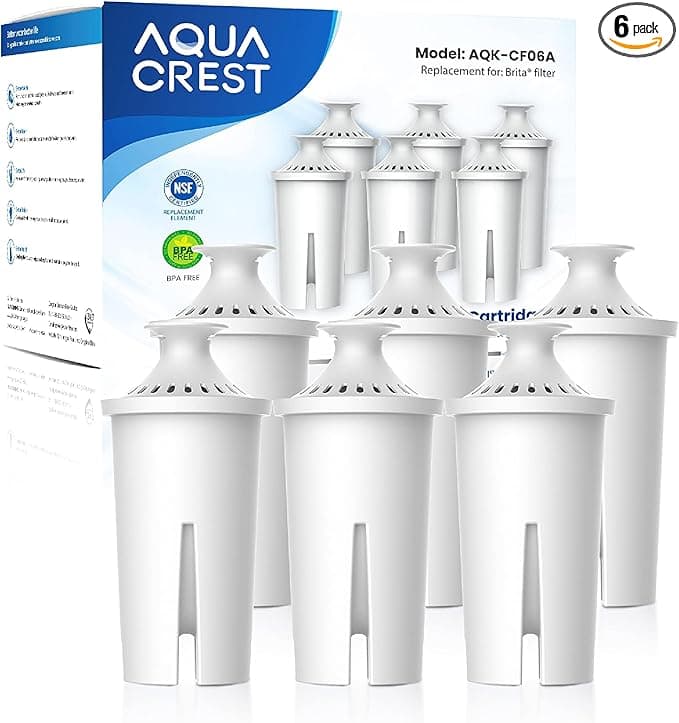
Here's the number that got me. A three-pack of genuine Brita Standard cartridges runs about $18 to $24, and each one is rated for two months. So you're swapping roughly six times a year. Buy the OEM packs and you're looking at $50, $60, sometimes pushing $70 a year just to keep tap water from tasting like a swimming pool. The compatible Standard-fit cartridges I've been running cost less than half that for the same swap schedule. Same shape, same little ring of carbon and resin, same job — and I'm keeping thirty-plus bucks a year in my pocket.
I didn't trust that gap at first. Nobody should. When something fits a Brita pitcher and costs a third less, your gut says there's a catch — thinner carbon, a flimsier seal, something. So I bought a pack, dropped it in my everyday pitcher that takes the Standard round cartridge, and just... lived with it. Months. Here's the honest report.
The price gap, laid out flat
OEM Brita Standard, per cartridge, lands somewhere around $6 to $8 depending on the pack size and whether you catch a sale. The compatible Standard-fit ones come out closer to $3 each in the bigger packs. Multiply by six replacements a year and the OEM route is roughly $40-48 annually; the compatible route is more like $18-20. That's not pocket-change rounding. That's a tank of gas, twice over, for water that comes out tasting the same. I checked my own receipts on this because I didn't believe it either — the savings held up over a full year.
Does it actually fit, or do you fight it?
This is where compatible cartridges live or die, because the Standard round design has to seat flush or your unfiltered water just sneaks around the side. Prep is the usual drill — you soak and rinse the new cartridge first (the instructions say to, and it matters; skip it and your first pitcher tastes like wet pennies and pencil shavings from loose carbon dust). Run cold water through it, give it a good rinse, then press it down into the reservoir until it seats.
On mine, it clicks home the same as the genuine one. I'll be straight with you though: the molded ring on the compatible cartridge felt a hair less snug going in the first time, just enough that I gave it a second push to be sure. Once it's seated, it's seated — no bypass, no dribble down the side. After that first install I stopped thinking about it. Pour, filter, drink.
How it performs once it's in
The whole reason you run a Brita Standard is chlorine taste and smell, plus knocking down the stuff you don't want sitting in a glass — copper, mercury, cadmium, that family of heavy metals that an exhausted cartridge quietly stops catching. The compatible one I've been using pulls the chlorine bite out cleanly. My tap water at home has a real municipal pool tang to it in the summer, and within a pour or two the filtered water was flat-neutral, the way it should be. Coffee tasted right. Ice didn't stink up the freezer.
Where's it a touch behind? Flow. The first week, the compatible cartridge drained a little slower than a fresh OEM one — you notice it when you're standing there waiting for the top reservoir to empty. It loosened up after the break-in and now it's basically even. Not a dealbreaker, but I won't pretend the two are identical out of the wrapper. They're not. The OEM starts a bit faster.
The real downside, because there's always one
The packaging is cheap. Thin plastic sleeve, a printed insert that reads like it went through a translator one too many times. It does not feel premium, and if you're the kind of person who likes a tidy branded box, this'll bug you a little. There was also a faint plastic smell on the cartridge straight out of the bag — gone after the soak-and-rinse, but it's there for a second and worth mentioning. None of that touches the water once it's running. It's a presentation thing, not a performance thing. Still, you asked for honest.
Why a dead filter is the part nobody thinks about
Here's the thing people forget: a spent cartridge isn't neutral. It's worse than no filter, because you trust it. The carbon saturates, the resin gives up, and a tired filter starts letting chlorine straight through and — the part that actually matters — quietly passing the heavy metals it used to catch. You're drinking what you bought the thing to remove, and you don't taste the change because it creeps. So whatever you buy, the real safety move is swapping on schedule. The good news is that the lower price is exactly what makes you do it. When refills are cheap, you don't stretch a cartridge an extra month to save money. You just replace it. Your family's water is safer because the math stopped tempting you to skip.
Who should buy OEM — and why I grab this one anyway
If you've got a Brita unit still under a warranty that's fussy about non-brand cartridges, read the fine print first — some makers get prickly, even though a properly fitted Standard-compatible cartridge does the identical job. And if the few extra seconds of flow during break-in would genuinely drive you up the wall, the genuine cartridge starts faster. Those are the honest reasons to pay up.
For everybody else? Look — I've run these for months, side by side with the real thing in my head the whole time, and the water tastes the same, the fit is solid, and I'm keeping thirty-plus dollars a year. The packaging is ugly and the first pour needs a rinse. That's the whole list of complaints. For half the price, doing the exact thing I bought it to do, I'd buy the compatible Standard cartridge again — and I already have, twice.