Troubleshooting & Analysis
Standing in the aisle doing filter math
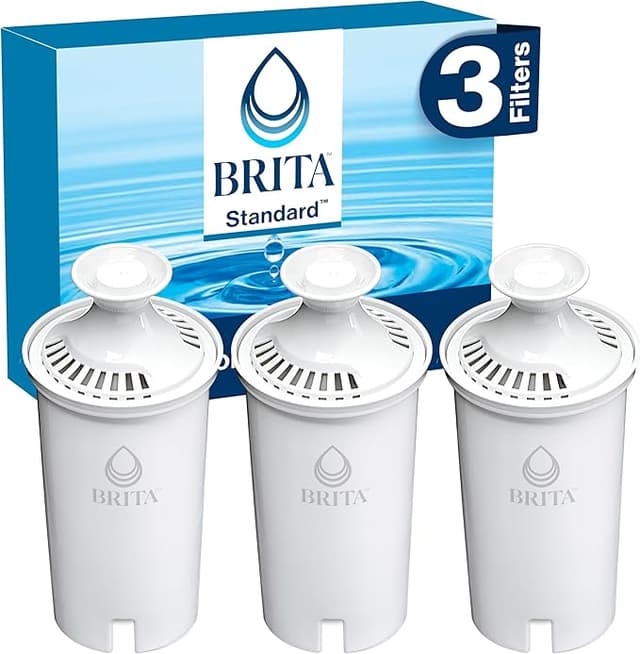
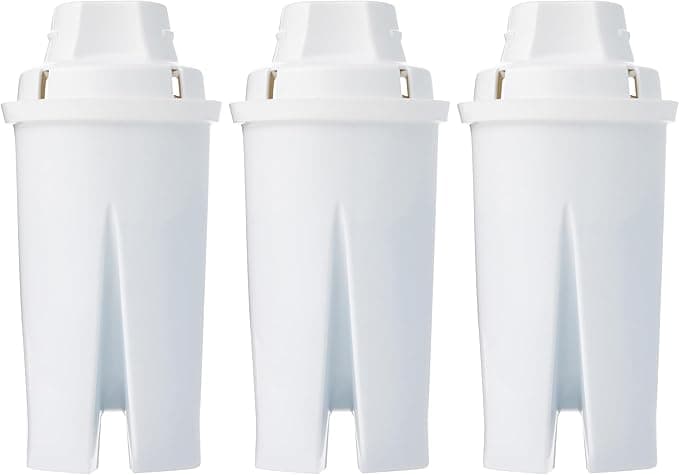
There I was at the kitchen counter, two boxes in front of me, both for the same Brita Standard pitcher that's lived next to my sink for three years. On the left, the genuine Brita three-pack — eighteen bucks, so six dollars a filter. On the right, a compatible six-pack for about fourteen, which works out to a hair over two dollars each. Same pitcher. Same slot. A third of the price. And I stood there genuinely unsure, because I'd been burned before by a cheap compatible fridge filter that leaked, and I didn't want my drinking water to be the next experiment.
So I bought the compatible pack anyway. Then I actually paid attention for a few months instead of just shoving it in and forgetting. Here's what I found.
The fit — and the one annoyance
The Brita Standard reservoir has that little notched collar the cartridge twists into, and this is where compatibles usually betray themselves. The good news: it seats. You push, you feel the click, the foam gasket grabs the wall of the reservoir. No water sneaking around the side and dripping into the pitcher unfiltered, which is the failure mode I was watching for.
The annoyance? The fit is a touch tighter than the real Brita going in, and a touch looser once it's settled. First install I had to give it an extra shove and a quarter-twist to feel it lock. On the genuine cartridge that motion is smoother — better-molded plastic, I'd guess. It's a five-second difference, not a dealbreaker, but if you're the kind of person who notices these things, you'll notice this.
One step you can't skip with either brand: soak and rinse before first use. The instructions say run it under cold water for fifteen seconds and let it sit submerged a few minutes. Do it. I rushed it the first time and got that gray carbon dust clouding my first pitcher — totally harmless, but it looks like pencil shavings and it'll spook you. Soak, rinse, toss the old cartridge, drop the new one in, and run a full pitcher through before you drink it. That first pour goes down the drain.
How it actually performs
Our tap water here runs hard and tastes faintly of chlorine straight from the faucet — that public-pool note you get in a lot of municipal systems. The whole reason a pitcher filter exists is to pull that out, and this one does. First glass after install, the chlorine taste was gone. Water tasted flat and clean, the way filtered water should. My partner, who refuses to drink straight tap and will absolutely tell me if something's off, didn't say a word, which is the highest praise available in this house.
Flow rate through the carbon was on par with what I remember from the genuine filter — Brita Standards aren't fast filters to begin with, they're the trickle-through kind, and this trickled at the same pace. No noticeable slowdown even near the end of the cartridge's life.
Where's it a touch behind? Longevity, honestly. Brita rates the Standard for roughly 40 gallons or about two months. With the genuine cartridge I'd comfortably hit the two-month mark before the taste started creeping back. With this compatible one, I felt the chlorine note returning closer to the seven-week mark — maybe a touch less carbon packed in, maybe just my hard water chewing through it faster. So I started swapping a little earlier to be safe.
Does the cheaper one cost more in the end?
That earlier-swap thing matters, so let's do the real math instead of hand-waving it. Say I replace the compatible every six weeks instead of eight. That's roughly nine cartridges a year at about $2.30 each — call it twenty-one dollars annually. The genuine Brita at six dollars, swapped every eight weeks, is around six and a half cartridges a year, so about thirty-nine dollars. Even paying the "swap it sooner" tax, the compatible still lands me at roughly half the yearly cost. The shorter life eats into the savings; it doesn't erase them.
Why I don't let it ride too long
The thing people forget about any carbon filter is that it doesn't fail loud. It just quietly stops working. The carbon saturates, and once it's full it can't hold any more — chlorine, and the trace heavy metals like the lead and copper these are meant to reduce, start passing straight through into your glass. You won't always taste it. So I write the install date on a piece of tape stuck to the pitcher lid, because a filter you forgot to change is arguably worse than no filter — you trust it while it's doing nothing. Cheap cartridges actually make this discipline easier, because swapping a two-dollar part on schedule doesn't sting the way pitching a six-dollar one early does.
The verdict
Who should stick with genuine Brita? If you've got a sensitive system, an immunocompromised person in the house, or you just want the manufacturer's exact certified spec with zero second-guessing — buy the real ones and don't think about it. The peace of paying for the brand is worth something to some people, and I won't argue.
But for my normal household, on normal city water, in a three-year-old pitcher? I grab the compatible. The packaging is flimsy, the fit takes one extra nudge, and I swap it a week or two sooner than the genuine — those are real, and I'd rather you hear them from me than discover them yourself. Set against half the annual cost for water that tastes exactly as clean, that's a trade I've made for months now. And I just reordered another six-pack, so apparently I mean it.