Troubleshooting & Analysis
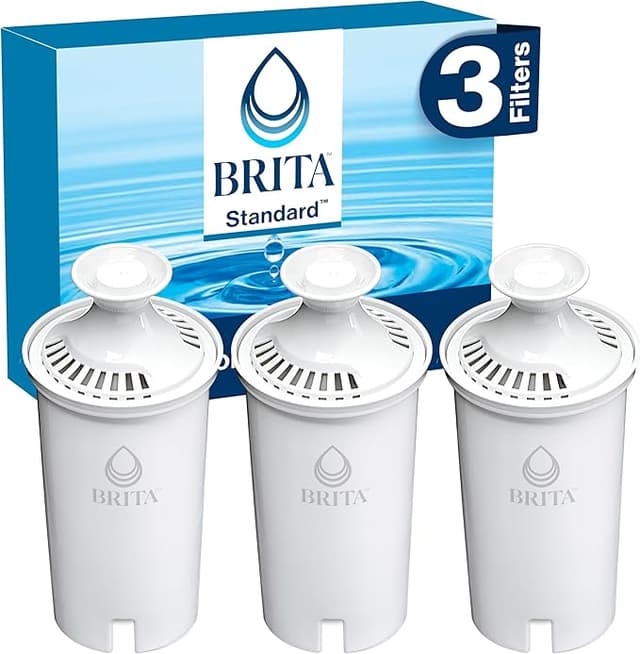
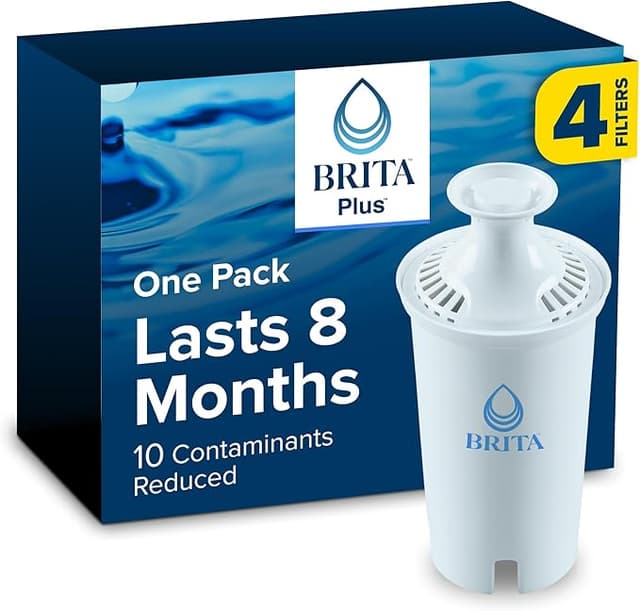
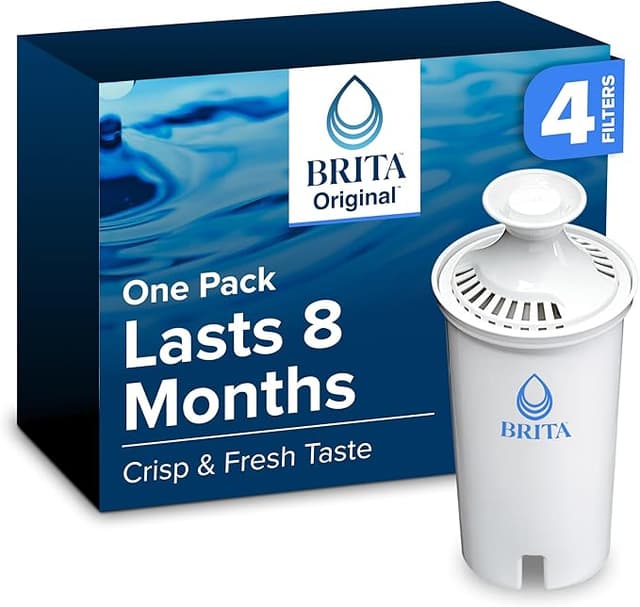
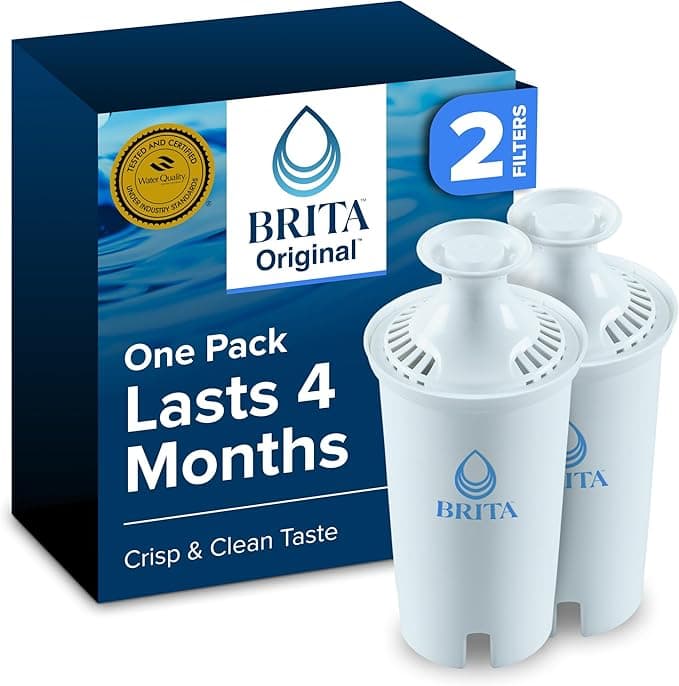
The first thing I noticed was the smell of the wet carbon — that damp, slightly gray-water scent when you rinse a brand-new cartridge under the tap. My Brita Standard pitcher had been begging for a fresh filter for a week (the little indicator blinking red, water tasting faintly like the inside of a garden hose), and I'd run out of the name-brand refills. So I grabbed a cheaper compatible pack instead, mostly out of stubbornness. Held it next to a spent original. Same chalky white shell, same fluted cap, same little ring of foam around the rim that seats against the reservoir.
It clicked in. That's the part you actually care about, right? You push it down into the funnel of the Standard pitcher and feel that small resistance, then the seat. This one seated. No gap, no wobble, no slow trickle of unfiltered water sneaking down the side — which is the thing that ruins a cheap cartridge, because then you're just pouring tap water past a fancy plug.
The money, plainly
Here's why I bothered. Brita's own Standard refills run me about $6 a cartridge when I buy the small box — call it $24 for a four-pack on a normal day, more if I'm caught short and grabbing one at the grocery store. The compatible pack I've been running came out to roughly $2.50 each in a six-pack, around $15 total. Less than half.
And these things don't last. The Standard cartridge is rated for about 40 gallons, which Brita translates to "every two months." In my house — two adults, a dog whose water bowl I refill from the pitcher, a lot of coffee — I'm swapping closer to every six or seven weeks. So that's eight, maybe nine filters a year. At $6 each that's around $52 annually. At $2.50 it's about $22. I'm keeping thirty-odd bucks in my pocket every year to do, as far as I can tell, the same job. Over the three years I've owned this pitcher, that's a tank of gas and then some.
Install is the same boring three steps
Nobody needs a tutorial for a pitcher filter, but the compatible one didn't change the routine, which matters. Soak it — I run mine under cold water for about fifteen seconds and give it a gentle shake to knock loose the carbon dust, the way you would with any of these. Toss the dead cartridge (the old carbon is spent, it's not doing anything but holding bacteria at that point). Drop the new one in, fill the reservoir, and pour the first pitcher down the drain. That first batch always carries a little loose black grit and tastes a touch off; second pour is clean. With the originals I do the exact same thing. No adapter, no "compatible filter gotcha."
One honest note on the soak: this compatible cartridge shed a bit more carbon dust on that first rinse than the Brita-brand ones do. Not a dealbreaker, but I dumped two pitchers instead of one before the water ran totally clear. If you're impatient, you'll notice it.
How the water actually tastes
This is the whole point of a Standard filter — it's a carbon cartridge, there to knock down chlorine taste and odor, a little mercury and copper and cadmium, and the funk that makes city water taste like a swimming pool. It is not a heavy-duty under-sink system and never claimed to be.
On that job, the compatible one held up. My tap water here is chlorinated enough that you can smell it straight from the faucet, and after the first proper pour the pitcher water was flat-clean — no pool smell, cold and a little soft on the tongue the way good filtered water is. I did a dumb side-by-side one night, a glass from a fresh Brita original and a glass from this compatible, and honestly couldn't pick them apart. My wife couldn't either, and she's the one who complains first when the filter's dying.
Where it's a hair behind
Flow rate. The compatible cartridge drains just slightly slower than a fresh original — you fill the top reservoir and it takes maybe a minute longer to finish dripping through. Denser carbon packing, probably. It's the kind of thing you'd never clock unless you'd used the brand-name ones for years, which I have. By week four they're about even anyway. And the packaging is cheap — a thin plastic sleeve, no box, one cartridge in mine had carbon dust loose in the bag. Cosmetic. The filter itself was fine.
Why I don't let it run dead
The reason I don't stretch these past their interval — original or compatible — is that a saturated carbon filter stops pulling anything out and can actually start handing back what it's been holding. Old chlorine taste creeping in is your early warning. The metals it's supposed to trap can slip through a spent cartridge, and a wet, exhausted filter sitting in standing water is exactly where bacteria like to set up. Cheap is fine. Old is not. Whichever brand you buy, swap it on schedule and you're covered.
So who should buy what
If you've got a sensitive palate, want the box, the exact spec sheet, the brand name on the shelf — buy the Brita originals, no argument, they're a known quantity. But for the Standard pitcher specifically, doing the everyday job of pulling chlorine and metals out of municipal tap water, I've run these compatible cartridges for the better part of a year and I keep reaching for them. Same fit, same clean glass of water, half the price, a touch slower and a little dustier on day one. For the thirty bucks a year it saves me, I'd buy it again — and I already did. The six-pack's in the cabinet.