Troubleshooting & Analysis
Sixty-five dollars. For a filter.
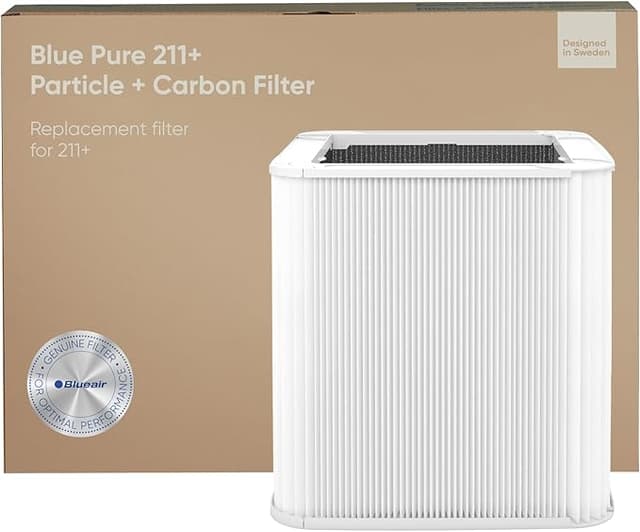
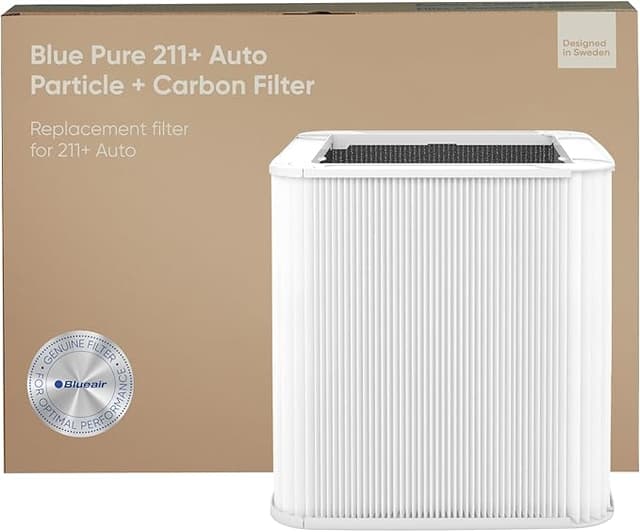
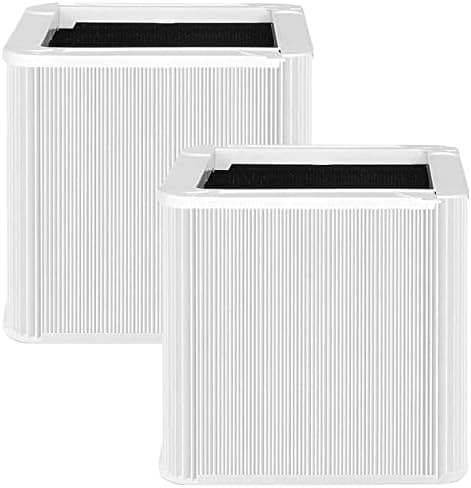
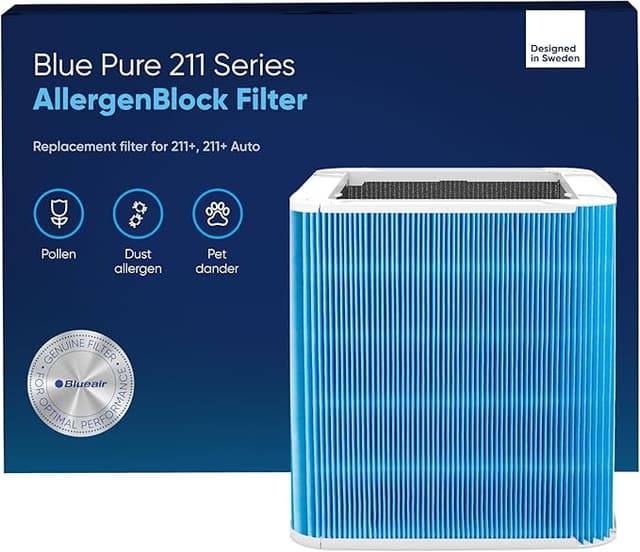
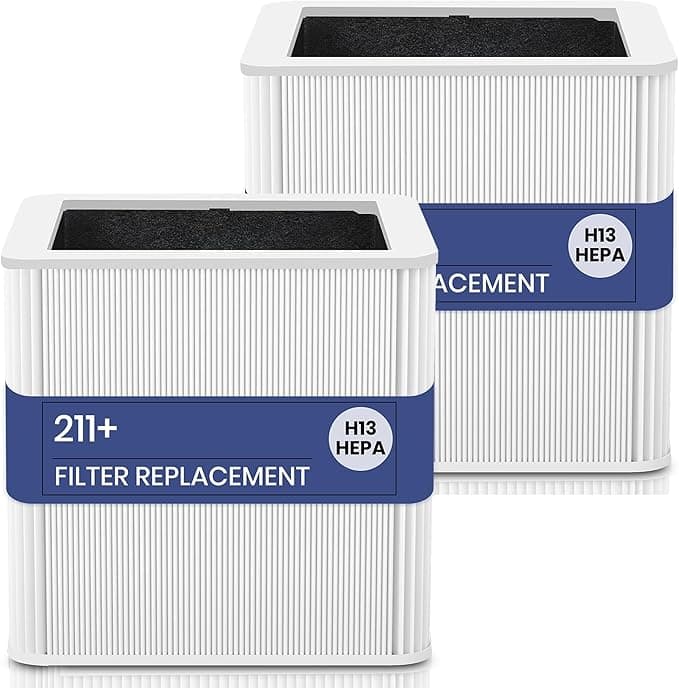
That's what Blueair wanted for the genuine replacement in my Blue Pure 211 the first time I went looking. Sixty-five bucks, plus shipping, for a cylinder of pleated paper and a carbon pre-sleeve I'd throw out in six months. I sat there with the cart open and just… didn't click. The compatible Filter R I ended up buying instead was twenty-two dollars. Same size unit, same job, and I'd been running it for almost a year before I sat down to write any of this.
So let me tell you what actually happened, because I was the nervous one too.
The math that made me switch
The 211 is a big-room machine. Blueair rates that filter for roughly six months of real use, and honestly, in a house with a dog and a kitchen that sees a lot of garlic, six months is about right before it starts smelling tired. Two changes a year at OEM is around $130 annually just in filters. The compatible Filter R at $22 a pop puts me at about $44 a year. That's a real $86 staying in my pocket every twelve months — call it the cost of a decent dinner out — for a part I am physically throwing in the trash.
When the gap is two dollars, sure, buy the brand and don't think about it. When the gap is forty-plus dollars per filter, you owe it to yourself to at least ask whether the cheap one holds up. I asked. Here's the answer.
Does it fit? Yes — with one small note
Swapping it is genuinely a two-minute job, and the steps are exactly what you'd guess: unplug the unit, lift the top grille off, pull the spent filter straight up and out, drop the new Filter R down into the well, set the grille back, plug in, and hold the button to reset the filter light. No tools. The 211's design is forgiving — the filter sits in a cylindrical bay and the magnetic-feeling fit does most of the work for you.
The one note: my compatible unit seated a hair looser than the OEM did. Not loose enough to rattle or let air sneak around the side — it still pulls flush against the base — but the carbon mesh sleeve was a touch baggier and I had to tug it down even at the bottom so it sat clean. Took me ten extra seconds. If you're the type who needs every part to click in like a vault door, that slightly relaxed fit might bug you the first time. After that you stop noticing.
How it actually performs
This is the part I cared about most, because a HEPA filter that fits but doesn't filter is worthless. The Filter R I bought is a True HEPA H13, which on paper traps the fine stuff down to 0.1 micron — the pollen, the dander, the cooking smoke that hangs in the air. In the room? My experience matched the OEM closely. I keep mine in a roughly 500-square-foot living space, and on medium it clears post-cooking haze in about the same window it always did. Spring pollen season, which usually has me sneezing the second I sit on the couch, was noticeably calmer with the unit running overnight.
The carbon layer is where I'd give OEM a slight edge. Both knock down odor, but the genuine sleeve seemed to hold its odor-grabbing strength maybe a few weeks longer into the cycle. With the compatible one I could tell the carbon was fading a little earlier — kitchen smells lingered a bit more in month five than they did with Blueair's own. Not a dealbreaker, especially since I'm changing it on schedule anyway, but it's honest and it's real.
The downside nobody mentions
Out of the box, the new Filter R had a faint plastic-and-fresh-cardboard smell for the first two or three days. Not chemical, not alarming — just that "new thing" odor off the carbon and packaging. I ran the unit on high for an afternoon with a window cracked and it was gone by day three. The packaging itself is also clearly the budget version: a plain box, a thin plastic bag, none of the snug molded fit Blueair ships. Cosmetic. The filter inside was clean and undamaged. But if unboxing matters to you, manage your expectations.
Why I don't skip the change date
Here's the thing people forget: the real danger isn't the cheap filter, it's the old filter. A saturated HEPA in your Blue Pure 211 stops being a cleaner and starts being a problem — trapped dust and moisture are exactly what mold likes, and a neglected filter can quietly push that back into the room every time the fan kicks on. That risk is identical whether your filter cost $65 or $22. So the smarter money move isn't buying the most expensive filter and stretching it to nine months. It's buying the affordable one and actually changing it on time. The price drop is what makes changing it on time painless.
So who should buy what?
If you're under warranty and worried a third-party part could give Blueair a reason to deny a claim, or you simply want the marginally longer carbon life and don't blink at the cost — buy OEM. No shame in that.
But for most of us running a 211 in a normal home? I grab the compatible Filter R. It fits, it clears the air about as well as the genuine one, the only real gives are a slightly looser sleeve, a two-day break-in smell, and carbon that fades a touch sooner — and I'm saving close to ninety bucks a year while changing it more often, not less. I've bought it more than once now. That's the most honest thing I can tell you: I keep coming back to it with my own money.