Troubleshooting & Analysis
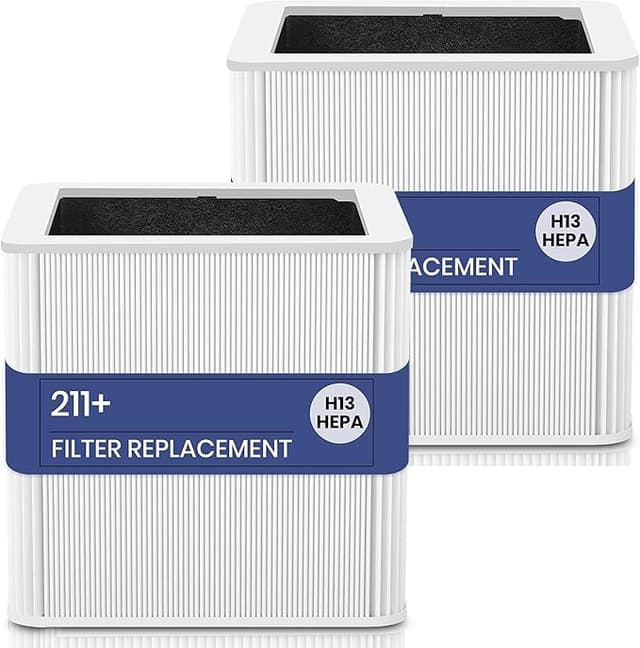
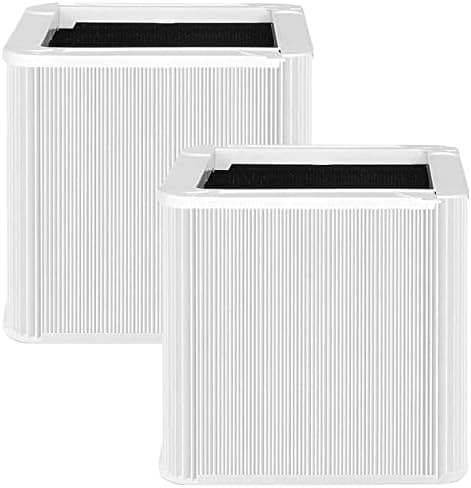
The first thing I noticed wasn't the air. It was the smell — a faint, sharp plastic note the first morning after I swapped in the compatible filter on my Blue Pure 211. Not chemical-burning, not alarming. Just that "this came out of a sealed bag yesterday" smell. By day three it was gone and I'd forgotten about it. I bring it up because nobody on the product page will, and it's the kind of thing that makes you second-guess a $20 filter at 6am.
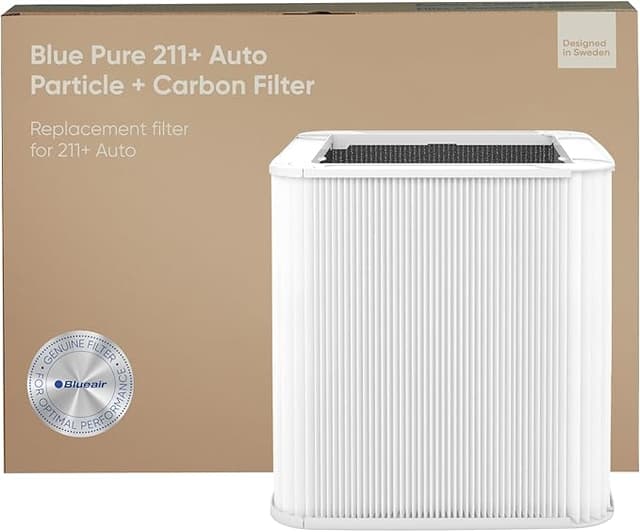
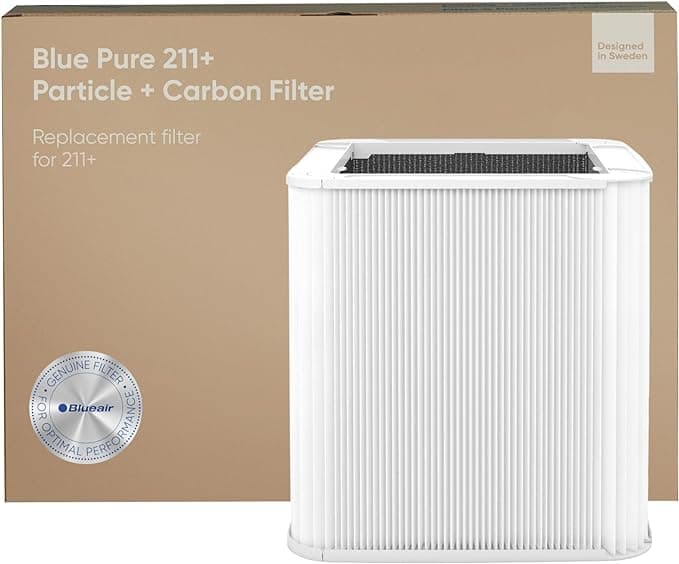
So let me back up. I've run a Blue Pure 211 in my living room for a little over two years. The genuine Blueair replacement filter — the particle + carbon one — runs me somewhere in the $40 to $60 range depending on where I catch it, and Blueair wants you swapping it roughly every six months. Do that math out loud and it stings: you're spending almost as much per year keeping the thing fed as a decent chunk of what the purifier itself cost. That's the whole reason I started buying third-party in the first place.
The fit — does the compatible one actually seat?
This is where I was most nervous, because a HEPA H13 cylinder that's even a few millimeters off ends up letting air sneak around the edges instead of through the media, and then you're cleaning nothing. The Blue Pure 211 is dead simple to service, which helps. You unplug it, lift the fabric pre-filter sleeve off, pull the old filter straight up and out, drop the new one down over the inner cage, and reset the filter light by holding the button until it blinks. Two minutes, no tools.
The compatible filter dropped onto the cage and sat flush. Honest caveat: the top collar felt a hair looser than the OEM did when it was new — there's a touch more wiggle if you nudge it sideways before the pre-filter sleeve goes back on. Once that fabric sleeve is back over it and snugged down, everything's locked in place and I can't feel any difference in airflow or seating. But if you're the type who notices a loose-feeling part, you'll notice that. It didn't translate into any whistling, rattling, or air leak that I could detect.
How it actually performs
I keep a cheap particulate meter on the shelf next to the unit — not a lab instrument, but consistent enough to compare against itself. I ran the room down from a cooking-smoke spike with the OEM filter a few months back and logged how fast it cleared. With the compatible filter in, on the same medium fan speed, the clear-down time was within a minute of the OEM run. Close enough that I'd call it a wash for everyday dust, pollen, and cooking haze.
Where I'll be straight with you: the carbon layer on these aftermarket filters is usually a little thinner than Blueair's. For the first few weeks the odor knockdown felt every bit as good — fried fish, the dog, that stale closed-up-apartment smell after a weekend away, all handled. My read is that the activated carbon on the cheaper filter loads up a bit faster over a long run, so by month five the OEM might still have a slight edge on heavy smells. For particles? I genuinely couldn't tell them apart. The H13 media is doing the heavy lifting and it's doing it well.
The downsides I'm not going to hide
Two things. First, the packaging is cheap — mine showed up in a thin plastic sleeve inside a plain box, no rigid protection, and one corner of the filter media had a slight crease from shipping. It puffed back out fine and didn't affect anything, but it doesn't inspire the same confidence as Blueair's boxed-and-foam presentation. Second, that break-in plastic smell I opened with. Three days. If you're sensitive, run the unit on high for an hour by an open window before you go to bed the first night and you'll skip most of it.
And here's the part that actually matters more than any of that. Whatever filter you put in there, you have to change it on schedule. A Blue Pure 211 with a filter that's months past due isn't a neutral object sitting in the corner — it's a loaded sponge. All that trapped pollen and dust and, in a humid room, mold spores, just sits there, and a saturated filter stops pulling new air through and starts becoming the thing it was supposed to protect you from. The whole reason a cheaper filter is a good idea is that it makes you willing to actually swap it on time instead of stretching a $55 filter to nine months because it hurts to replace.
Who should skip it — and what I do
If you've got someone in the house with serious asthma or a real chemical sensitivity, or you're running this in a kitchen that produces heavy odors every day, the OEM's thicker carbon layer is probably worth the premium for the back half of the filter's life. No shame in buying the genuine one there. Same goes if a slightly loose-feeling top collar is going to live in your head rent-free.
For everyone else — and that's most of us, running a 211 in a bedroom or living room for general dust, allergens, and the occasional cooking smell — the compatible H13 filter does the same core job for roughly half the money. I've now bought the aftermarket one three times in a row. The first time I babysat my particle meter for a week waiting to catch it slacking. It didn't. These days I just buy it, swap it on time, and don't think about it. That, honestly, is the highest compliment I can give a replacement filter: it earned enough trust that I stopped checking on it.