Troubleshooting & Analysis
I didn't believe a $20 filter could be fine either
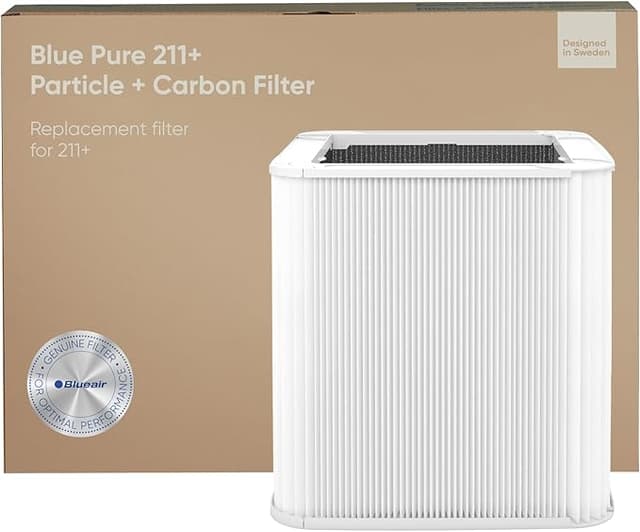
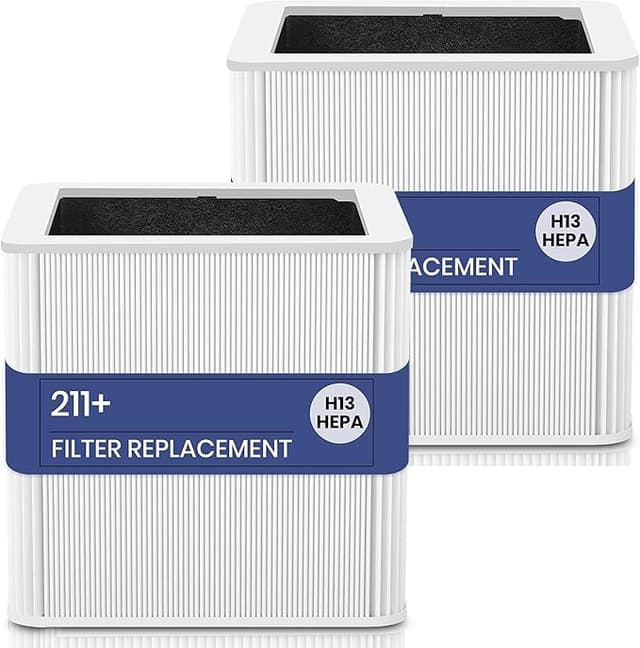
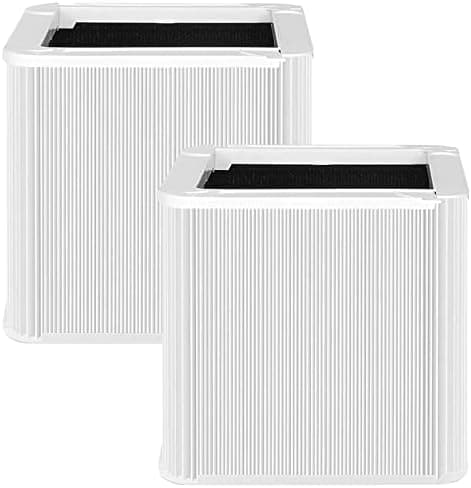
Here's the thing. The first time I saw a compatible Filter C for my Blue Pure 211 sitting next to the Blueair-branded one, I assumed the cheap one was a trap. Same shape, half the money, and that little voice going you get what you pay for. I'd been burned before on a generic vacuum filter that basically did nothing, so I went in cynical. Bought the compatible one anyway, mostly to prove myself right and write it off. Four months later it's still humming in my home office and I'm the one who got proven wrong.
So let me walk you through what I actually found — fit, smell, performance, the annoying parts and all — because I know exactly where you're standing right now.
The math that made me even look at it
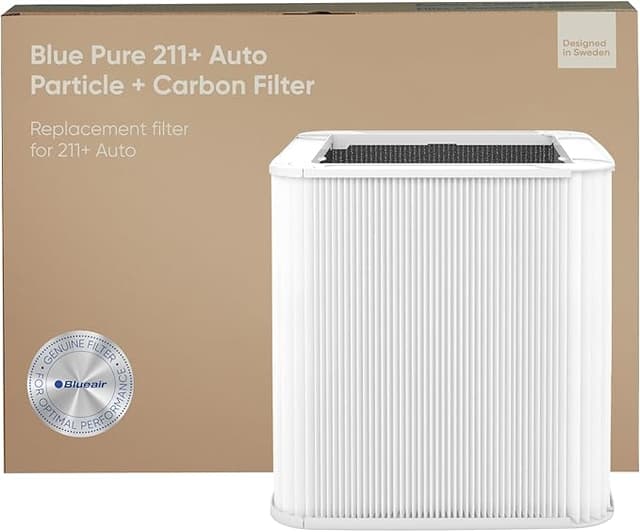
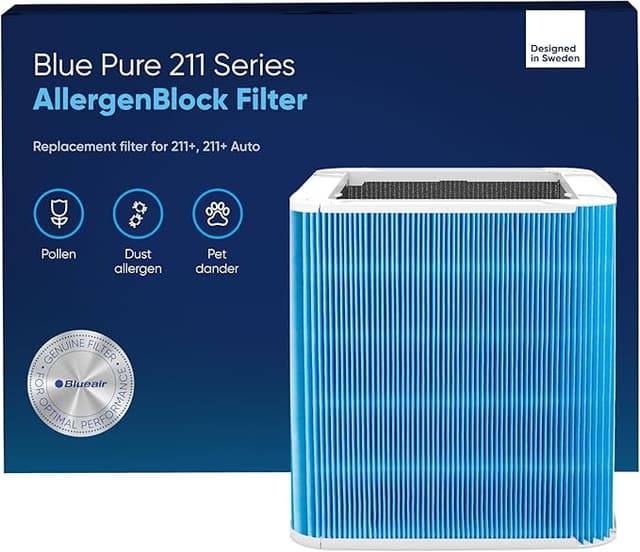
The Blue Pure 211 isn't a cheap machine to feed. The genuine replacement runs you in the $45–$60 range depending on where and when you buy, and Blueair wants you swapping it roughly every six months. Do that math out loud: you're looking at $90–$120 a year just to keep the thing breathing, basically forever, for as long as you own the unit.
The compatible Filter C I picked up was right around $25, and it's a true HEPA H13 — that's the same grade rating, not a step down to some vague "HEPA-type" wording that always makes me suspicious. Two of those a year is fifty bucks. Call it half. Over three years of owning the purifier that gap is real money, not a rounding error, and that was enough to make me curious instead of dismissive.
Does it actually seat right?
This was my big worry. A filter that's 0.5mm off doesn't just look wrong — it leaks air around the edges and quietly defeats the whole point. So the install is where I was watching closely.
The swap itself is dead simple on the 211. Unplug it, lift the old filter sleeve out, drop the new one in, plug back in and hold the button to reset the light. Two minutes, no tools. With the compatible Filter C, the new sleeve slid down over the core and seated with that same snug resistance the original had near the bottom — you feel it settle. Honest note: the frame on mine was a hair less rigid than the OEM. Not loose, not rattling, but if you held both in your hands you'd notice the genuine one feels a touch more substantial. Once it's in the unit and the pre-filter sock is back on, none of that matters. It sits flush. No light gap, no whistle, no air sneaking past the side.
How it actually performs
I run mine on auto in a roughly 200 sq ft room, and I've got a cheap particulate meter I keep on the shelf because I'm that kind of person. Cooking smells, the morning the neighbor decided to mulch everything, a generally dusty week — the compatible filter pulled the numbers down on the same curve I remembered from the genuine one. The auto sensor still ramped up and backed off like it should. Airflow on high felt full, not choked.
Where's it a touch behind? If I'm being straight: I think the genuine carbon layer held onto strong odors a little longer into its life. Hard to prove without a lab, and it's subtle, but around month four the compatible one felt like it was fading on smell a bit sooner than I remembered the original doing. On actual particle capture — the dust, pollen, the stuff that makes HEPA matter — I couldn't tell them apart.
The downside nobody mentions
Two real ones. First, the break-in smell. Out of the bag there's a faint plastic-and-new-carbon odor for the first two, maybe three days. Mild, but it's there. I ran the unit on high with the window cracked for an afternoon and it was gone by day three. If you're scent-sensitive, just know that's coming and it passes.
Second, the packaging is cheap. Thin plastic sleeve, a sticker, done. The genuine one shows up feeling like a product; this shows up feeling like a part. Doesn't affect the filtering one bit, but if unboxing matters to you, lower your expectations there.
Why I don't let mine run long
Quick serious moment, because it's the actual reason any of this matters. A saturated filter isn't just "less effective" — it flips on you. All that trapped pollen, dust, and especially moisture-fed mold becomes a reservoir the fan is now blowing back into your room. An expired filter turns your purifier into a polluter. That's true of the genuine one too. So the smart play is obvious: a filter cheap enough that you'll actually replace it on schedule beats an expensive one you stretch to nine months out of guilt. The price is part of the safety story, not separate from it.
So who should skip it?
If you're still inside the Blueair warranty window and you're the type who'll want zero ambiguity if you ever file a claim, buy the branded filter and don't think twice. And if odor control is your number-one reason for owning the purifier — heavy cooking, pets, a smoker in the house — the genuine carbon might edge it out enough to justify the premium for you.
For everyone else? I went in expecting to confirm that the $20 filter was junk, and instead I've now bought my second one. Same H13 grade, fits right, breathes right, costs half. The frame's a little softer and it smells like plastic for three days — and I'd still grab it again over paying OEM. I already did.