Troubleshooting & Analysis
I stood in the filter aisle holding both boxes, and I almost put the cheap one back
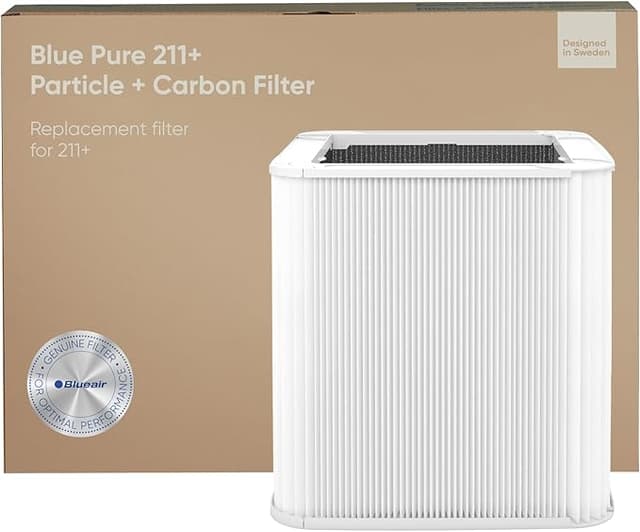
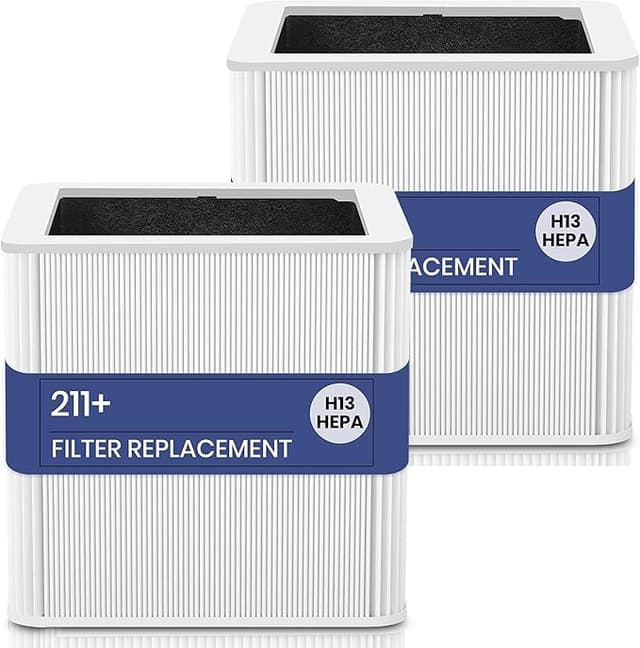
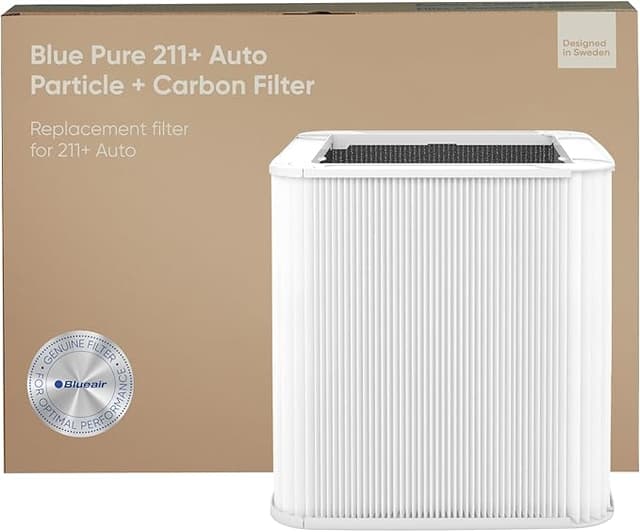
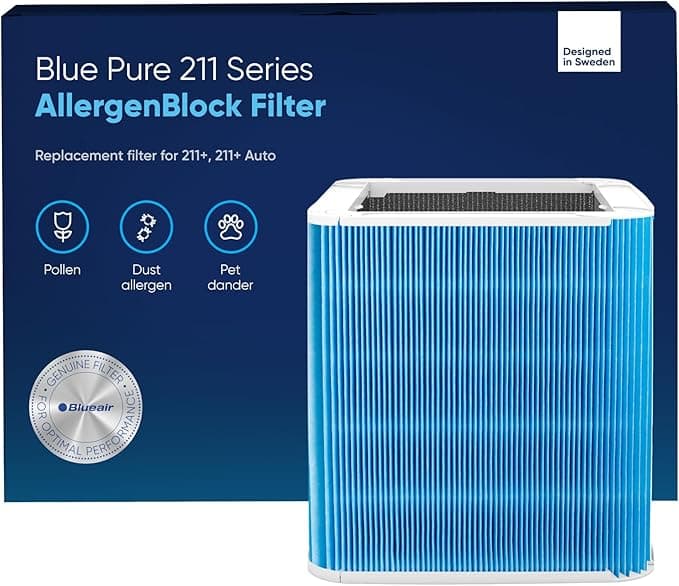
It was a Tuesday, my Blue Pure 211 had been flashing its filter light for a week, and I was standing there doing math I didn't want to do. The genuine Blueair Filter F in one hand. A compatible H13 version in the other, sitting at almost half the price. And the dumb little voice in my head going: it's a HEPA filter, the air your kid breathes, don't be cheap about this.
I bought the compatible one anyway. Not because I'm reckless — because I'd already burned myself once paying OEM money for a filter that, honestly, is a pleated sheet of media in a plastic frame. I wanted to know if the gap in price was a gap in the actual filter. So I ran it. Four months, my bedroom, the unit that's on basically every night. Here's what I actually found.
The price thing, with real numbers
The 211 is a great machine partly because it's simple — one filter, the F, and you swap it roughly every six months if you run it daily like I do. Genuine Blueair F filters land in the $40–50 range each time. The compatible H13 I bought was a hair over twenty bucks. Do that twice a year and the OEM path is something like $80–100 annually just in filters; the compatible route is closer to $45. Over the life of a unit you own for years, that's not nickels. That's a couple hundred dollars that stays in your pocket for doing the exact same job — pulling dust, pollen, and smoke out of a room.
And the "H13" part matters here, so I'll be specific: H13 is true HEPA, the real efficiency class, capturing down to 0.3 micron at 99.97%. The compatible filter I ran is rated to that same H13 spec. So I wasn't trading down a tier on the thing that actually counts. That was the whole reason I was willing to gamble the twenty bucks.
Does it fit? Yeah — with one note
Install on the 211 is about as easy as it gets, and the compatible filter respects that. You unplug the unit, lift the top fabric pre-filter and the old cartridge out, drop the new one in, snap the top back, then hold the button to reset the filter light. Two minutes, no tools, no swearing.
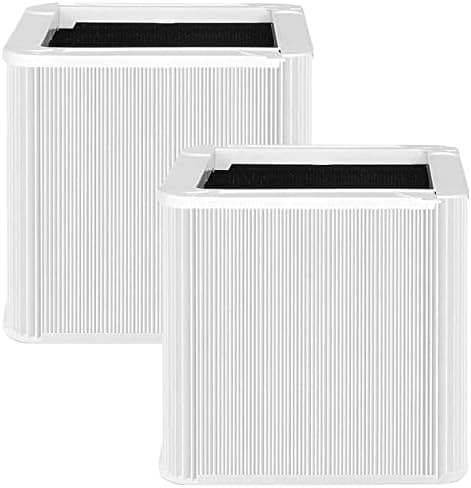
The note: the frame on the compatible one is a touch — a hair — looser than the genuine F. When you seat it, you don't get quite the same confident click against the housing that the Blueair gives you. It's not loose enough to leak air around the edges or rattle; once the top cap is on it sits put and stays put. But the first time I installed it I pushed it down twice just to be sure it was flush. If you're the kind of person who needs everything to feel machined and exact, the OEM frame feels a step nicer in the hand. That's a real difference. It's also one you stop thinking about ten seconds after the lid is back on.
How it actually performed
This is where I expected to find the catch, and mostly didn't. On clean air, it's a wash — I keep a cheap particulate meter on the nightstand, and the compatible filter pulled my overnight numbers down to the same low readings the genuine F did. Cooking smoke from the kitchen, the cat dander situation, the spring pollen that usually wrecks me — it handled all of it. My mornings got less stuffy, same as before.
Where it's a touch behind: I think the genuine F holds airflow slightly better deep into its life. Around month three the compatible one felt like the fan was working a bit harder on the higher speed to push the same air — the media loads up and resistance climbs a little sooner than I remember the OEM doing. Not dramatic. But if you run yours on max constantly, you might find yourself swapping a few weeks earlier than the full six months. Factor that into the savings if you're a heavy user; it still comes out well ahead.
The downside I want you to hear
Out of the bag, there's a faint plastic-and-new-media smell for the first two, maybe three days. Mine had it. It's the off-gassing of a fresh filter and packaging that's, let's be blunt, cheaper than Blueair's — thin plastic sleeve, no fancy box. I ran the unit on high with the bedroom door open for an afternoon and by day three I couldn't smell anything. If you're sensitive to that, give it a day to air before it's your overnight bedroom filter. After break-in, nothing — no odd smell on the output, no taste to the air.
Why none of this is something to be casual about
Here's the part where the cheap-versus-genuine debate actually has teeth, and it's not about the brand on the box. It's about not running a dead filter. An old, saturated cartridge in a 211 stops being a filter and starts being a problem — it's a loaded sponge of trapped dust and, if it ever got damp, a place where mold can take hold and then get blown back into the room. That's the real risk, and it's the same risk whether your filter cost $20 or $50. So the right move isn't "buy the expensive one and stretch it to nine months to feel justified." It's "buy the affordable one and actually swap it on schedule, because now you can afford to." Cheaper filters that get replaced on time beat a premium filter you babied past its life.
So who should buy what
If your 211 is under warranty and you're the type who'd blame an aftermarket part for any hiccup — or you just want that exact factory frame fit and don't mind paying for it — buy the genuine Filter F and sleep easy. No shame in it.
But me? I've now run the compatible H13 through two filter cycles. Same clean air, same easy install, one slightly looser frame and a couple days of break-in smell I'll never think about again. For roughly half the price, doing the identical job in the machine I trust my own sleep to — I'd buy it again. I already have.