Troubleshooting & Analysis
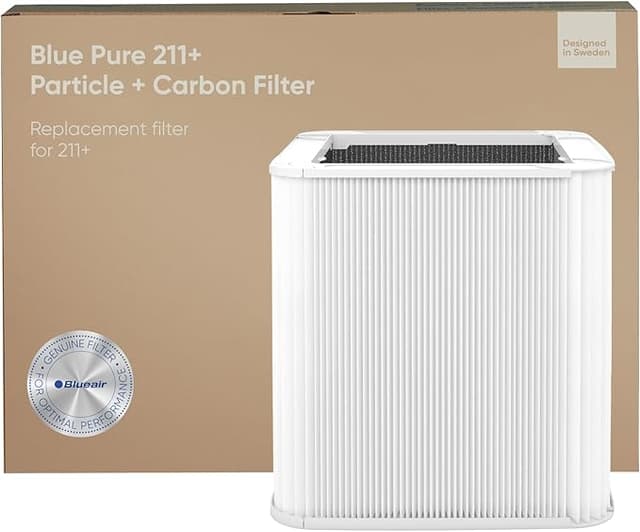
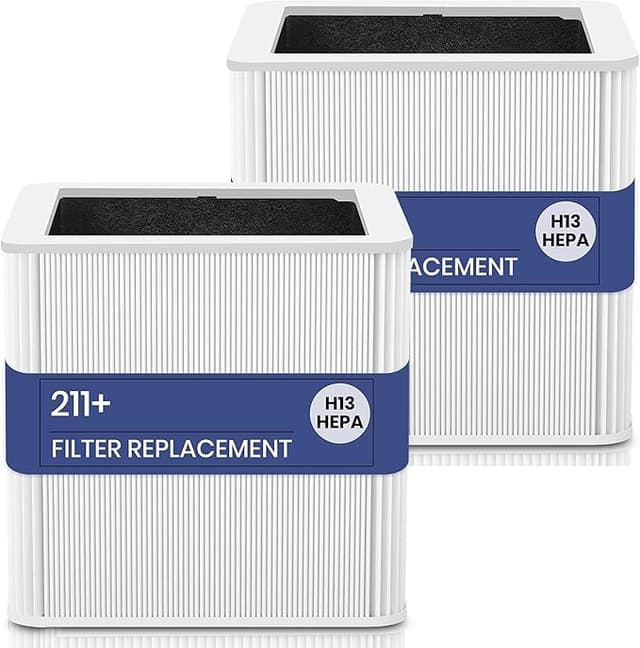
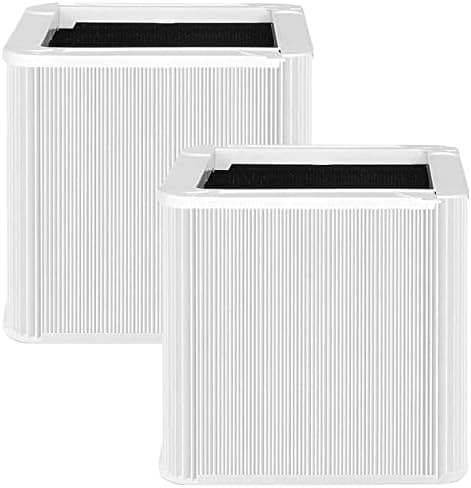
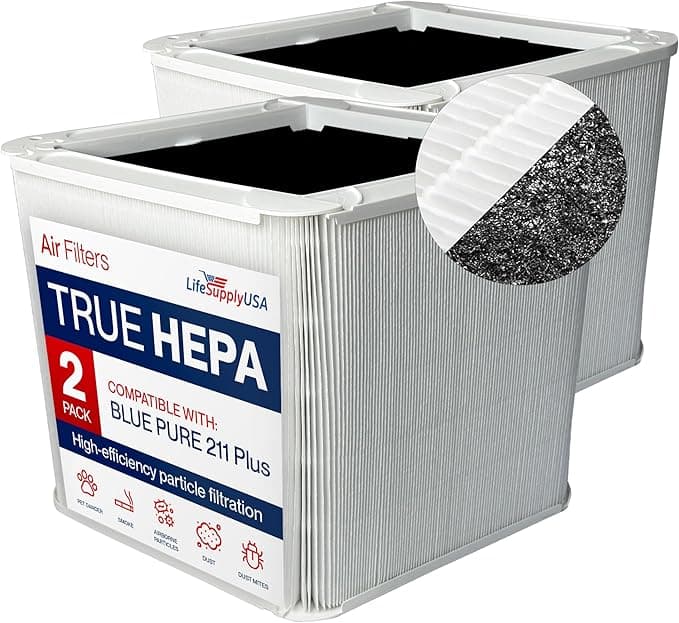
I had both filters sitting on my kitchen counter at the same time. The genuine Blueair replacement, still shrink-wrapped, $59 with tax. And the compatible Filter C I'd ordered on a whim, $27 shipped. Same pre-filter sleeve, same barrel shape, both claiming True HEPA. I stood there for a solid minute feeling dumb about it — because a thirty-dollar gap on a thing you swap two or three times a year adds up, but so does wrecking a $250 purifier or breathing through something that doesn't actually filter. I went with the cheap one. Here's what four months in my Blue Pure 211 actually taught me.
The math that made me even consider it
Blueair wants you on roughly a six-month replacement cycle for the 211, and the unit runs in my living room basically around the clock during allergy season. Two OEM filters a year at $55–60 each is $110–120. The compatible Filter C I keep buying runs $24–28, so call it $50–56 a year. That's about sixty bucks back in my pocket annually, and over the three or four years I'll keep this purifier, it's the difference between a filter habit and a small appliance. Sixty dollars isn't life-changing. But paying double for the identical job started to feel like a tax on not paying attention.
Does it actually fit the 211?
This is the part I was nervous about, because a HEPA barrel that sits a millimeter proud doesn't seal, and an unsealed filter is just decoration. The swap itself is nothing — you unplug the unit, lift the top grille and the fabric pre-filter sleeve off, pull the spent barrel straight up, drop the new one in, set everything back, and hold the button to clear the filter light. Two minutes, no tools.
The compatible barrel seated and the magnetic-ish click when the base meets the housing felt right. Honestly, fit was a non-issue here — the diameter and height matched the OEM closely enough that the pre-filter sleeve stretched over it the same way. If anything the cardboard end caps felt a touch firmer than the Blueair ones. I've seen people complain about loose fitment on off-brand barrels for other models; on the 211 specifically, this one was snug.
The downside nobody warns you about
For the first two or three days there's a faint plastic-and-new-cardboard smell when the fan kicks to high. Not chemical, not headache-inducing — more like the inside of a new shoebox. My OEM filters had a whisper of it too, but this was a notch stronger and lasted a day longer. I ran the 211 on speed three with a window cracked for the first evening and by day three I couldn't smell anything but room. If you're scent-sensitive or putting this in a nursery, run it a few hours before you need it clean. That's the real tradeoff, and I'd rather tell you than have you sniff it and assume you got a bad one.
The other small thing: the packaging is cheap. Thin poly bag, a sticker instead of a printed box. It works, the filter's protected fine, but it doesn't feel like the $59 product. Which — fair. It isn't one.
How it actually performs
This is where I expected to catch it slacking, and mostly didn't. The 211 pulls a lot of air, and with the compatible Filter C in it, my cheap particle meter dropped from the 40s down into single digits during cooking smoke about as fast as I remembered the OEM doing. Pollen weeks, same story — I wake up without the morning sneeze-fest that's my personal air-quality test. The H13-grade media is genuinely fine dust territory, and on the stuff you care about in a bedroom or living room, I couldn't feel a difference in the room.
Where it's a hair behind: I think the OEM media holds up a little longer at the back third of its life. Around month five my compatible barrel seemed to lose a touch of pull before the OEM would have, and the pre-filter looked grayer faster. Not dramatic. But if you push a filter to eight or nine months instead of six, the OEM probably ages more gracefully. I just swap on schedule, so it never mattered to me.
Why you can't just ignore a tired filter
Worth being blunt about: a saturated HEPA barrel isn't neutral. Once the media is packed with months of dust, pollen, and kitchen grime, airflow drops and the trapped organic gunk can start to grow — and a purifier full of that is quietly pushing the problem back into your room instead of pulling it out. That's the actual reason the replacement interval exists, OEM or compatible. Cheaper filters are only a deal if the lower price makes you more willing to swap on time, not less.
Who should buy OEM instead
If your 211 is under warranty and you're the type who'd fight a denied claim, stick with Blueair — some warranties get cranky about third-party parts, and the $30 you save isn't worth a coverage argument on a unit you just bought. Same if you're scent-sensitive enough that a couple days of shoebox smell is a dealbreaker, or if you genuinely stretch filters way past their interval and want the slower-aging media.
For everyone else — and that's most of us running a 211 as a daily room purifier — the compatible Filter C does the same job, seats the same way, and clears the same smoke and pollen for about half the price. I've now bought it three times. Look, I went in expecting to write a "you get what you pay for" warning. Instead I keep reordering the cheap one, because it cleans my air and leaves sixty bucks a year where it belongs. For a swap I do twice a year, that's an easy call.