Troubleshooting & Analysis
I didn't believe a $20 filter could be fine either
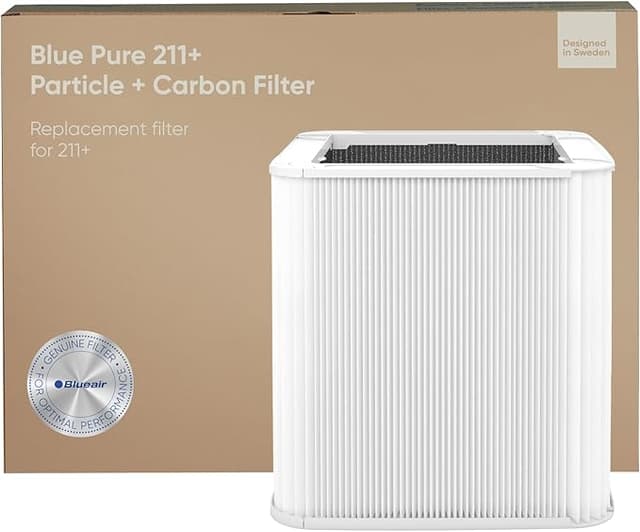
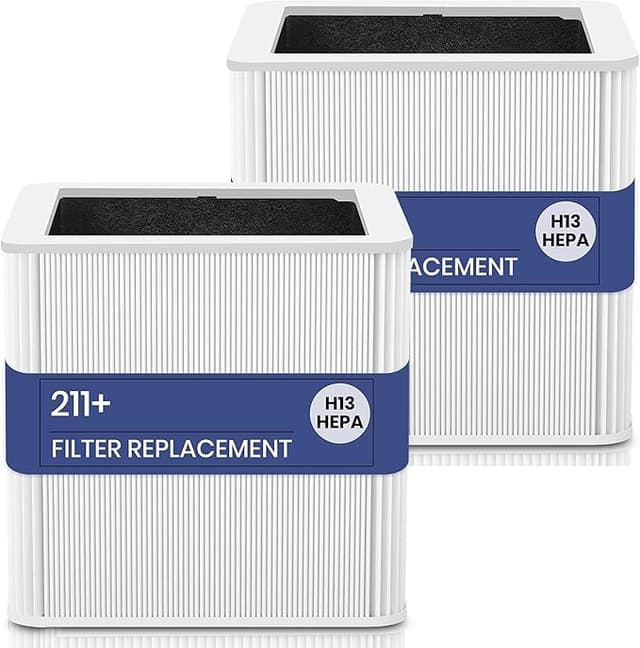
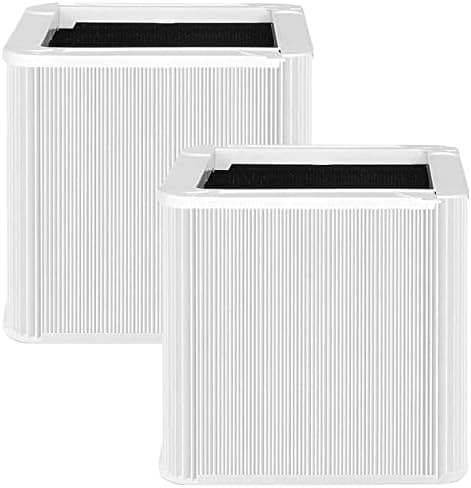
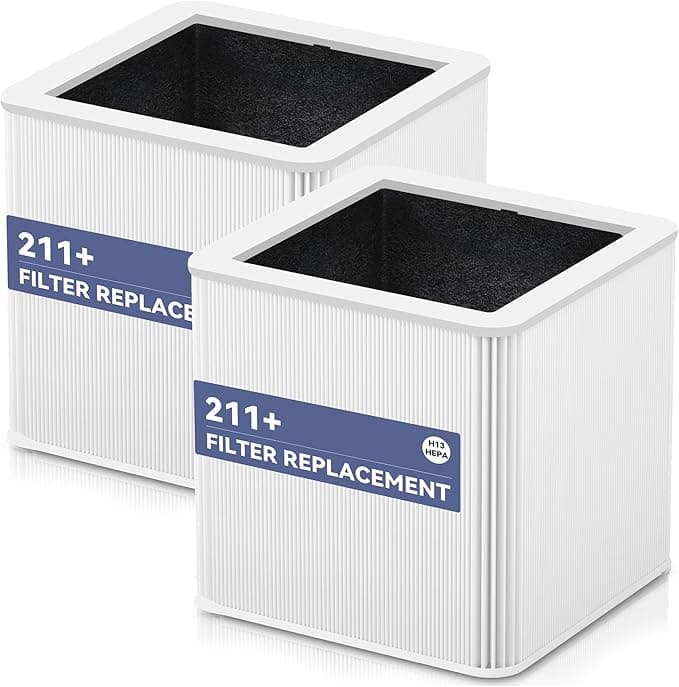
Let me be straight with you. The first time I saw a compatible Filter C for my Blue Pure 211 sitting at twenty-four bucks next to the real Blueair one at fifty-five, my gut said scam. Half price for "True HEPA H13"? Either the OEM is gouging me or the cheap one is lying about what's inside it. I'd been burned before by a no-name fridge filter that fit like it was carved by someone who'd only heard a fridge described over the phone. So no — I didn't trust it. I bought one anyway, mostly to prove myself right and write it off as a lesson.
I've now run that doubted little filter in my bedroom 211 for about five months. Here's what actually happened.
The money, because that's why you're here
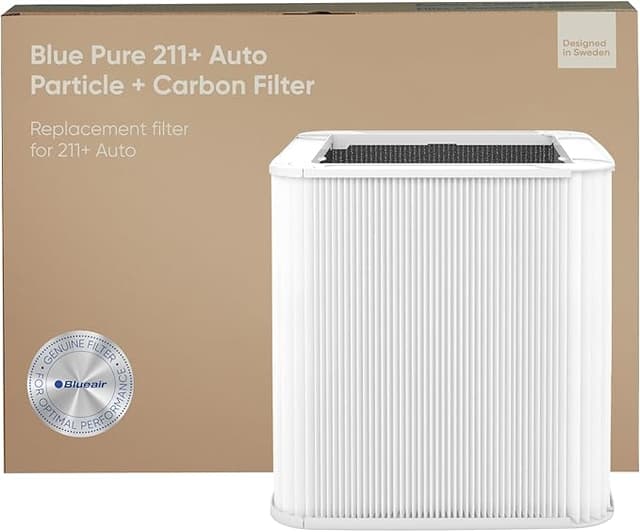
Blueair sells the genuine particle + carbon filter for the 211 in the neighborhood of $50–60 depending on the week. The compatible Filter C I grabbed was $24. Blueair recommends swapping roughly every six months with normal use, so call it two a year. That's $48 a year on the compatible side versus $100–120 on OEM. Over the three-or-four-year life most people keep one of these units, you're looking at a couple hundred dollars of difference — for a part that, mechanically, does the exact same job: pull air through a pleated HEPA media and a carbon layer and push it back out cleaner.
When the gap is that wide, "it's basically the same" stops being a guess and starts being something I wanted to verify with my own nose and my own eyes.
Does it actually seat right?
This was my real worry. The 211's whole design is dead simple — you pop the fabric pre-filter sleeve, lift the top, the old cylinder comes out, the new one drops in. Four steps, no tools: unplug it, pull the spent filter, set the new HEPA in, hold the button to reset the light. On the Blueair original, that drop-in is glove-snug. The compatible one? It went in, it sat flat, the top clicked back down without a fight. But — and I promised you honesty — the foam gasket ring on the top edge was a hair thinner than OEM. Not loose, not whistling, not letting air sneak around the side. Just visibly a little less plush when I had both in my hands. After a few minutes seated under the weight of the lid, you couldn't tell. It's the kind of thing you only notice because you're looking for a reason to send it back.
The honest downside
Two things. First, that plastic-and-glue smell out of the bag. The first two, maybe three days, there was a faint new-filter odor — think the inside of a new shoebox — riding on the airflow. It faded completely by day four and never came back, but if you're sensitive to that, run the unit on high for an evening before you sleep next to it. The OEM filters do this too, honestly, just a touch less.
Second, the packaging is cheap. Thin poly bag, a sticker, a folded slip of instructions with one slightly-off translated line. It showed up a little compressed on one end and I had to gently round the pleats back out with my fingers before it sat true. Cosmetic. The media itself was clean and even. But if a flimsy bag makes you nervous about what's inside, I get it — it made me nervous too, right up until I tested the thing.
How it actually performs
I keep a cheap particle meter on the nightstand — not lab gear, just a consumer PM2.5 reader. With the genuine filter, my room would settle from the 30s down into low single digits within about twenty minutes on medium overnight. With the compatible Filter C, I got the same low single digits, just maybe a couple minutes slower to get there. Cooking smells and the dog both cleared at a pace I honestly couldn't separate from the original. Five months in, airflow hasn't dropped off and the carbon's still pulling its weight on odor.
Where OEM still has an edge: longevity feels a touch shorter. I suspect I'll get closer to five months of strong performance out of this one than a full six. At $24 a pop, I genuinely do not care.
Why you can't just ignore the swap date
One thing I won't soft-pedal, OEM or compatible: a filter you leave in too long quits being protection and becomes the problem. A loaded HEPA holds everything it caught — dust, dander, and worse, any moisture-fed mold that took up residence in the media. Run that past its life and your 211 is just blowing yesterday's trapped junk back into the room. Cheap filters make this temptingly easy to ignore because they're cheap, so set a phone reminder. The whole savings argument falls apart if you stretch one to a year out of thriftiness.
So, who should buy what
If your 211 is in a nursery, or someone in the house has serious respiratory issues and you want the manufacturer's exact validated spec with zero asterisks — pay for the Blueair original and sleep easy. That's a real reason, not a marketing one.
For everyone else — a bedroom, a living room, a home office, normal air, a normal budget — I run the compatible Filter C and I'll buy it again. I already have, twice. It fits, it cleans the air to numbers I can't distinguish from OEM, and it does it for less than half the price. I came in expecting to catch it cutting corners. Five months later the only corner it cut was off my filter bill.