Troubleshooting & Analysis
The smell hit me before the alarm did
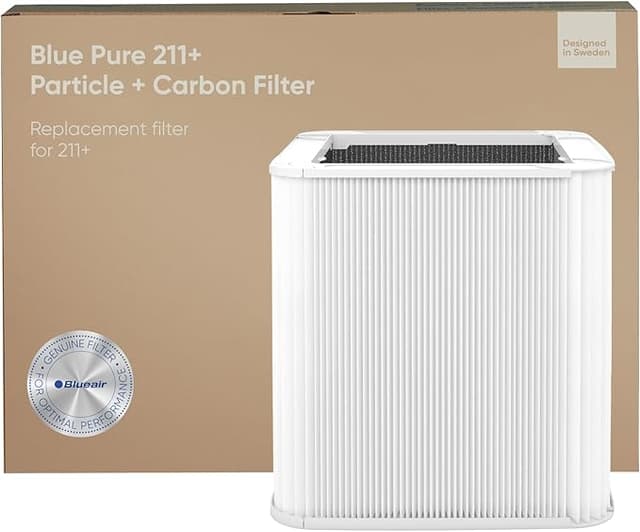
I noticed it on a Tuesday — that wet-cardboard, slightly sour thing in the corner of my bedroom where the Blue Pure 211 sits. I'd been running the same Filter C for, honestly, way too long. Past a year. The fabric pre-filter sleeve still looked fine from the outside, so I'd talked myself into "it's probably okay." It was not okay. When I finally pulled the filter out, the pleats were packed gray-brown and the bottom edge had a faint fuzz of something I didn't want to look at too closely. That's the part nobody tells you: a saturated HEPA filter doesn't just stop cleaning your air. It starts feeding it back to you. Trapped mold and dust don't sit there politely — given enough humidity, they multiply, and your purifier quietly becomes the dirtiest object in the room.
So I needed a replacement that day. And standing there with the gunky old one in my hand, I did the math I'd been avoiding.
The price gap that made me try the cheap one
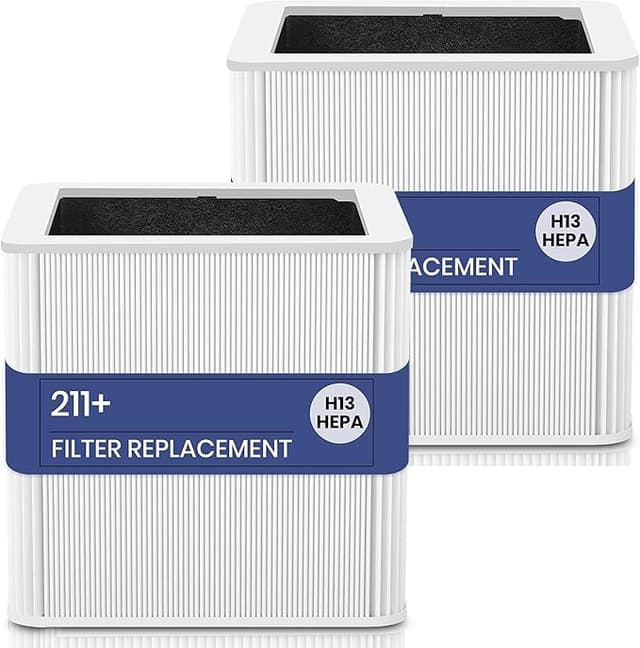
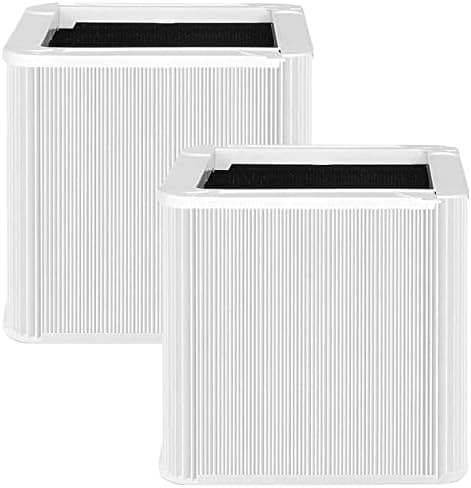
The Blueair-branded Filter C runs me right around $40 every time, sometimes $44 with shipping if I'm not paying attention. Blueair recommends swapping roughly every six months if you run it most of the day, which I do. That's two filters a year — call it $80 to $88 — for one little purifier in one bedroom. The compatible Filter C I bought instead was $21. Two of those a year is $42. I'm keeping somewhere around $45 a year in my pocket per unit, and I've got two of these things running in the house.
I'll be straight with you: I did not trust it. A True HEPA filter at half the price sets off every "what's the catch" instinct I have. So I treated the first one like a test.
Does it actually fit the 211?
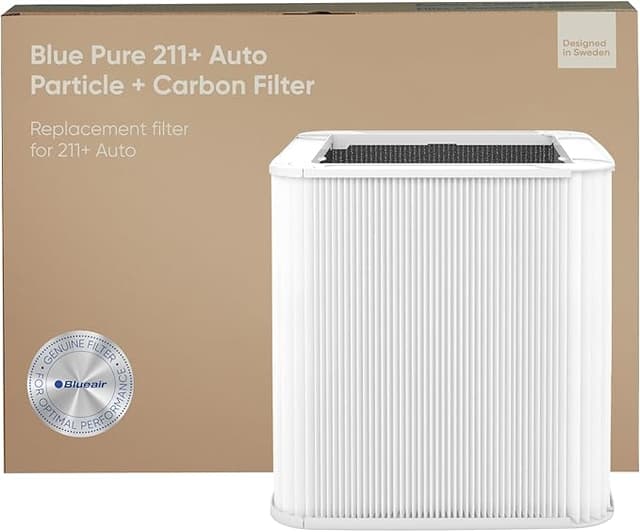
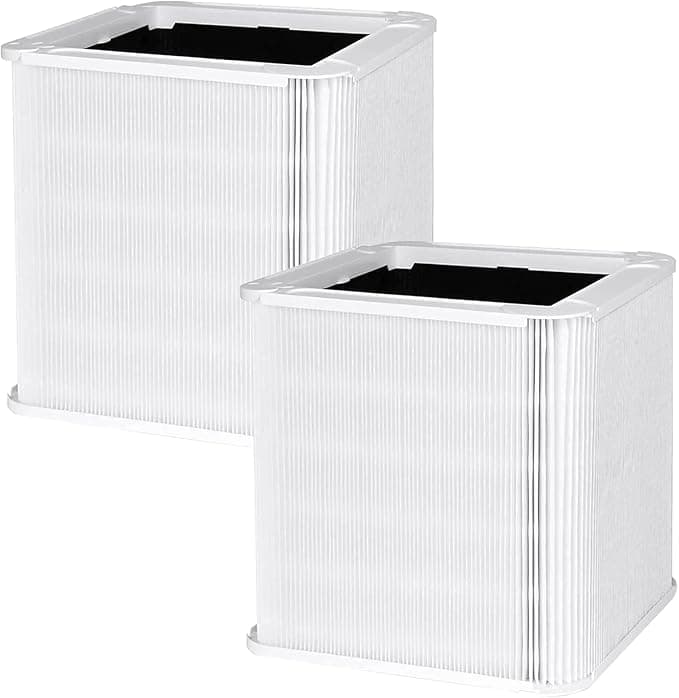
The 211 install is almost stupidly simple, which is half of why I like this machine. I unplugged it, popped the magnetic top off, lifted the old filter straight up by the cardboard ring, and dropped the new one in. The compatible cylinder seated flat against the base on the first try — no shimmying, no forcing the top back down. It clicks closed the same way the OEM does. Then you hold the button to reset the filter light and you're done. Maybe ninety seconds, most of which was me scrubbing the inside of the housing because, again, mine was disgusting.
One small thing on fit, since I promised to be specific: the cardboard ring on the compatible unit felt a touch thinner than the Blueair one. Not loose — it sat snug — but you can feel the difference if you handle both back to back. After three months it hasn't sagged or shifted, so I've stopped worrying about it. But that's the kind of corner that gets cut at $21, and you should know it's there.
How it actually performs
This is the part I cared about most. The 211 moves a lot of air for a cheap-looking blue box, and a bad filter would either choke that airflow or just not catch much. Neither happened. On high, the airflow out the top feels the same as it did with the genuine filter — I literally held my hand over it on both. The H13 media grabbed the cat dander and the cooking haze from the kitchen down the hall about as well as I remember the OEM doing; my partner's morning allergy sneezing dropped back to its usual near-nothing within a couple of days of swapping in the fresh one.
Where's it a hair behind? Two places, and I'll name them.
- The first three days, there was a faint plastic-and-glue smell when the unit ramped up to high. Not chemical-scary, just new. It aired out completely by day four and hasn't come back. The OEM had a milder version of this too, to be fair, but the compatible one was a step stronger out of the bag.
- The packaging is bare-bones. The Blueair filter comes in a clean printed box; this showed up in a thin plastic sleeve inside a brown carton. Cosmetic, sure. But if you're the type who feels reassured by nice packaging, you won't get it here.
Who should skip it
I'm not going to pretend the compatible filter is for everyone. If your 211 is still under the Blueair warranty and you're worried a third-party filter could give them an excuse to deny a claim, buy the genuine one for now — it's not worth the fight over forty bucks. Same if someone in the house has serious respiratory issues and your doctor told you to stick with the manufacturer's exact spec. In that situation I'd pay the premium and not blink.
And whatever you buy — OEM or this — please don't do what I did and ride a filter past its life. The money you save going compatible only matters if you actually swap on schedule. Set a reminder for the six-month mark. A clean cheap filter beats an old expensive one every single time.
The verdict
Look, I went in expecting to catch this thing failing. Three months and one fully tested filter later, it fits the Blue Pure 211 right, it pulls the same air, and it cleared my house's usual triggers without drama. The downsides are real but small: a slightly thinner cardboard ring, a two- or three-day break-in smell, ugly packaging. For roughly $45 a year saved per unit, doing the same job, I bought a second one for my other purifier — and I'll buy them again when these run out. That's the most honest endorsement I've got: I'm spending my own money on it twice.