Troubleshooting & Analysis
Sixty-five dollars. For a folded sheet of pleated paper and a sleeve of carbon.
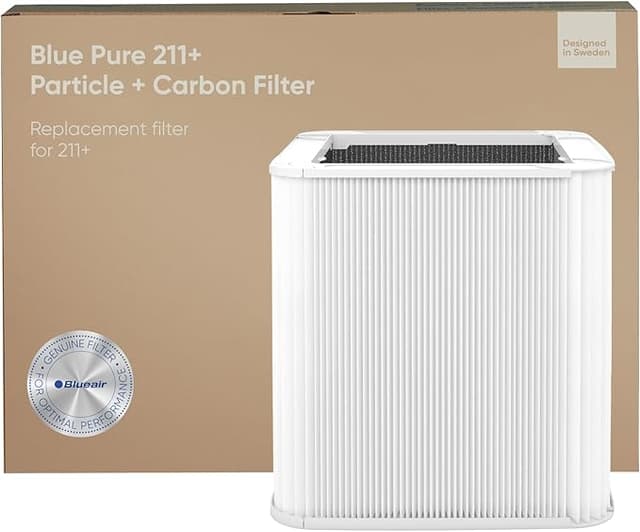
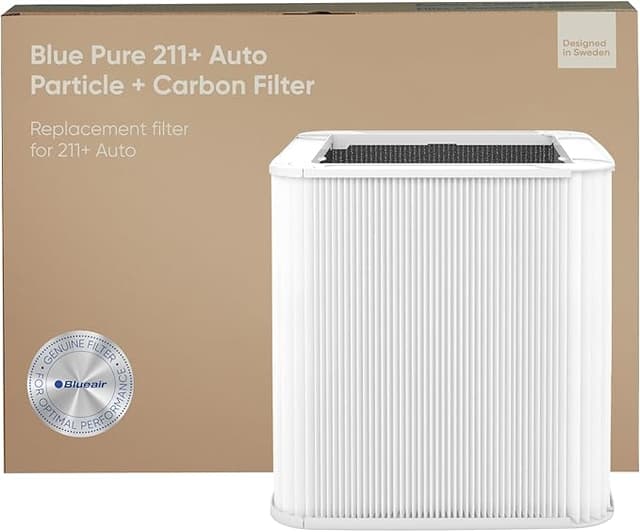
That was the number that stopped me. I'd had my Blue Pure 211 running for the better part of a year — the chunky one that looks like a fabric-wrapped trash can in the corner of my living room — and the little reminder told me it was time. So I went to reorder the genuine Blueair filter. Sixty-five bucks, plus the wait. And I just sat there doing the math, because this thing wants a fresh filter roughly every six months. Call it $130 a year to keep one air purifier breathing. I have two of these units.
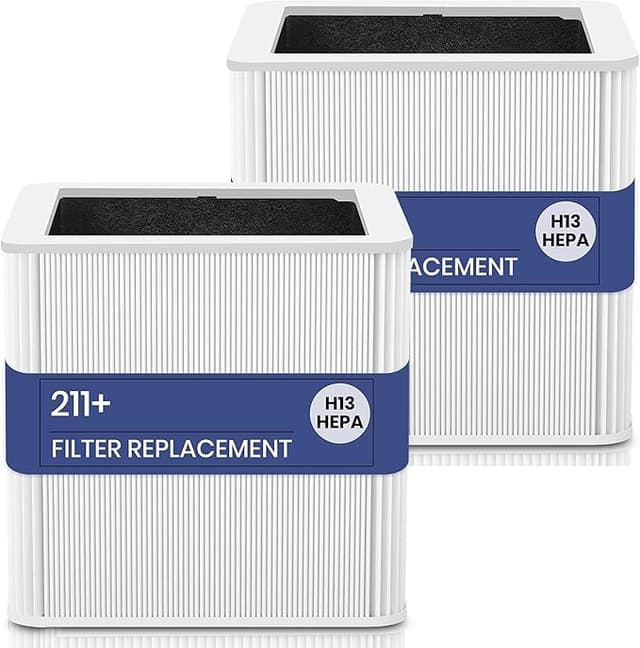
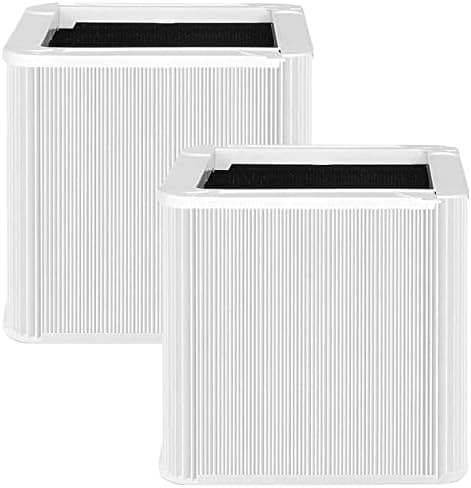
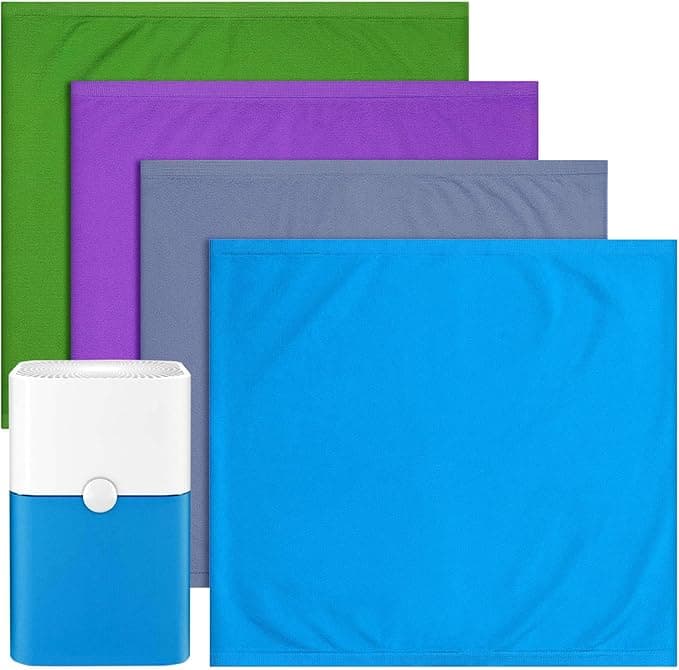
So I did the thing I'd been too nervous to do for years: I bought the compatible one instead. Around thirty dollars, True HEPA H13, same shape, same carbon pre-filter wrap. Half the price. And I want to tell you exactly how that went, the good and the annoying, because I know you're standing at the same fork I was.
The money, laid out plainly
Here's the gap that matters. OEM: roughly $55–65 a pop. The compatible H13 I bought: right around $30, sometimes less in a two-pack. Run the 211 the way Blueair actually recommends — swap every six months in a normal home, sooner if you've got pets or you're in a wildfire-smoke region like I was last August — and you're looking at two filters a year per machine.
- OEM path: ~$120–130 a year, per unit.
- Compatible path: ~$60 a year, per unit.
For my two units that's the difference between $250-ish and $120-ish annually. Over the life of the machines, the filters cost more than the purifiers did. That's the part nobody mentions when you buy these things.
Does it actually fit?
This was my real fear. The 211 is a tube — the filter is a cylinder that slides up inside the fabric pre-filter, and if the diameter or height is off even a little, it either won't seat or it leaves a gap where unfiltered air sneaks past. So I treated the first swap like a test.
Install is genuinely four steps and it's hard to mess up. Unplug it. Pull the top grille and lift the old filter straight out. Drop the new H13 cylinder in. Reset the light — on mine that's a press-and-hold until it blinks. The compatible filter slid in and seated with that same soft thunk the original had. No forcing, no shimming.
Honest note, though: the seam where the pleated media meets the end caps felt a hair less rigid than the Blueair original. Not loose, not gappy — I checked the seal by running my hand around the top edge with the fan on high, and I couldn't feel air escaping the sides. But if you held both filters side by side, you'd say the OEM one was built a touch sturdier. It is what it is at half the price.
How it actually performs
I run a cheap particle meter in that room — nothing lab-grade, just a consumer PM2.5 reader I trust for relative numbers. With the OEM filter, cooking dinner would spike the room reading and the 211 would pull it back down to baseline in roughly fifteen, twenty minutes on auto. With the compatible H13 in there? Basically the same curve. Maybe a couple minutes slower to fully bottom out, and honestly that could be measurement noise. On smoke days it cleared the room. On cat-dander days it kept my eyes from itching. That's the test that counts to me.
The carbon wrap on mine knocked down cooking smells about as well as the original did for the first few months. Where I'd say the OEM has a slight edge is longevity of that carbon layer — by month five the compatible one wasn't grabbing odors quite as aggressively as it did new. So I just swap a little earlier. At thirty bucks, swapping at five months instead of six still wins on cost, easily.
The downside I have to be straight about
First two or three days, there was a faint plastic-and-new-carbon smell when the fan ramped up. Not chemical-bad, more like new-product off-gassing. I ran the unit on high with a window cracked for an afternoon and it was gone by day three. The OEM filters do a little of this too, but the compatible one was more noticeable at first. If you're sensitive to smells, give it that break-in window before you judge it.
The packaging is also just… cheap. Thin plastic sleeve, a sticker label. Don't expect the tidy Blueair box. It doesn't affect the filter, but it's the kind of thing that makes you second-guess at the doorstep. The filter inside was fine.
Why I don't let mine run long past due
Quick reality check that applies to either filter: a saturated HEPA isn't just "less effective." Once the media is loaded and the carbon is spent, that filter is sitting there holding everything it caught — and in a humid room it can start growing the stuff you bought the machine to remove. A clogged filter chokes airflow, the motor works harder, and you're now circulating air past a dirty sponge. So whatever you put in there, swap it on schedule. The low cost of the compatible filter is exactly what makes me actually do that instead of stretching one to nine months to save money.
So who should buy what
If you've got a respiratory condition where you need the absolute tightest validated seal and you don't care about the cost — buy the OEM, sleep easy, no argument from me. Same if you genuinely can't be bothered to swap a little earlier.
But for me, in a normal home, wanting clean air without paying a premium twice a year? I've now bought the compatible H13 for both my 211s, three swaps in, and I'd do it again tomorrow. It fits, it clears the room, it costs half. The looser frame and the brief break-in smell are real — and they're not enough to send me back to a sixty-five-dollar filter doing the same job. That's the honest verdict.