Troubleshooting & Analysis
Sixty-five dollars. For a filter. In a $300 box of plastic.
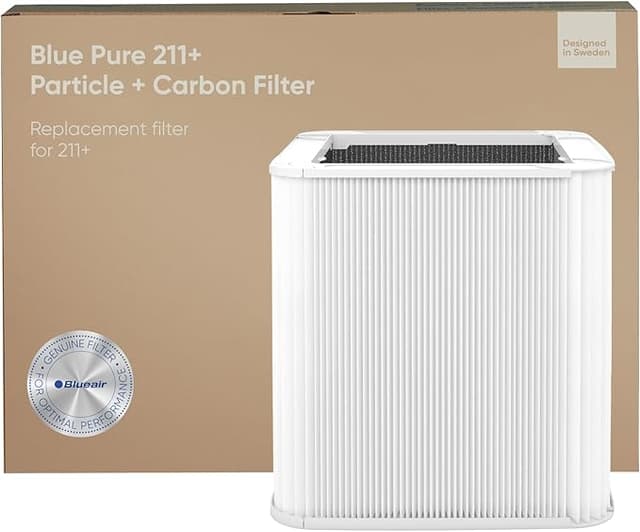
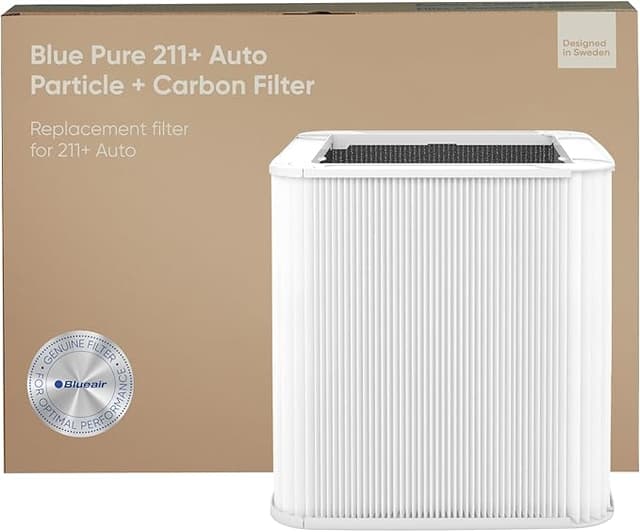
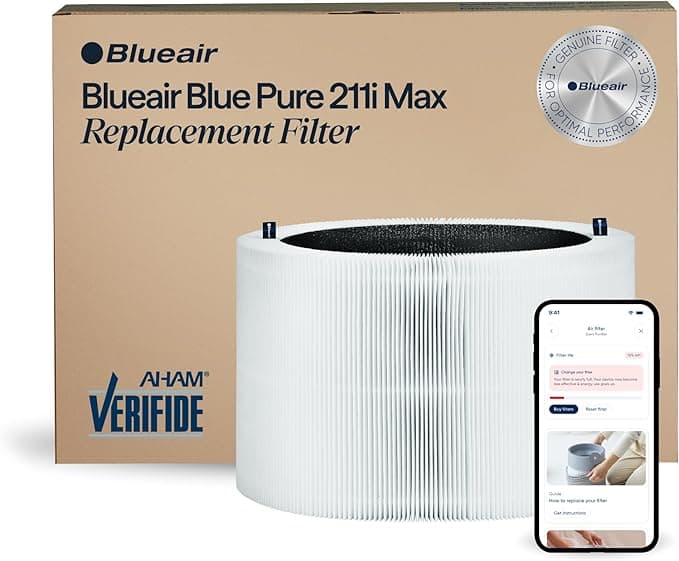
That's what stopped me the first time my Blue Pure 211 started smelling like a wet basement and I went looking for a replacement. The Blueair-branded HEPA combo filter wanted somewhere in the $55–65 range, and I remember just sitting there with the tab open thinking — really? It's a folded sheet of pleated media and a carbon wrap. I run this thing year-round in a big open living room, which means I'm swapping the filter roughly every six months. Do that math out loud: a hundred-plus bucks a year to keep a purifier I already paid for from turning into a science experiment.
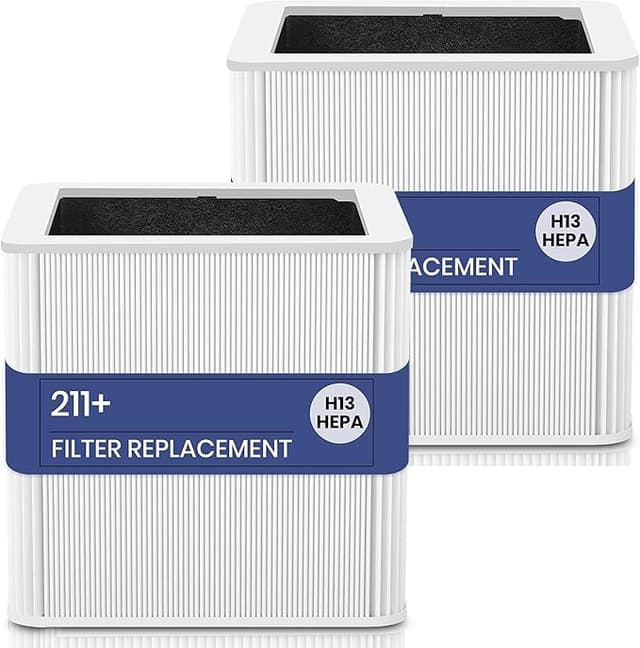
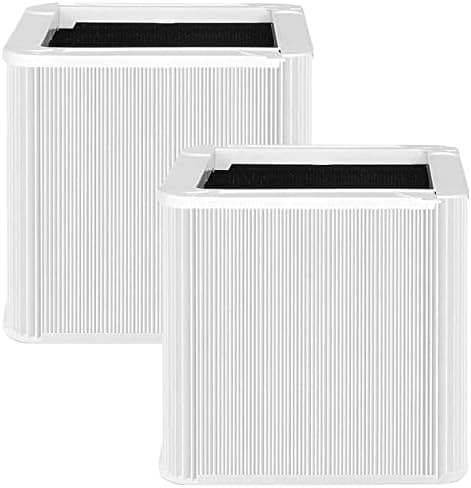
So I did the thing I always end up doing. I bought the compatible one instead. Ours runs about half — True HEPA H13, same pleated-plus-carbon build — and I've now had it spinning in that 211 long enough to actually tell you whether it was a mistake. It wasn't. But let me give you the honest version, downsides and all, because a review that's all sunshine is worthless to you.
The price gap isn't a rounding error — it's the whole story
Two filters a year. OEM puts you north of a hundred dollars annually just to keep the machine doing its one job. The compatible H13 cuts that roughly in half. Over the life of a purifier you'll keep for five, six years, that's the difference between "this thing paid for itself" and "why do I keep feeding it." And the kicker is the media grade is actually higher than what people assume the cheap option means — H13 is the real True HEPA tier, the 99.95% class. You are not buying down on filtration. You're buying down on the logo.
Does it actually fit the 211?
This was my worry too, honestly. The Blue Pure 211 has that wrap-around design where the pre-filter sleeve hugs the cylindrical HEPA core, and if the diameter's off even a little, the whole thing fights you. Install on this one is genuinely four steps and I'm not padding the count: pull the plug, lift the old filter out of the housing, drop the new H13 in, then hold the reset until the light clears. That's it. The new filter seated with that same firm settle the original had — no wobble, no gap at the top lip where unfiltered air could sneak past.
Now the honest nitpick. The frame on mine ran a hair tighter than OEM going in — I had to give it a small twist to line the seam up, where the Blueair one practically falls into place. Ten extra seconds of fiddling, not a defect. Once it's in, it's in. And there's the smell thing I always warn people about: the first two or three days it gives off a faint new-plastic-and-carbon odor on startup. Mine aired out by day three and I haven't caught it since. If you're scent-sensitive, run it on high near an open window the first afternoon and you'll skip the whole annoyance.
How it actually performs
Day to day? I genuinely can't tell it apart from the OEM filter on the things that matter. Cooking smoke from a pan I left too hot — gone at the same pace it used to clear. The cat-dander haze that builds up by evening, handled. I keep a cheap particle reader on the shelf next to it out of paranoia, and the numbers it pulls down to overnight are right in line with what the branded filter did. The carbon layer on the sleeve does real work on odors, which is the part cheaper knockoffs usually skimp on — this one doesn't.
Where's it a touch behind? Two small things. The packaging is plain — a bagged filter in a thin box, none of the branded presentation, which tells you exactly where they saved money (and it's not in the media). And the pre-filter sleeve fabric feels a shade thinner than Blueair's. Hasn't mattered for fit or function, but if you're the type who reuses and washes that sleeve a dozen times, the OEM one might outlast it. For most people swapping the whole unit twice a year, irrelevant.
Why you can't just stretch a dead one
Quick word, because it's the one place I get serious. A saturated filter doesn't just stop cleaning — it flips. All that captured gunk, and in a humid room the mold and bacteria that can colonize a packed filter, start getting pushed back out into the air you breathe. Your purifier quietly becomes the dirtiest thing in the room. The reason the cheaper filter is the smart call isn't just price; it's that an affordable filter is one you'll actually replace on schedule instead of nursing a clogged one for an extra three months to dodge the OEM bill. The $20 filter you change is worth more than the $60 one you don't.
So — who should skip this?
If your 211 is under a warranty that fine-prints "OEM filters only," buy the Blueair one and keep your receipt. Same if you're the kind of person who'll lie awake over a non-branded part in a bedroom unit — your peace is worth more than the savings, no argument from me.
Everybody else? I've run this H13 in my own living room through a full smoke season and a sneezy spring, and when the light comes on again I'm reordering the compatible one without a second thought. Same air, half the cost, and a machine I'm not afraid to actually maintain. That's the whole pitch — I just lived it first so you don't have to gamble.