Troubleshooting & Analysis
The click was the first thing that told me it'd be fine
I'd been bracing for the new water panel to flop around in the slot. That's the thing you worry about with a generic — that the frame's a millimeter off and you spend ten minutes wedging it in. Instead it seated with that same dry cardboard-and-plastic snap the genuine Aprilaire panel makes when it drops home. One push, the little tab caught, done. I stood there for a second almost disappointed it was that easy.
That was October, my furnace humidifier's first panel swap of the season. I run an Aprilaire bypass unit feeding the whole-house return, and I've gone through enough of these to have opinions. For years I bought the genuine panels because the label scared me into it. Then I did the math on what I was actually paying.
What the OEM costs, and what made me stop buying it
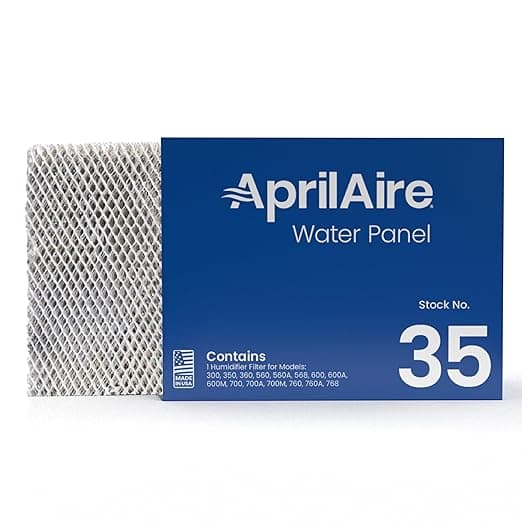
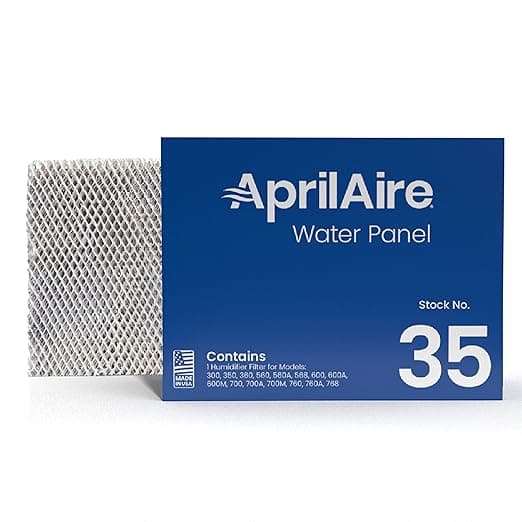
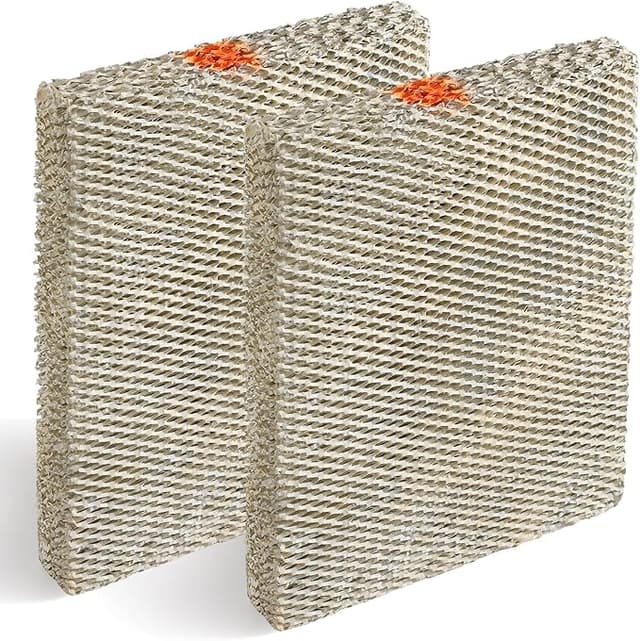
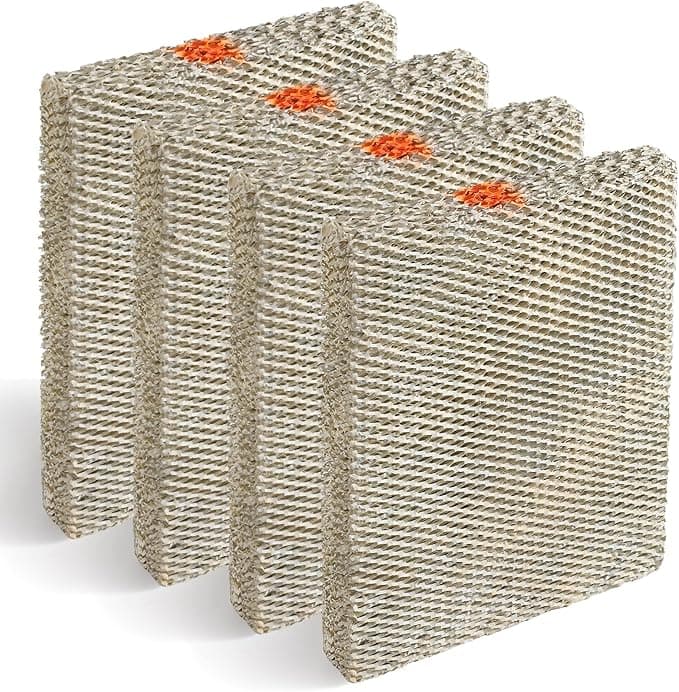
A single genuine Aprilaire water panel — the Model 35 type that fits the bigger M-series units — runs me about $24 at the local supply house, sometimes $28 if I forget to order ahead and grab one off the shelf at a big-box store. The generic equivalents I've been buying come in around $12 a panel, and if you buy them as a two- or three-pack the per-panel price drops closer to $9.
Here's the part that actually changed my behavior. These aren't a once-every-few-years filter. A humidifier water panel is sacrificial — mineral-laden water trickles over it all winter and it crusts up. I replace mine at the start of every heating season, and if my water's been especially hard, again mid-winter. So I'm not saving twelve bucks once. Over a few seasons, buying two panels a year, the gap between genuine and generic is real money — call it a forty-to-fifty-dollar swing across the life of the humidifier that I'd rather keep. Same job. Water hits it, evaporates, the panel wicks. There's no electronics, no secret coating I'm missing out on.
Fit and install: where the generic earns or loses your trust
The install is genuinely simple, and the generic didn't add any friction. I shut the humidifier off and killed power to the furnace first — not optional, you don't want the blower kicking on while your hands are in the cabinet. Popped the access cover off the front of the housing (mine clips; some models have a couple of screws). The old panel slides out of its plastic distribution tray. You'll see right away why it needed changing — mine looked like a chalk tablet, white scale packed into the corrugations until water couldn't wick through anymore.
One thing the guides don't stress enough: water panels have an up. There's usually a colored stripe or an arrow and a "this side toward air flow" marking. The generic I bought had the marking printed, which honestly I half-expected it to skip. I dropped the new one in with the stripe up, snapped the tray back, reseated the cover. Powered everything back on. Five minutes, maybe six because I stopped to vacuum the gunk out of the tray while I had it open.
The fit was true. Not "good enough" — true. Same height, same width, sat flat in the tray without bowing.
The honest performance take
My humidity readout is the only judge that matters here, and across the winter the generic held the house in the same 38–42% range the genuine panel did. No measurable drop in how fast it recovered after a cold snap. The wicking material looks and feels like the real thing — same stiff, kraft-colored honeycomb.
Where it's a touch behind: longevity, slightly. On my hard water, the genuine Aprilaire panels seemed to go maybe two or three weeks longer before they crusted to the point of needing a swap. With the generic I found myself changing it a hair sooner the one winter my water was at its worst. But at half the price, swapping a little more often still comes out way ahead — I'd have to replace the generic nearly twice as often to lose the savings, and it's nowhere near that.
The downsides — and there are a few real ones
Let me be straight, because a review with no complaints is a useless review.
First, the smell. The first day after install, with the furnace running and air moving over a brand-new panel, there's a faint papery, slightly glue-ish smell for an hour or two. It's the fresh material drying out. It cleared by the next morning and I never noticed it again, but if you've got a sensitive nose you'll catch it that first evening. The genuine panels do this a little too, honestly, just less.
Second, the packaging is cheap. The generics show up in a thin plastic sleeve, sometimes with a slightly dinged corner on the cardboard frame from shipping. None of mine were damaged enough to matter — a bent corner on a part that's about to get soaked and thrown away in a few months isn't a dealbreaker — but it doesn't have the tidy boxed feel of the brand-name part. If presentation matters to you, this'll bug you a little.
Third, and this is the one to actually weigh: quality control across generic brands is less consistent than the OEM. The batch I bought was dead-on, but I've read enough to know not every seller's panels measure identically, and a panel that's slightly off in thickness can sit loose in the tray and let water channel down one side instead of soaking through. Mine didn't. But that's the gamble you're taking for the lower price — buy from a seller with a real return policy and check the fit the moment it arrives, not in November when you're scrambling to keep the house from drying out.
Why you can't just skip the swap
Worth saying plainly, because it's easy to let this slide: a crusted-over panel isn't just inefficient, it's a problem. Once scale blocks the wicking, water either stops evaporating — so your house goes bone-dry and you get the static shocks and cracked-lip winter — or it starts pooling and channeling where it shouldn't. Standing, stagnant water in a warm cabinet is exactly where you don't want biological growth setting up shop, and that's air your whole house breathes. The panel is cheap insurance. At $12 there's genuinely no excuse to run a dead one into spring.
The verdict
Who should still buy genuine? If you've got a brand-new unit under warranty and you're the type who wants zero argument should a tech ever show up, stick with the labeled part for now — not worth the headache of a warranty dispute over a few dollars. And if your water is brutally hard and you've had bad luck with off-brand fit before, the OEM's slightly better consistency might be worth the premium to you.
Everybody else: I grab the generic, and I have, season after season. It seated with the same click, held my humidity in the same range, and cost me about half. The plastic smell faded overnight and the cheap sleeve went in the recycling. For roughly $12 against $24, doing an identical job, I'm not paying double for a sticker. I'd buy it again — and the stack in my utility closet says I already did.