Troubleshooting & Analysis
Two boxes on the workbench, one decision
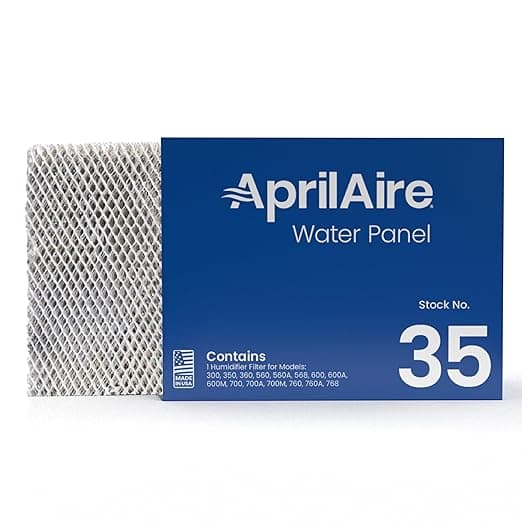
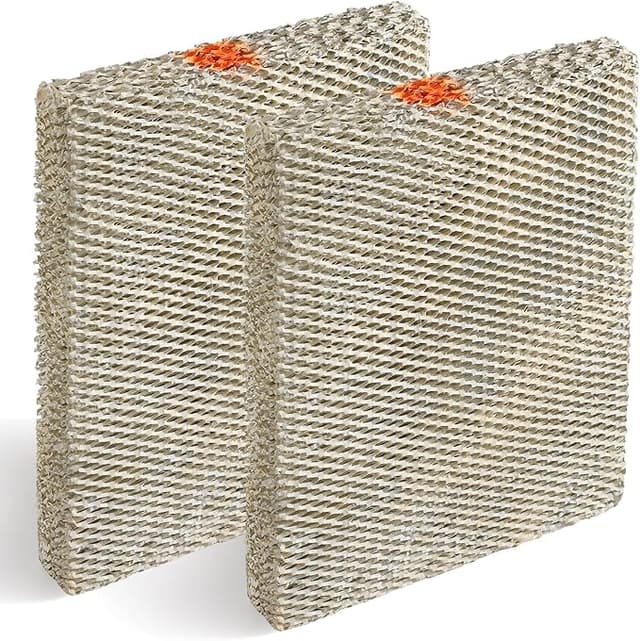
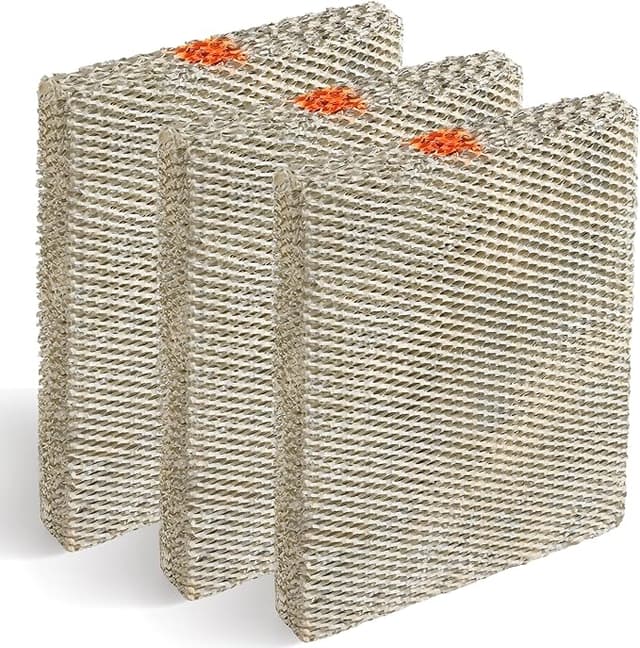
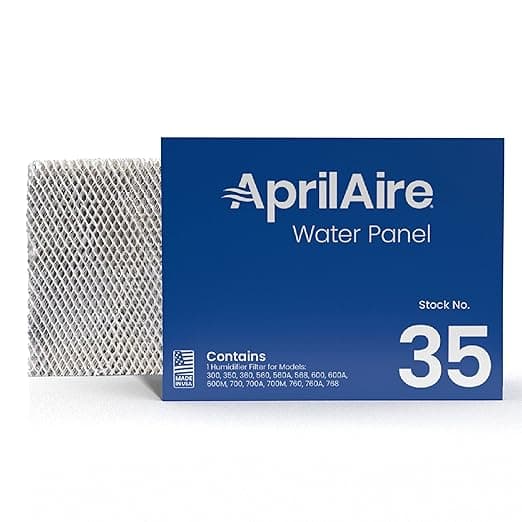
I had both sitting on the bench in my basement, right next to the humidifier with the cover already popped off. On the left, the genuine Aprilaire water panel — the one the dealer wanted $26 for. On the right, a compatible replacement for the FILTER C/FILTER F/FILTER G line that cost me $14. Same dimensions, same wicking grid, same little cardboard frame. And I stood there longer than I want to admit, because the OEM had the name printed on it and the cheap one had nothing but a part number and a fold of shrink wrap.
Here's the thing about a humidifier water panel: it's a consumable. You throw it out every season. It is not the brain of the machine, it's the sponge. And I kept thinking — am I really about to pay almost double, every single year, for a piece of treated paper? So I bought the compatible one. I've now run it through a full heating season in a whole-house bypass setup, and I can tell you exactly where it shines and exactly where it doesn't.
The money, plainly
OEM Aprilaire panels for this line run me around $26 at the local HVAC supply, sometimes a touch more if I forget to order ahead and grab one in a hurry. The compatible panel I went with was $14. That's twelve bucks a swap. Doesn't sound like a fortune until you do the season math: if you run a dry winter and change the panel once a year — which Aprilaire themselves recommend — that's $12 saved annually. Run it harder, in a big house with the furnace cycling constantly, and you might change it twice. Now you're at $24 a year you're handing over for the privilege of a brand name on the cardboard.
Over the life of the humidifier — and these things last fifteen, twenty years if you treat them right — the gap is real money. Not life-changing. But real.
Does it actually seat right?
This was my whole worry. A water panel that doesn't fit the frame is worse than useless, because water sheets around it instead of through it and you get zero humidity plus a puddle. So I was fussy about this. I powered the unit down, pulled it off the furnace duct, and slid the old panel out — and I made a point of noting which way the airflow arrow faced before I tossed it, because that orientation matters and it's the one thing people get wrong.
The compatible panel dropped into the housing track with maybe a hair more play than the OEM. I'll be honest about that — the frame on the cheap one is a millimeter looser, and I gave it a wiggle and thought "hm." But once the cover seated and clipped shut, it locked in flush. No gap at the top, no bypass channel for water to cheat through. I wiped the tray dry first with a cloth like you're supposed to, set the orientation to match the original, snapped the cover back, and powered it up. Solenoid clicked, water started trickling across the panel within the minute. It fit.
How it performs against the real thing
I keep a little hygrometer in the hallway, the cheap digital kind, and I've watched it for years so I know what this house does. With the OEM panel, mid-winter, I'd hold around 38 to 40 percent relative humidity with the furnace doing its normal cycling. With the compatible panel? I'm sitting at 37 to 39. That is, for all practical purposes, the same. My skin isn't cracking, the hardwood isn't gapping, the static-shock-when-you-touch-the-doorknob problem stayed gone. It moves the same amount of water into the air.
Where it's a touch behind: the wicking coating. The OEM panel has this stiff, almost ceramic-feeling mineral coating that helps it resist crusting. The compatible one feels a little softer out of the box, and by the end of the season it had crusted up with white mineral scale a bit faster than I remember the genuine one doing — I'm on well water with real hardness, so your mileage will vary. It still worked at end of season. It just looked rougher when I pulled it. If you're on soft city water, I doubt you'd even notice.
The downside I have to tell you about
Two things, actually, and I'd be doing you dirty if I skipped them.
First — the first day, there was a faint papery, slightly chemical smell coming through the vents when the furnace kicked on. Not strong. Not the "new car" plastic reek some compatible parts have. More like damp cardboard with a whiff of something processed. It was gone by the second day, fully, and I never smelled it again. But if you're sensitive to that, run the fan for an hour before you go to bed that first night.
Second — the packaging is cheap. The OEM panel comes in a clean printed box. This came in a thin plastic sleeve, and the corner of the cardboard frame was slightly dinged from shipping. Cosmetic. Didn't affect the fit or the function one bit. But if you're the type who feels reassured by nice packaging, you won't get that here, and I think it's worth saying out loud because it does plant a seed of doubt when you open it. Push past it. The dinged corner sat in the housing fine.
Why you can't just skip the swap
People let these go way too long, and I get why — out of sight, behind a duct cover, easy to forget. But a crusted, mineral-clogged water panel doesn't just stop adding humidity. Water starts pooling in the tray and channeling where it shouldn't, the solenoid keeps cycling against a panel that can't wick, and you're running a small appliance that's basically failing quietly. A $14 panel is nothing next to a service call or a warped tray. Change it every heating season, full stop, whichever brand you buy.
So who should buy what
If you're on brutally hard well water and you want every last bit of scale resistance, or you simply sleep better with the genuine article in a sealed system you never want to think about — buy the OEM. No shame in it. It's a slightly tougher coating and that's worth $26 to some people.
But for me, in a normal house, doing a job a consumable paper panel is supposed to do? I grab the $14 compatible one. It seated right, it held my humidity within a point or two of the genuine panel all winter, and the only real knock — slightly faster crusting on hard water — doesn't change the fact that I throw it out in spring anyway. Same job, twelve bucks less, every year. I bought it again for this coming season. That's the most honest verdict I've got.