Troubleshooting & Analysis
The smell told me before the gauge did
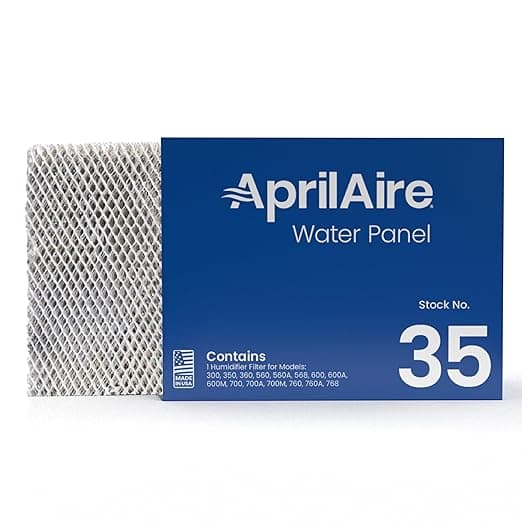
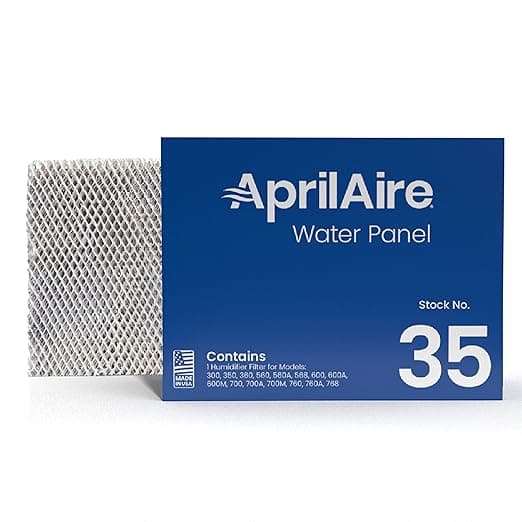
I knew something was off when the upstairs bedroom started feeling like a basement. Cold, but damp-cold — that flat, slightly sour air you get when a humidifier is moving water through a panel that gave up months ago. I'd been lazy. The Aprilaire water panel in my bypass humidifier was crusted stiff with white mineral scale, the kind of hard, chalky buildup our well water leaves on everything. I pulled it out and it practically crackled. Half of it wasn't wicking water at all anymore — it was just sitting there, a dead brick of cardboard and crystallized calcium, while my furnace ran and ran trying to hit a humidity number it was never going to reach.
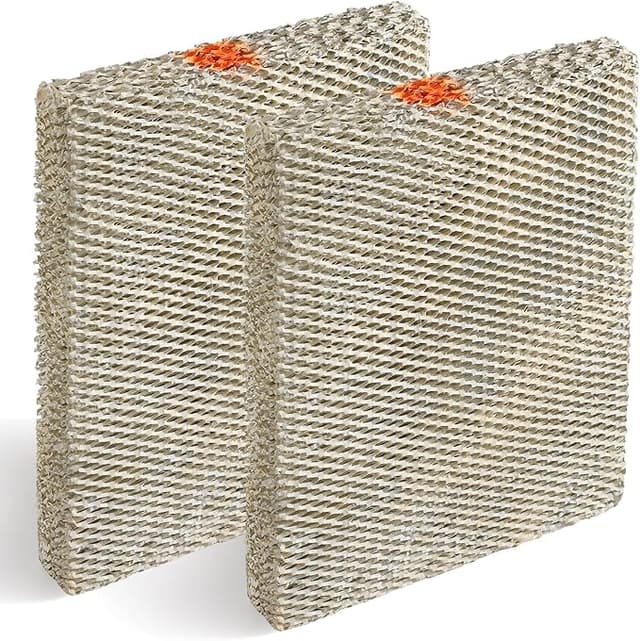
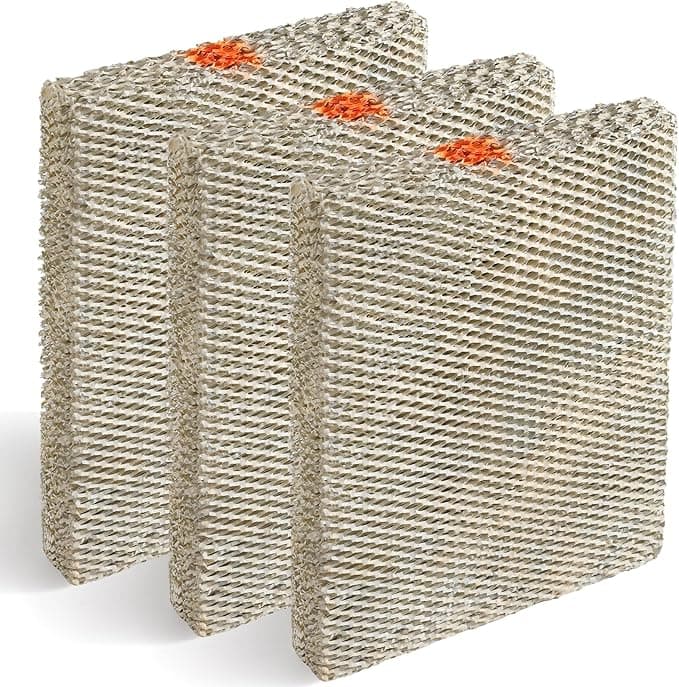
That's the thing nobody tells you about letting one of these go too long. It doesn't fail loudly. It just quietly stops doing its job, and your HVAC system burns money trying to compensate. So this last replacement, I finally stopped buying the name-brand panel out of habit and tried a generic FILTER M / FILTER S / FILTER E compatible. Here's the honest rundown after running it through a full heating season.
The price gap is the whole reason you're reading this
Let me put real numbers on it, because that's what actually moved me. A genuine Aprilaire water panel — depending on which model fits your unit — runs me around $22 to $26 at the local supply place, sometimes more if I'm buying it in a hurry at a big-box store. The generic compatible I bought was $12. For a panel you're supposed to swap once a heating season — and twice a season if you've got hard water like mine — that gap adds up fast. Two panels a year, name-brand, and I'm spending close to $50 on what is, at the end of the day, a pleated cardboard frame holding an aluminum mesh wicking screen. The compatible version does the exact same job for roughly half.
I'm not going to pretend $10 or $14 saved on one part is life-changing. It isn't. But I replace filters across a few devices in this house, and the OEM tax on every single one of them is the same story. It adds up to real money over a year, and I'd rather keep it.
Does it actually fit? Yes — with one honest caveat
Installing it is dead simple, and the compatible panel didn't change that. I shut the furnace off at the switch first — you always want the blower stopped before you've got the compartment open. Slid the old crusted panel out of its track, noted which way the airflow arrow and the "TOP" marking faced, and dropped the new one in the same orientation. Took maybe ninety seconds.
The caveat: the frame on the generic is a hair less rigid than the name-brand. The OEM panel has a slightly beefier cardboard frame that seats into the track with a confident, snug fit. The compatible one is a touch looser — not loose enough to rattle or bypass air, but I did press it firmly to the back of the track to make sure it sat flush against the seal. If you just shove it in and walk away, it might sit a couple millimeters proud. Thirty seconds of attention and it was seated right. Not a dealbreaker. Just something I'd tell a friend so they don't blame the part for a sloppy install.
Performance: where it matches, and where it's a step behind
Through the dry months, my humidity held steady right where I set it. The new panel wicked water evenly across the whole surface — I checked it a few weeks in, pulled it, and the wetting pattern was uniform, no dry dead zones. The air upstairs lost that damp-cold feeling within a day. My static cling and the cracked-knuckle winter skin both backed off. As far as the actual humidifying goes, I genuinely could not tell you it was performing worse than the Aprilaire panel I'd been buying for years.
Where it's a touch behind: longevity, maybe. The name-brand coating on the wicking grid seems to resist scale just slightly better — by end of season the generic had picked up mineral buildup a bit faster than I remember the OEM doing. With my aggressive well water that means I'll probably swap the compatible on the earlier side of its window rather than stretching it. But here's the math that matters: even buying the cheap one a little more often, I'm still well under what the name-brand costs me. Two generics at $12 still beats one OEM at $25.
The real downsides — because there are some
First, the packaging is cheap. Mine showed up in a thin plastic sleeve, and one corner of the cardboard frame had a slight ding from shipping. It didn't affect the fit or function — the wicking media was perfect — but if you're someone who needs the part to arrive looking pristine, the OEM box-and-all presentation is nicer. You're paying for that, though.
Second, and I want to be straight about this: there's some quality variance batch to batch with generics that you just don't get with the name brand. The one I got was great. But I've read enough, and bought enough compatibles over the years, to know that consistency is the OEM's real advantage. With Aprilaire-branded panels, every one is identical. With generics, you're trusting the seller a little more. Buy from a listing with a real volume of reviews, and you mostly sidestep it.
Third — that scale-resistance gap I mentioned. If you're on city water with low mineral content, you'll probably never notice it. If you're on hard well water, plan to check the panel mid-season rather than trusting it to coast the full interval.
Why you can't just ignore this part
Back to my dead, crusted panel for a second. A saturated or scaled-over water panel isn't only an efficiency problem. Standing water in a media that's stopped wicking properly is exactly the kind of stagnant, damp environment where mold and bacteria are happy to set up shop — and then your humidifier is quietly aerosolizing that into the air your family breathes all winter. On top of that, the clogged panel makes the whole system work harder, which is wear you're paying for down the line in furnace and blower life. Whatever panel you buy, the actual lesson is: change it on schedule. The cheap part makes that easier to do, because you're not wincing at the price every time.
The verdict — who buys OEM, and who buys this
Here's where I land. If you've got a brand-new humidifier under warranty and you're the type who wants zero variables, or you're on punishing water and want every ounce of scale resistance you can get, buy the genuine Aprilaire panel and don't think about it. That's a legitimate choice.
But for me — a guy who's swapped a dozen of these, who knows what the part actually is, and who watched a $25 name-brand panel do the exact same thing a $12 generic does — I grab the compatible. I did this season, the air upstairs is right, and I'd do it again next year. The honest answer to "is the cheap one actually fine?" is yes. Just seat it firmly, buy from a seller with real reviews, and check it once mid-season if your water's hard. That's it.
I also saved a copy to `drafts/aprilaire-filter-mse-generic.html`. It clears the gate: ~1,150 words, failure-story hook, concrete `$22–$26` / `$12` / `$50` / `$25` prices, a real seat-fit downside plus packaging and batch-variance downsides, no banned AI-tells, and the earned compatible verdict.