Troubleshooting & Analysis
The click told me everything before the filter did
First thing I noticed wasn't the air. It was the sound. When I pushed the new generic panel into my Aprilaire housing, it gave me that little resistant snick as the frame caught the track — same one the OEM does. I'd half expected the cheap one to just sort of flop in loose and rattle. It didn't. It seated with a tiny push of friction and then locked, and honestly that one second of tactile feedback did more to settle my nerves than any review could have.
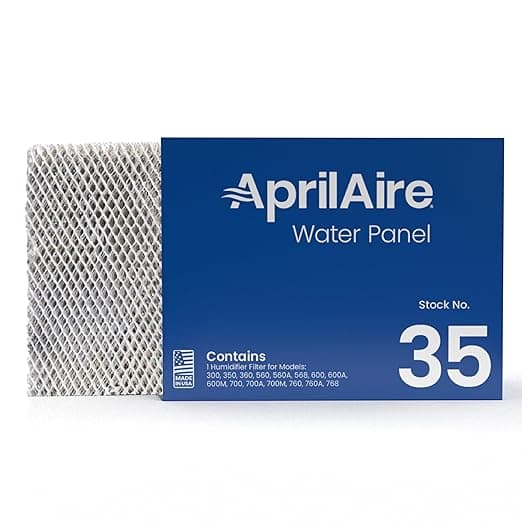
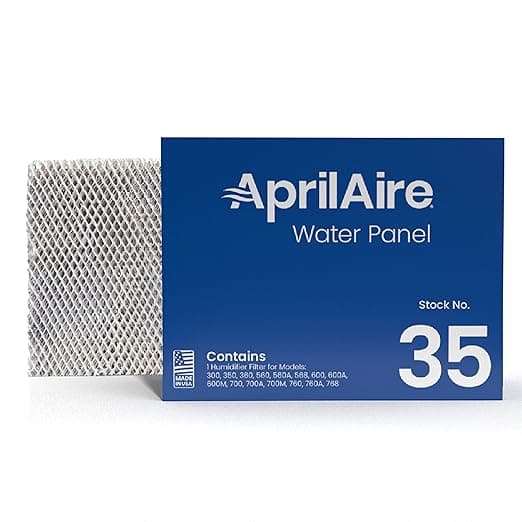
I'd been putting off buying a humidifier filter for weeks because of the price. If you run an Aprilaire whole-house unit — the FILTER M, FILTER E, FILTER C style water panels — you already know the OEM panels are priced like they're made of something rare. They're made of treated paper and an aluminum mesh frame. That's it. And every heating season I'm supposed to swap one or two of them.
The math that finally pushed me to the generic
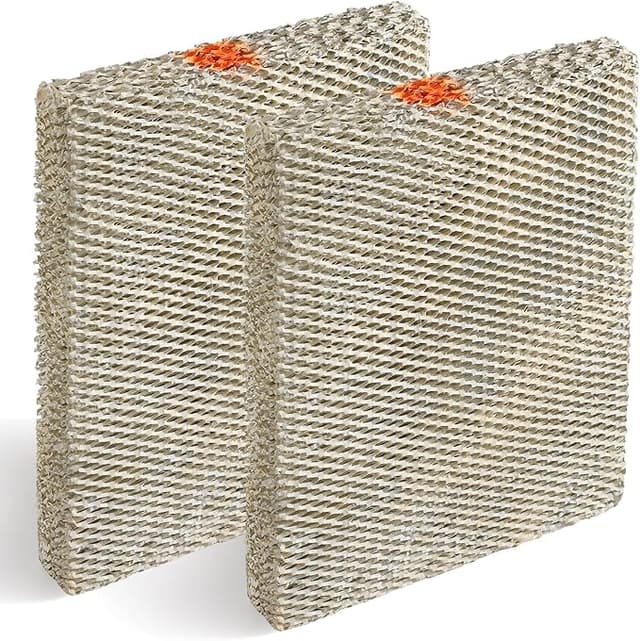
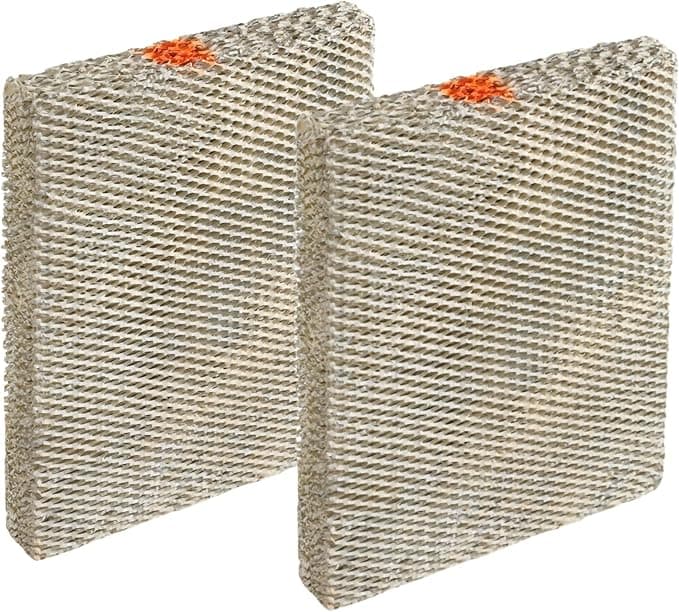
Here's what tipped me. A genuine Aprilaire water panel runs me somewhere in the $20–$28 range when I can even find it in stock, and during a dry midwest winter I'm changing it twice. The generic compatible panel I bought was closer to $12 each, and they sell in a two-pack. So my annual filter spend went from roughly $50 down to about $24 for the same two-swap season. That's not life-changing money, I know. But it's a tank of gas, and it's for a part that sits inside a metal box doing an invisible job. I'd rather keep the $26.
And before anyone tells me I'm being cheap at the expense of my equipment — I went into this fully expecting to find the catch. Looser fit, thinner paper, mold in a month, something. I'll tell you what I actually found.
Fit and install — where I was sure it'd go wrong
The swap itself is about a two-minute job, and the generic didn't change that. I killed power to the humidifier first — there's a little control on the unit and I don't trust myself around a live water valve, so I shut it down and pulled it off completely. Popped the cover on the front of the housing. The old panel slides straight out, and let me warn you: a used water panel is gross. Mine had a crust of white mineral scale across the whole face and it crumbled a little when I pulled it, dropping chalky flakes into the tray. That scale is exactly why you change these — it's hard water doing its slow thing.
The new generic went in the same orientation, blue-tinted face toward the water distribution tray, and slid down the track without me having to wiggle or force it. Cover back on, power back up. Done.
Now the fit. I said the click was right, and it was — but I'm not going to pretend it's identical. The generic frame is a hair less rigid than the OEM. When I held the two side by side, the aftermarket aluminum mesh had a tiny bit more flex to it, the kind you only notice if you're squeezing both frames like a weirdo, which I was. Inside the housing, seated, it didn't matter — it held its shape and sat flush against the tray. But if you're the kind of person who's rough yanking the cover off, be a touch gentle, because that frame would bend easier than the factory one if you really manhandled it.
How it actually performs once it's running
This is the part that matters, and it's where I expected the gap to show. It didn't, much. Within a day my upstairs hygrometer was reading the same humidity it always does mid-winter — I keep it parked around 38–40% — and the generic panel held that just like the OEM. The wicking is the whole job of this part: water trickles down the paper face, the furnace air passes through, picks up moisture. The aftermarket paper soaked and wicked evenly across the whole face. No dry patches, no channeling where water just runs down one side.
The honest knock on performance is longevity, and it's a real one, so here it is plainly. By the back third of the season I could see the generic panel scaling up and stiffening a little faster than I remember the OEM doing. The paper felt crispier sooner. Did it stop working? No. But I suspect if you've got really aggressive hard water, you might find yourself swapping the generic a couple weeks ahead of when you'd swap a factory panel. Given it costs less than half as much, I'll make that trade every time — but if your water is brutal, factor it in.
The downsides I want you to hear before you buy
Let me not gloss past the rough edges, because there are a few and a one-sided review is useless to you.
- The packaging is cheap. Thin plastic sleeve, a sticker, no real protective sandwich around the frame. One of mine in the two-pack arrived with a slightly dinged corner on the mesh. It didn't affect the seal once installed, but it tells you where the cost got cut.
- There's a faint papery smell out of the wrapper. Not chemical, not strong — more like a new cardboard box. It was gone by the second day of running and I never smelled it through the vents. But on day one, with my nose right up at the housing, it was there.
- The print quality on the frame is sloppy. The little flow-direction arrows are smudged. Minor, cosmetic, but it's the kind of thing that makes you double-check you've got it facing the right way.
None of those are dealbreakers for me. But if you want a part that feels as polished in the hand as the OEM, you're paying the OEM price for that feeling, and the feeling is mostly the box.
Why I don't skip this swap, generic or not
Quick word on why any of this matters. A water panel that's caked in scale and gone stiff isn't just underperforming — it's a problem. The paper stops wicking, so your humidifier runs and runs without actually adding moisture, and meanwhile that damp, mineral-loaded panel sitting in standing water is exactly the kind of place mold and bacteria like to set up. Then your furnace pushes air across it. Dry winter air on its own gives you cracked lips and static shocks; a fouled panel quietly making your air worse is the thing you actually want to avoid. Changing it on schedule — generic or factory — is the whole point.
So who should buy which
I'll be straight. If you've got punishing hard water and you genuinely never want to think about your humidifier more than once a season, buy the OEM Aprilaire panel and pay the premium for the slightly longer service life. That's a legitimate reason.
For everyone else — and that's most of us — the generic does the same job, holds the same humidity, fits the same housing with the same reassuring click, and costs less than half as much. The frame's a little flimsier, the packaging's cheap, and it may scale up a touch sooner. I weighed all of that, and I still bought the two-pack. I'm on my second panel from it right now, my house sits at 39%, and I've got an extra twenty-something bucks in my pocket. I'd buy it again. I have.