Troubleshooting & Analysis
I stood in the appliance aisle holding two filters, doing math I didn't want to do
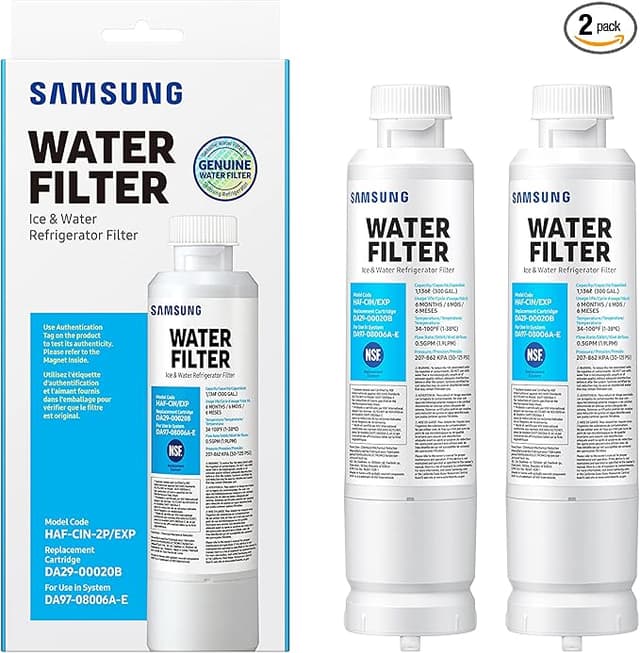
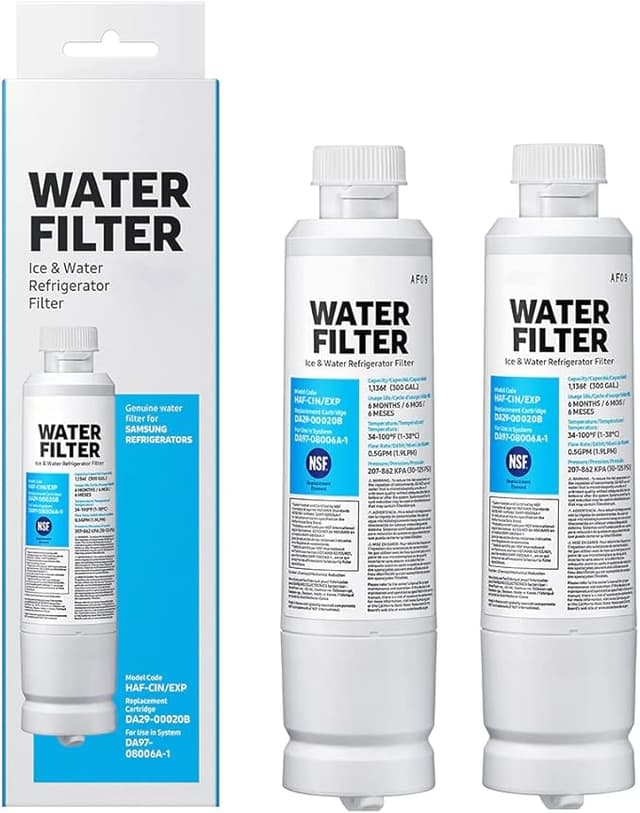
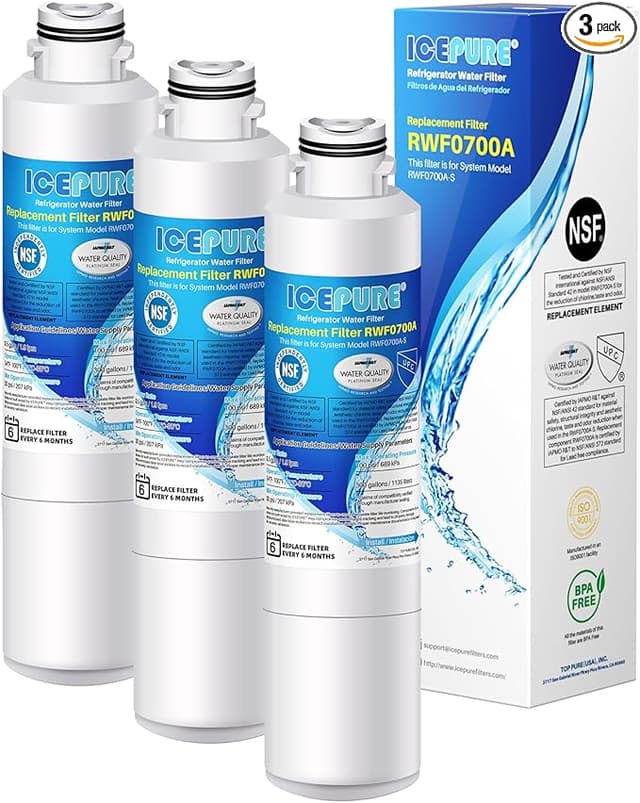
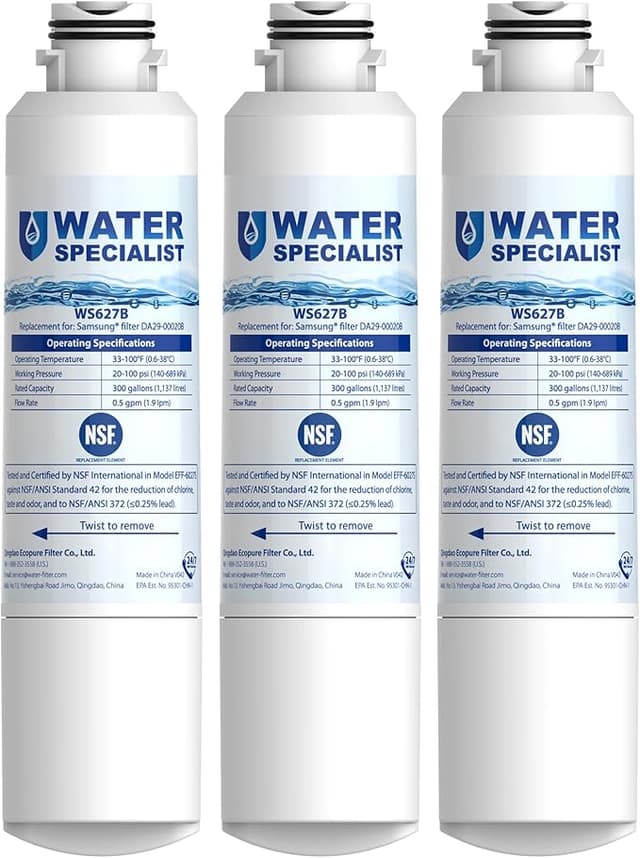
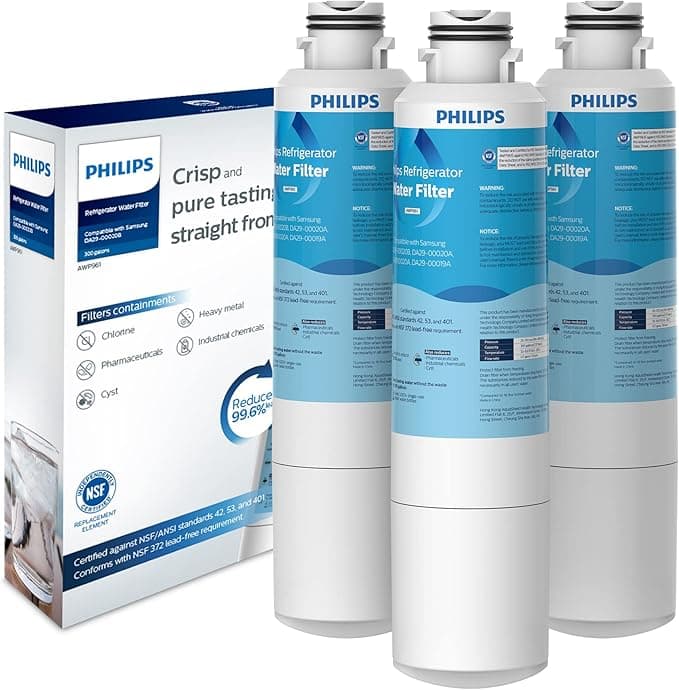
One was the genuine Samsung HAF-CIN, in that clean white box with the blue lettering. Forty-nine dollars. The other was a compatible one — same shape, same twist-lock collar, labeled Filter R — sitting at right around twenty-four. I'd already changed my fridge filter twice on the OEM, and both times I'd grumbled at the register. So there I was, one in each hand, genuinely unsure. Was I about to save twenty-five bucks, or was I about to pour sketchy water into my kids' cups for the next six months?
I bought the cheap one. I've now run it through two full cycles in my Samsung french-door. Here's what actually happened.
The price gap is the whole reason you're reading this
Let's be honest about why anybody hesitates here. The HAF-CIN is rated for six months. So if you stay on genuine Samsung, you're looking at roughly $98 a year just to keep your water and ice from tasting like a swimming pool. Two of these compatible Filter R cartridges run me closer to $48 for the same year. That's fifty dollars a year that stays in my pocket — and over the life of a fridge you keep eight, nine years, that adds up to real money. A weekend trip. Not nothing.
The thing that finally pushed me: this filter is built to NSF standards, same as the OEM. It's not some no-name plastic tube. It's filtering to the actual benchmark. The Samsung logo on the box does not, it turns out, change the carbon inside.
Does it actually fit? Mostly yes, with one honest caveat
Install on these is dead simple and the compatible one didn't change that. You twist the old filter to release it — quarter turn, it pops loose — slide the new one into the housing, and lock it with another quarter turn until it seats. Then you flush about three gallons through the dispenser to clear the air and the loose carbon dust. Skip that flush and your first glass comes out cloudy gray and tastes like pencil shavings, so don't skip it.
Now the caveat, because I said I'd be straight with you: the fit is a hair looser than genuine Samsung going in. The OEM seats with this confident, machined click. This one needed a little more deliberate push and a firmer turn before it locked. Once it's in, it's in — no drips, no leaks, held pressure fine through both cycles. But the first time you install it you might think "is this seated right?" and have to give it that extra nudge. It is. It just doesn't feel as buttery as the original.
Taste and ice — where it surprised me
This is the part I cared about most, and where the compatible filter earned its spot. The water comes out crisp. Genuinely clean, no chlorine bite, no metallic edge. My tap water at home has a noticeable chlorine smell straight from the faucet, and this knocks it right out. The ice is clear too — not the cloudy, weird-tasting cubes you get from a filter that's given up.
Side by side with my memory of the OEM? I'll give the genuine Samsung a slight edge on flow rate. The compatible one dispenses maybe a touch slower — filling a tall glass takes a second or two longer. It's the kind of difference you only notice if you're looking for it, and after a week I stopped noticing entirely. Filtration quality, to my actual tongue, was a wash. Same crisp taste.
The real downsides, so you're not surprised
Two things. First, the packaging is cheap — thin cardboard, a plastic sleeve, none of the reassuring heft of the Samsung box. It doesn't affect the filter, but if unboxing confidence matters to you, know that going in. Second, and this is the one to actually plan for: there's a faint plastic smell on the first day or two, and the first half-gallon after install tastes slightly off even after flushing. That's the new carbon settling. By day three it was gone completely and the water was clean. But run that flush, give it a day, and don't judge it from glass number one.
Why you can't just coast on an old filter
Worth saying plainly, because it's the actual point of the thing. A filter past its life isn't neutral — it's worse than nothing. The carbon saturates, stops grabbing contaminants, and your fridge starts pushing essentially tap-quality water through a tube that's now also a little bacterial hotel. Your Samsung will usually throw a filter-status light at you, and it's not nagging. An expired cartridge means whatever's in your municipal supply is going straight into your glass. The whole reason you have a filtered fridge is to not drink that. Cheap filter changed on time beats expensive filter you stretched to nine months, every time.
So who should buy what
If you lease a high-end place where the landlord requires OEM parts, or you're the type who genuinely can't relax knowing a third-party part is in your $2,500 fridge — buy the genuine HAF-CIN. No shame in it. The slightly tighter seat and the brand box are real, small things.
But me? I've now bought the compatible Filter R twice, on purpose, with my own money. It fits, it filters my water clean, the ice is clear, and it does it for about half. The looser seat and the two-day break-in are the price of admission, and they're cheap. For fifty bucks a year doing the same job to the same standard, I grab this one — and I'll grab it again in six months when the light comes on.