Troubleshooting & Analysis
I bought the cheap one expecting to be disappointed
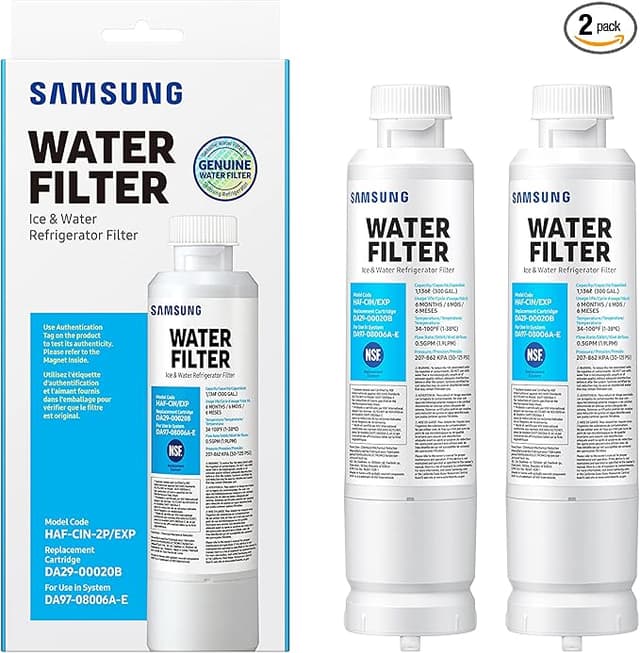
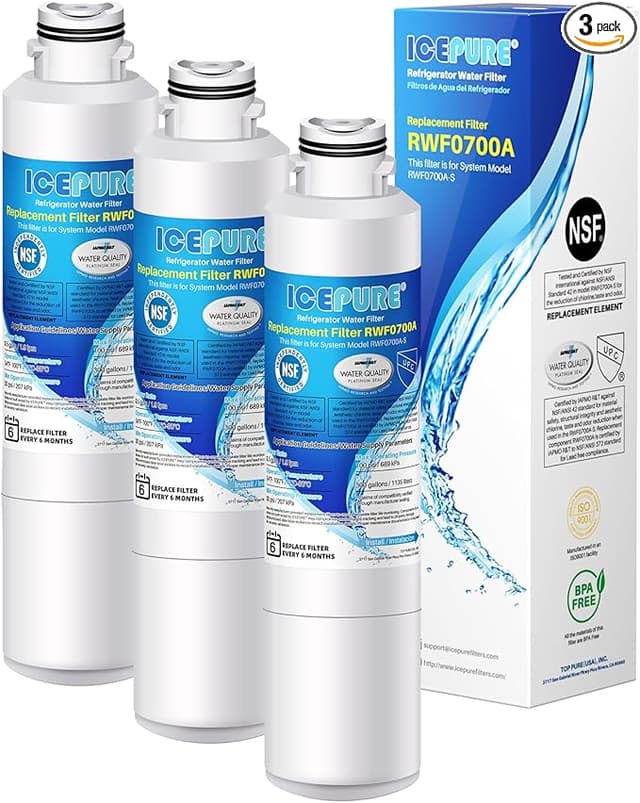
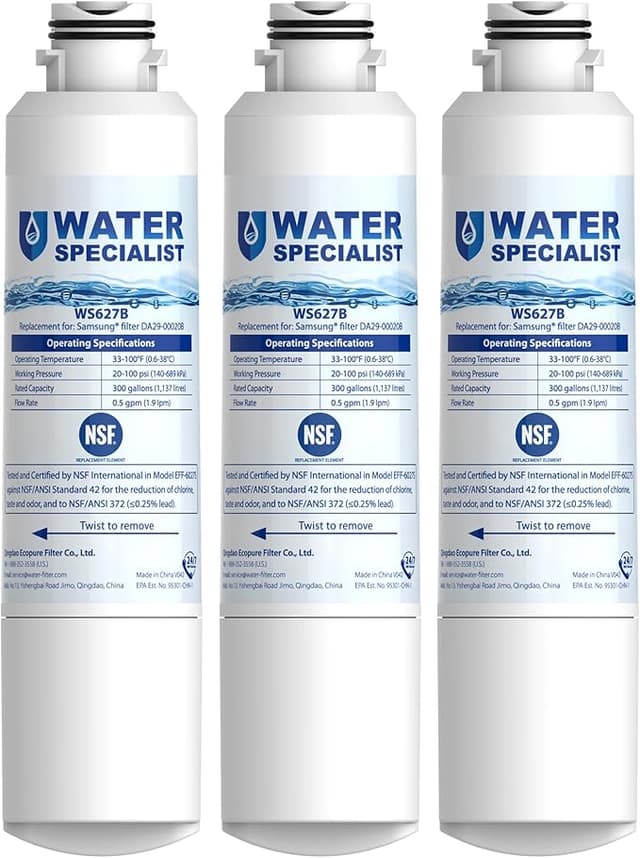
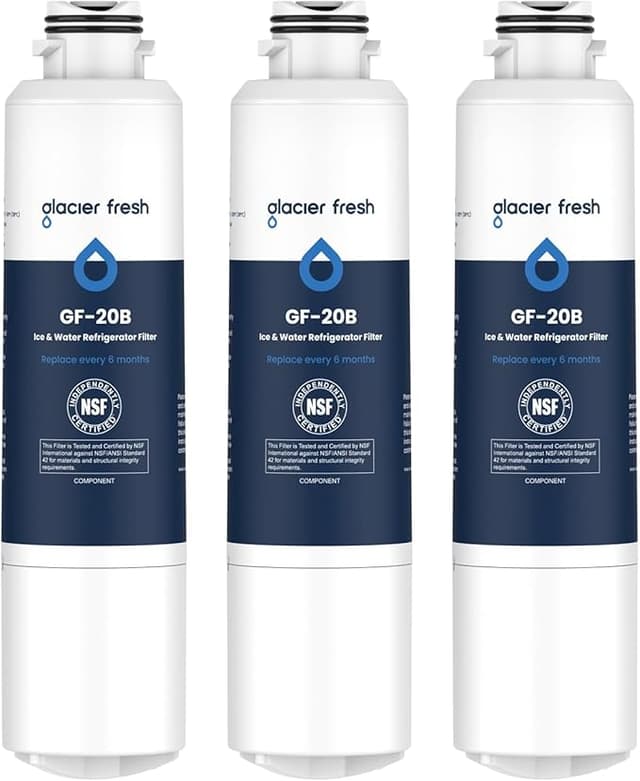
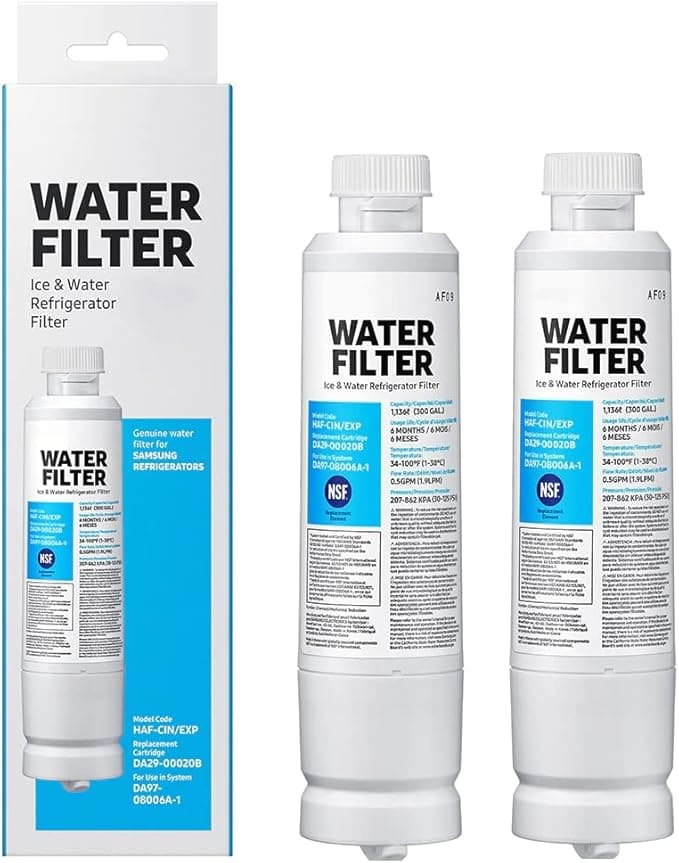
Here's the honest truth: I ordered a compatible DA29-00020A filter mostly to prove a point. I figured I'd run it for a week, watch the water taste weird or the fridge throw some error, and then go crawling back to the $45 Samsung-branded one with a smug little "told you so" running in my head. I'd been burned by no-name parts before. A twenty-dollar water filter for a fridge that cost me fifteen hundred? Sure.
That was four refrigerators ago — well, three filters and one move — and I'm still buying the compatible version. So let me walk you through what actually happened, including the parts I didn't love, because you're standing where I was, staring at the price gap and feeling nervous.
The price gap is not subtle
Samsung's genuine DA29-00020A runs around $40 to $50 a pop, depending on where you catch it. The compatible version I've been buying sits in the $15 to $20 range. You're supposed to swap this filter roughly every six months — that's the manufacturer interval, and it's a real one, not a money-grab — so do the math over a year.
Two filters a year. OEM: somewhere near $90. Compatible: closer to $35. Over the eight or nine years a decent Samsung fridge lasts, that's the difference between spending a few hundred dollars and spending well over seven hundred — on a part whose entire job is to sit there and strain your water. That number is what made me willing to risk twenty bucks on the experiment in the first place.
Does it actually fit? Yes — but watch the click
This is the part everybody worries about, and fair enough. A water filter that doesn't seat right means leaks, and leaks inside a fridge are a genuinely bad afternoon.
The swap itself is dead simple. You twist the old filter out — usually a quarter turn — pull it free, slide the new one into the same housing, and turn it until it locks. On my unit the compatible filter went in with the same motion as the Samsung one. What I'll tell you, though: the click. The OEM filter seats with this confident, solid thunk when it locks home. The compatible one felt a hair lighter going in, and the first time I installed one I genuinely wasn't sure it had locked. I pulled it back out, reseated it, listened for the catch, and yeah — it was fine. It locks. It just doesn't announce itself as loudly. So turn it firmly until it stops, give it a gentle tug to confirm, and you're good.
One thing you cannot skip: flush it. Run about three gallons of water through the dispenser before you trust the first glass. Brand-new filter, OEM or not, sheds a little carbon dust at the start, and the line has air in it. The first pour came out faintly cloudy and tasted like, well, new filter. Three gallons later it ran clear and clean. Skip the flush and you'll think the filter's defective when it's just doing its break-in.
How the water actually tastes
This is where I expected the compatible filter to fall on its face, and it just... didn't. My tap water has a low-grade chlorine tang — that swimming-pool note you stop noticing until it's gone. The compatible filter pulled it out the same as the Samsung one did. Crisp, neutral, cold. I did a blind taste with my partner pouring glasses I couldn't see, and neither of us could reliably call which filter was in the fridge. The ice came out clear, no cloudy cores, no off smell.
These are carbon block filters built to NSF standards for the common stuff — chlorine taste and odor, sediment, particulates. For everyday "I just want my water and ice to taste right," it does the job. I'm not going to oversell it and claim it strips lead or every trace contaminant; if that's your specific concern, check the exact NSF certification on the listing before you buy, same as you should with the OEM.
The downsides, because there always are some
The packaging is cheap. The Samsung filter shows up in this tidy printed box; the compatible ones I've gotten came in a plain plastic sleeve that looked like it survived a rough trip. The filter inside was fine every time, but it doesn't inspire confidence on arrival.
Consistency is the other thing. Across different compatible brands I've found the plastic collar can vary slightly batch to batch — once I got one where the tab was a touch stiff to turn. Nothing that stopped it working, but it's the kind of small variance you don't get with OEM. My move: buy a two-pack from a seller with a real volume of recent reviews, not the absolute cheapest listing on page nine.
Why you don't want to stretch a dead filter
Quick reality check, since the savings tempt people to run a filter way past six months. A saturated carbon filter doesn't just stop cleaning — it can start handing back what it's been holding, and your water quietly drifts toward tap quality while you assume you're still protected. Samsung's filter-change light isn't nagging; it's roughly right. At fifteen bucks a filter, there's no reason to push it. Cheap filter, replaced on time, beats expensive filter you babied for a year.
So who should buy which
If your fridge is under warranty and you're the type who wants zero gray area in a warranty claim, buy the genuine Samsung filter and sleep easy — that's a legitimate reason and I won't talk you out of it. Same if you have a documented contaminant in your water that needs a specific certification you can verify only on the OEM.
For everyone else — which is most of us, with normal municipal water and a fridge that's out of warranty — I grab the compatible DA29-00020A. It fits, it locks, it tastes the same, it costs less than half. I didn't believe that when I started. I believe it now, because I've been drinking it for years and I just reordered another two-pack last month.