Troubleshooting & Analysis
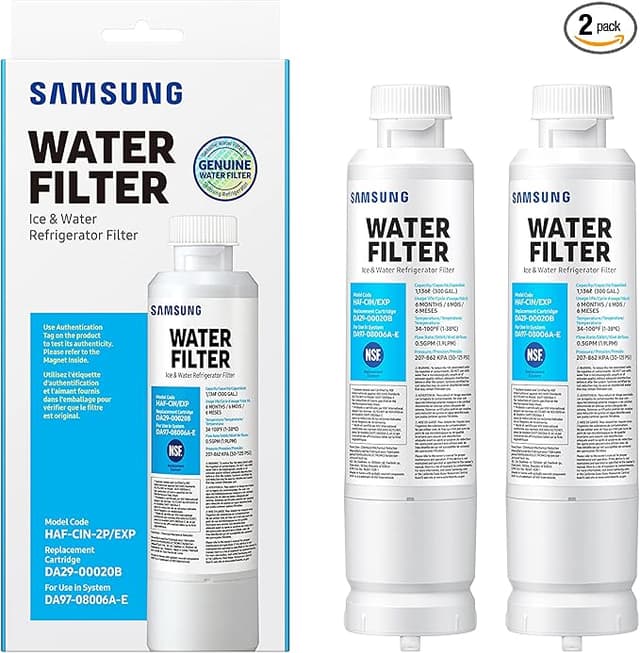
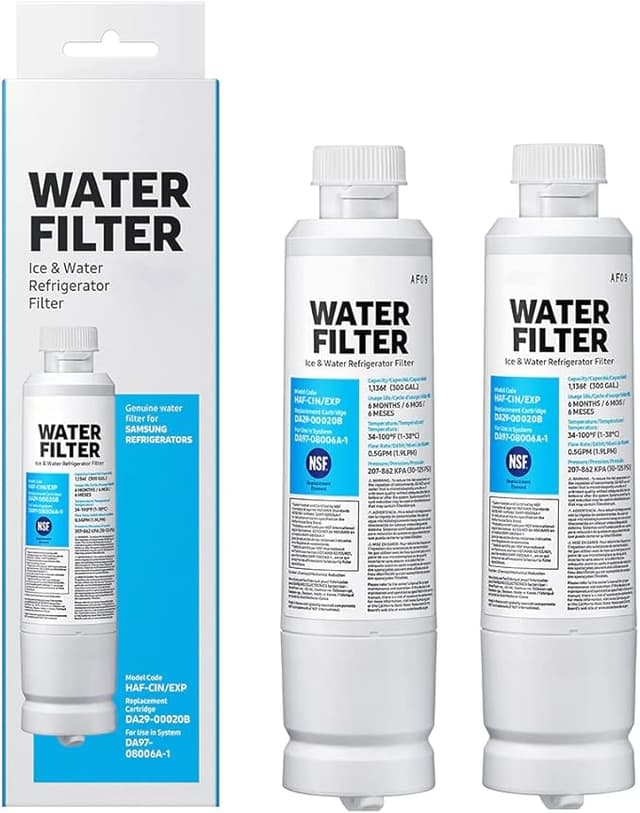
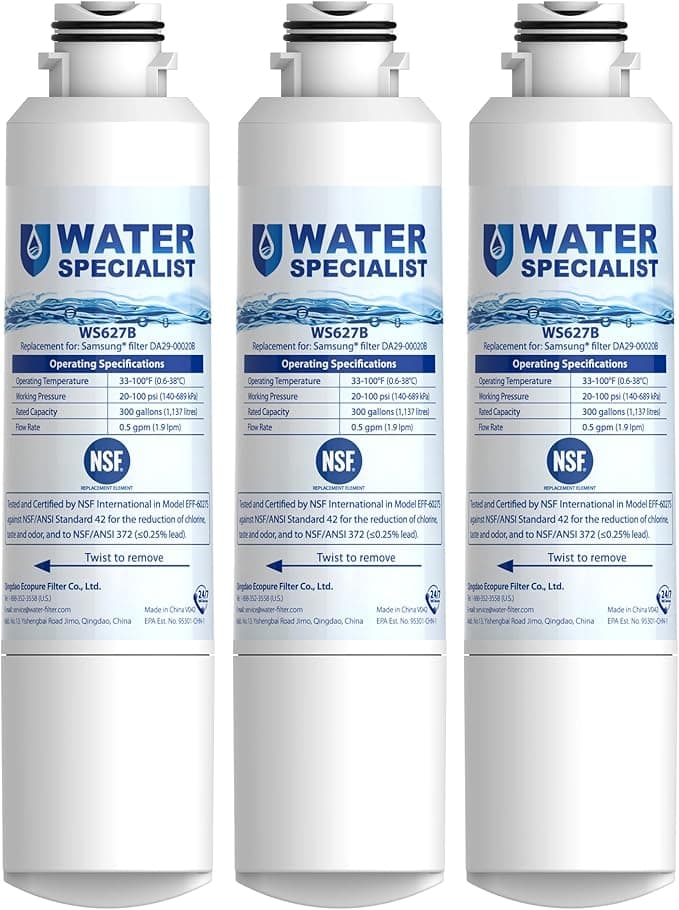
The first thing I noticed wasn't the water. It was the click. When you twist a real HAF-CIN into the top-right bay of a Samsung french-door fridge, it lands with this confident little quarter-turn snap. The Filter D compatible I bought clicks too — but a beat later, and a hair softer. My thumb felt the difference before my brain registered it. I stood there in front of the open fridge for a second, water dripping off the old cartridge onto the floor, thinking: okay, did this thing actually seat, or did I just fool myself?
It seated. I'll get to how I know. But that half-second of doubt is exactly why you're reading this, so let me not bury it.
The number that made me try the cheap one
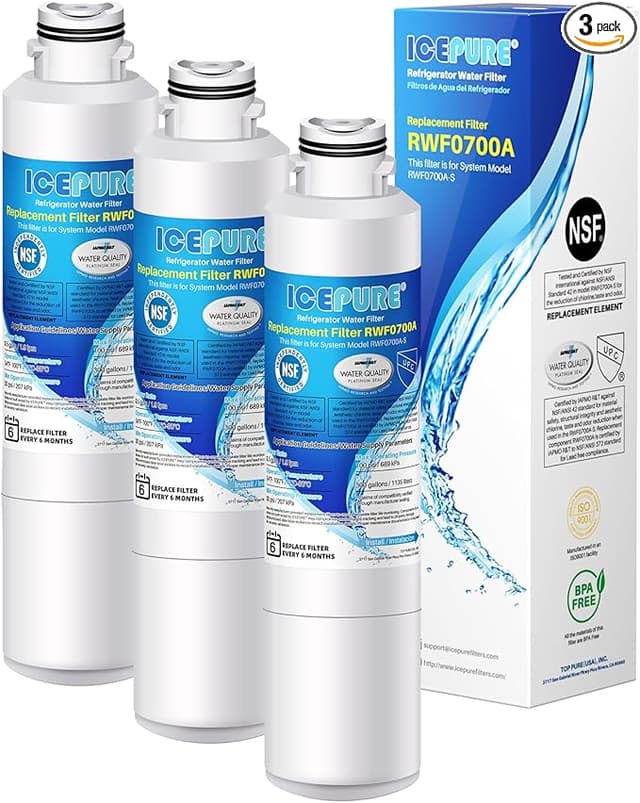
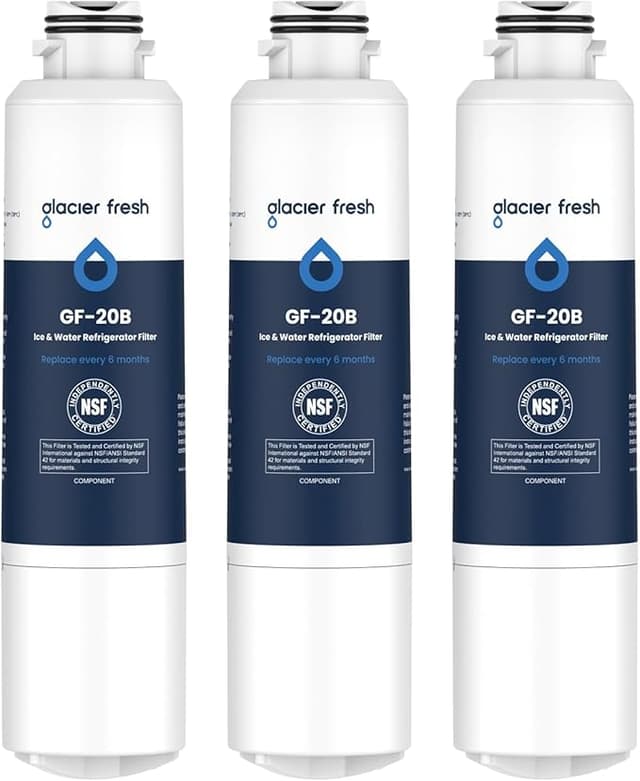
Genuine Samsung HAF-CIN filters run me about $45 to $50 a pop at the appliance counter, and my fridge wants a fresh one roughly every six months. That's a hundred bucks a year to drink my own tap water through a logo. The Filter D compatible I've been running cost me $22. Two of those a year is $44. So I'm pocketing somewhere north of fifty dollars annually, give or take, depending on where the OEM price drifts that month.
Fifty dollars isn't life-changing money. But it's a dinner out, and I was paying it for a hunk of carbon and pleated paper that — spoiler — does the same job. Once you see the gap written out as annual math, the OEM premium starts to feel less like quality assurance and more like a tax for not knowing better.
Putting it in: easier than the manual makes it sound
The install is genuinely a thirty-second job, and the compatible didn't fight me. You twist the old filter to release it, slide the new one into the bay, and lock it with that turn. Then — and people skip this, don't skip this — you run about three gallons through the dispenser to flush the trapped air and carbon dust out. On the Filter D, the first half-gallon spat and sputtered like a garden hose with a kink in it, and the water came out faintly gray-cloudy. That's normal. That's carbon fines, not a defect. By the third gallon it ran clear and quiet, and the sputter was gone.
Fit-wise, the o-rings gripped, no drip at the seam, no leak pooling under the crisper drawer over the next week — which is the thing I was actually watching for. A bad aftermarket fit shows up as a slow weep at the housing, and I checked with a paper towel every morning for the first five days like a paranoid person. Dry every time.
How the water actually tastes
Here's the part that matters once the fit checks out. Cold glass from the door, side by side with what I remembered from the OEM: I honestly couldn't tell them apart. The slight chlorine edge my city water gets in late summer was gone, same as with the Samsung filter. Ice came out clear, no cloudy core, no off smell when it melted in a glass. The Filter D carries an NSF-standard rating for contaminant reduction, and in daily drinking my mouth agreed with the paperwork.
Where it's a touch behind OEM: flow rate. Maybe it's in my head, but filling a tall glass felt a few seconds slower than I remember the genuine cartridge being, especially in the first month. It's the kind of thing you'd never notice if you weren't hunting for a flaw. I was hunting for a flaw.
The real downside, because there's always one
The packaging is cheap. The cartridge showed up in a thin plastic clamshell with a sticker label already peeling at the corner, and the molding seam down the side of the housing is rougher than Samsung's — you can feel the flashing with a fingernail. None of that touches the water, but it doesn't inspire confidence when you first pull it out of the box, and if you need a product to feel premium in your hand, this one won't.
The bigger honest caveat is consistency. With a third-party part you're trusting that this unit matches the last unit, and aftermarket quality control isn't OEM-tight. Mine was perfect. I can't promise yours will be molded to the same tolerance. That's the actual trade you're making for the fifty bucks — not worse water, but slightly more variance in the lottery.
Why you can't coast on an old filter either way
Whatever you buy, the part people get wrong is leaving the thing in too long. A saturated cartridge doesn't just stop helping — it gets worse than no filter, because the gunk it trapped starts shedding back into your glass and the spent carbon can host bacteria. When your Samsung throws the filter-change light, it's not upselling you. An expired filter in that fridge is, functionally, you drinking tap water that's been sitting in a plastic cup for six months. Set a phone reminder for the six-month mark and actually swap it. The compatible being cheap is the whole point: there's no excuse to stretch it.
So who should buy what
If your fridge is under warranty and you're the cautious type who'd lie awake wondering whether an aftermarket part voided something, buy the genuine HAF-CIN and sleep fine — that's a real reason, not a dumb one. And if you want that exact factory click and a housing with no rough seams, the OEM earns its premium on feel alone.
Me? I've run the Filter D for two full cycles now. Clear ice, clean-tasting water, no leak, no drama, for less than half the price. The packaging is junk and the flow's a smidge slower and I can't vouch for every unit off the line — but the water in my glass is the same water, and I'd buy it again. I have, twice.