Troubleshooting & Analysis
I didn't believe a $20 filter could be fine either
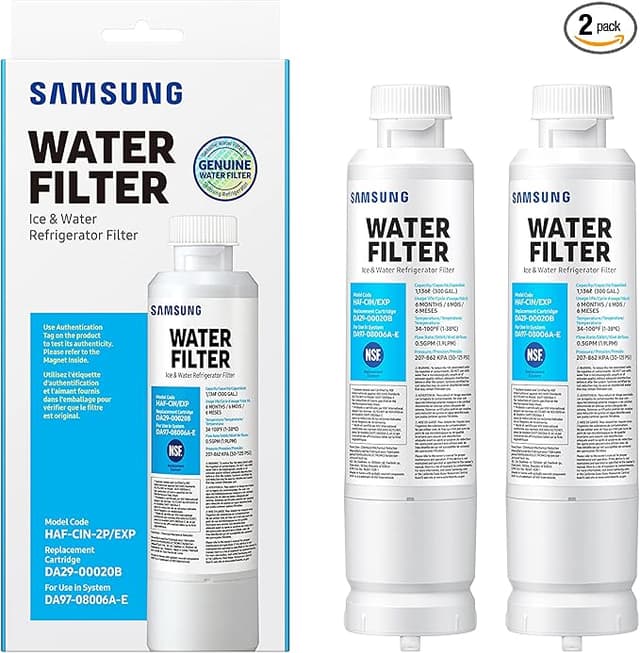
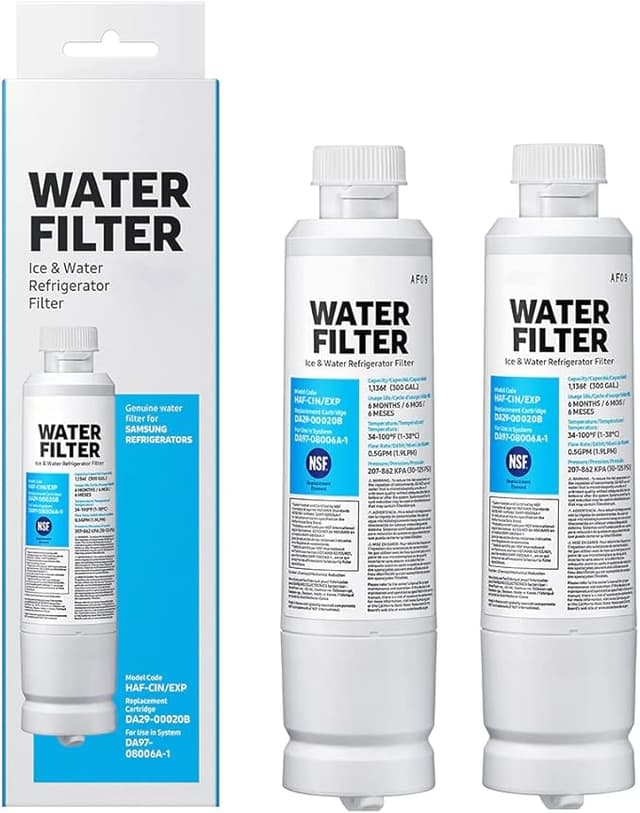
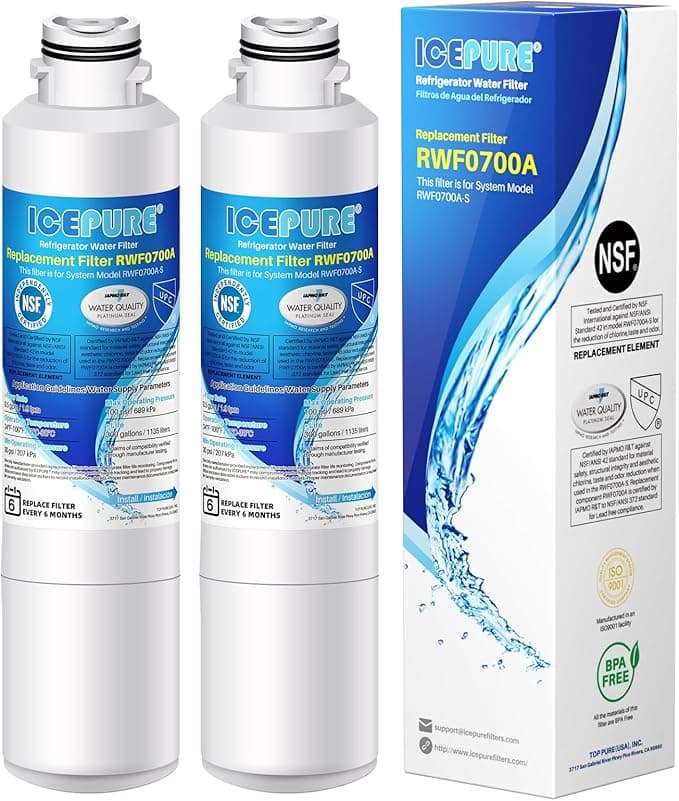
For about two years I paid Samsung's price for the HAF-CIN filter without thinking twice. Forty-some dollars, every six months, twist it in, move on. Then one day I'm standing in the kitchen with my phone out, and I see a compatible version — same shape, same NSF rating on the listing — for less than half. And my first thought wasn't "great deal." It was "yeah, no." A $20 filter for my fridge? That's the part that touches the water my kid drinks. I assumed it'd leak, or taste like a swimming pool, or wreck the dispenser somehow.
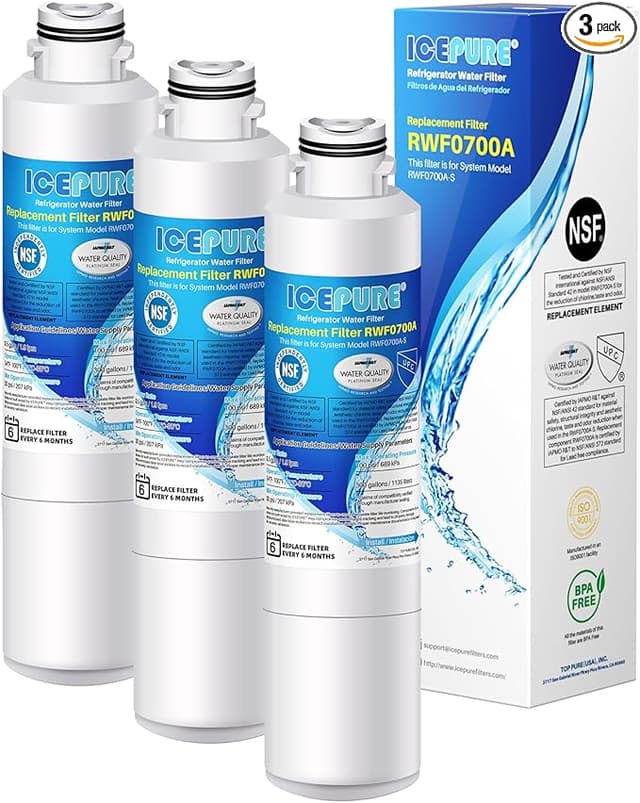
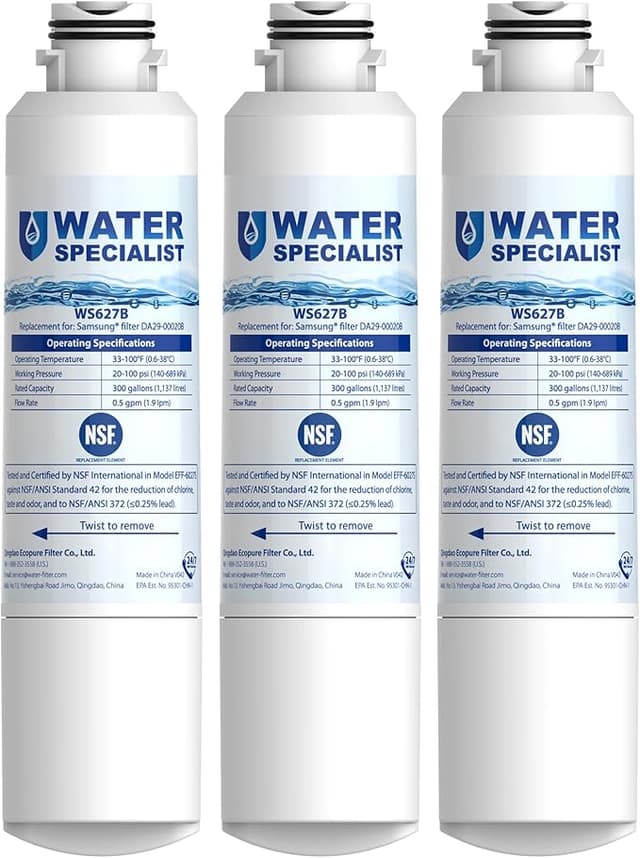
So I did the annoying thing and bought one anyway, mostly to prove myself right. I've now run the compatible Filter R in my Samsung side-by-side for three filter cycles — call it eighteen months of actual drinking and ice-making. Here's what I actually found, downsides included.
The math that made me try it
Samsung wants the HAF-CIN swapped roughly every six months. At OEM pricing that's two filters a year, and you're looking at eighty to a hundred dollars annually just to keep your own fridge doing its job. The compatible Filter R runs about half that. Over a single year that's a tank of gas. Over the life of a fridge — eight, ten years — you're into real money, hundreds of dollars, for a part that does one thing: trap the stuff you don't want in your water.
And look, I get why the OEM costs what it costs. The logo. The packaging. The little reassurance that you bought "the real one." But I kept coming back to a simple question — is the water actually different coming out the other side? Because if it's not, I'm paying double for a sticker.
Does it actually seat right?
This was my real worry. A fridge filter that fits loose can let water sneak past unfiltered, or worse, drip. The install on the HAF-CIN system is genuinely simple — you twist the old one out, push the new one in, and turn until it locks. The compatible Filter R did the same twist-and-lock with a clean click. Seated flush. No wobble, no half-turn-and-pray.
One honest note: the very first one I installed felt a hair tighter going in than the Samsung original — like the plastic on the collar had a touch more grip to it. Not loose, the opposite. I had to commit to the turn a little more firmly. After it clicked it was solid, and every one since has gone in clean. So if your first install feels stiff, that's the part molding being a touch fuller than OEM, not the wrong filter.
Then you flush it. Run about three gallons through the dispenser before you trust the first glass — that clears the trapped air and the carbon dust that any new filter, OEM included, sheds at the start. Skip this and your first few glasses come out cloudy with fine bubbles and a faint gray tint. That's normal. Flush it and it's gone.
The honest performance take
Water taste: I genuinely can't tell the two apart. I did a dumb blind test with my wife — two glasses, one from a stretch on the OEM, one on the compatible — and neither of us could call it. Both clean, both flat-neutral, no chlorine bite, no metallic edge. The ice comes out clear, not the cloudy white you get when a filter's dying.
Where it's a touch behind: flow rate, very slightly, late in the cycle. Around month five the compatible one felt a little slower at the dispenser than a fresh Samsung does — a couple extra seconds to fill a glass. Not dramatic, and honestly a fresh OEM slows down by month five too. But if I'm being precise, the OEM held its flow maybe a week or two longer before it started to lag.
The downside I'll actually name
The packaging is cheap. The box is thin, the plastic wrap is the flimsy kind, and one of mine showed up with a slightly crushed corner on the carton — the filter inside was sealed and fine, but it doesn't inspire confidence sitting on your counter. There's also a faint plastic smell when you first unwrap it, the new-molded-plastic kind. It does not get into the water — that's what the three-gallon flush is for — and it's gone off the filter body within a day or two of being installed. But the first impression out of the box is "this was made to a price." Because it was.
Why none of this is something to gamble on
Here's the part I won't get casual about. A fridge filter isn't decoration. When it's saturated and past its life, it stops holding back the contaminants it's there to catch, and you quietly slide back to drinking whatever your tap actually delivers — minus the warning. Samsung's own system will flag you when it thinks the filter's expired. The thing that matters isn't whether your filter says "Samsung" on it — it's that there's a fresh, NSF-standard cartridge in there doing the work. A clogged OEM filter is worse than a fresh compatible one. Every time.
So who should buy what
If you're under warranty and genuinely worried a third-party part could give Samsung an excuse to deny a claim, or you just sleep better with the matching logo — buy the OEM. No shame in it. That's a real reason.
But for everybody else: I came into this expecting to catch the cheap filter failing, and instead I caught myself overpaying for two years. Same fit, same clean water, same clear ice, for about half the price — with cheaper packaging and a slightly slower tail end as the trade. I've now bought the compatible Filter R three times on purpose, and the next one's already in the cabinet. That's the most honest endorsement I've got: I keep spending my own money on it.