Troubleshooting & Analysis
I didn't believe a $20 filter could be fine either
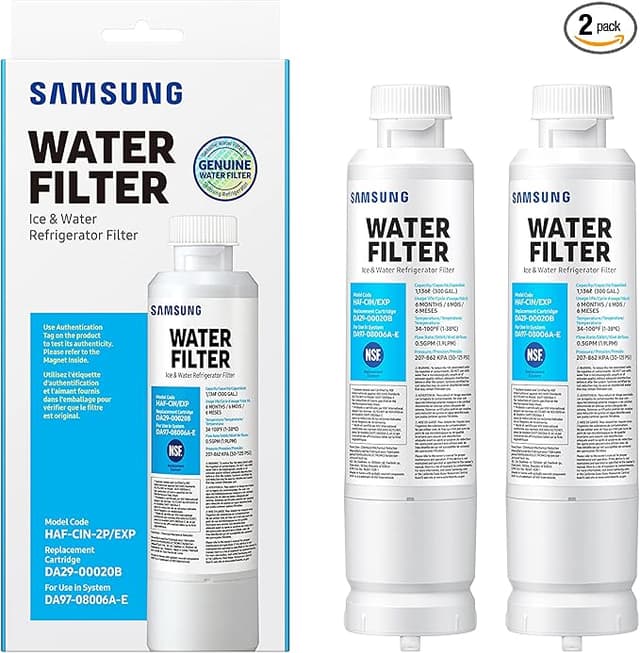
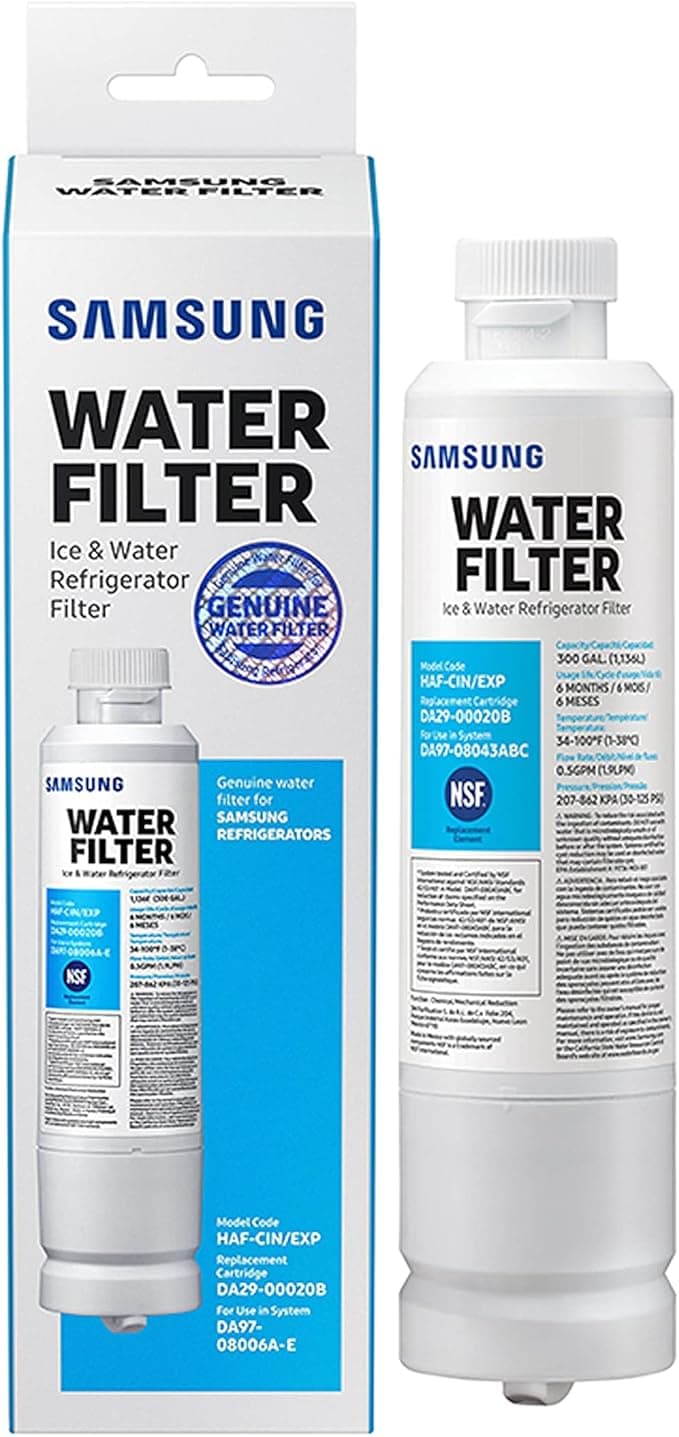
Here's where I started: convinced the $20 thing was a scam. My Samsung fridge takes the DA29-00020A filter, and for years I just clicked "buy" on the genuine one because — I don't know — it felt safer. Forty-five bucks, sometimes north of fifty depending on the week. Then my brother-in-law, who is cheaper than anyone I've ever met, told me he'd been running a compatible one in his fridge for over a year and his ice tasted exactly the same as mine. I told him he was poisoning his kids. He laughed at me. So I bought one to prove him wrong.
I did not prove him wrong. That's the whole article, honestly, but stick with me because there are real caveats.
The price thing is almost insulting once you do the math
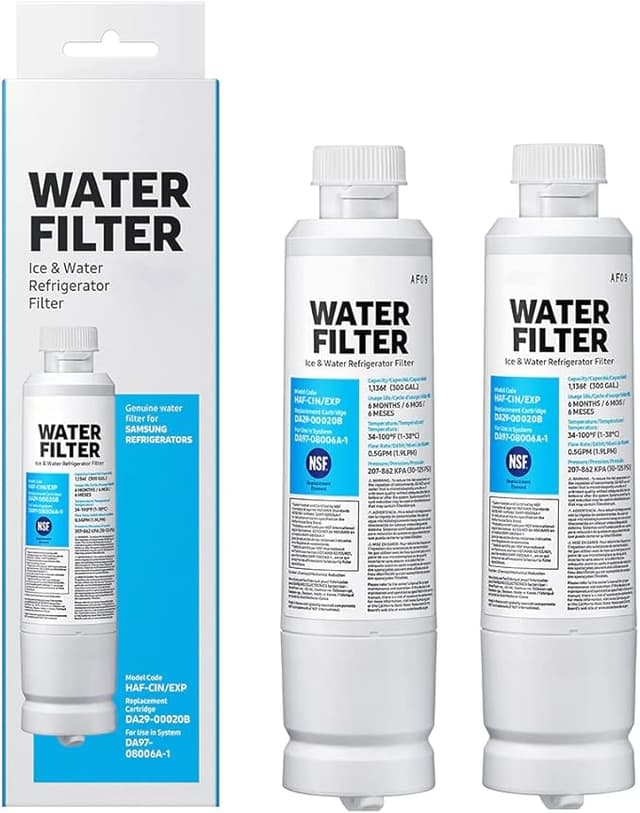
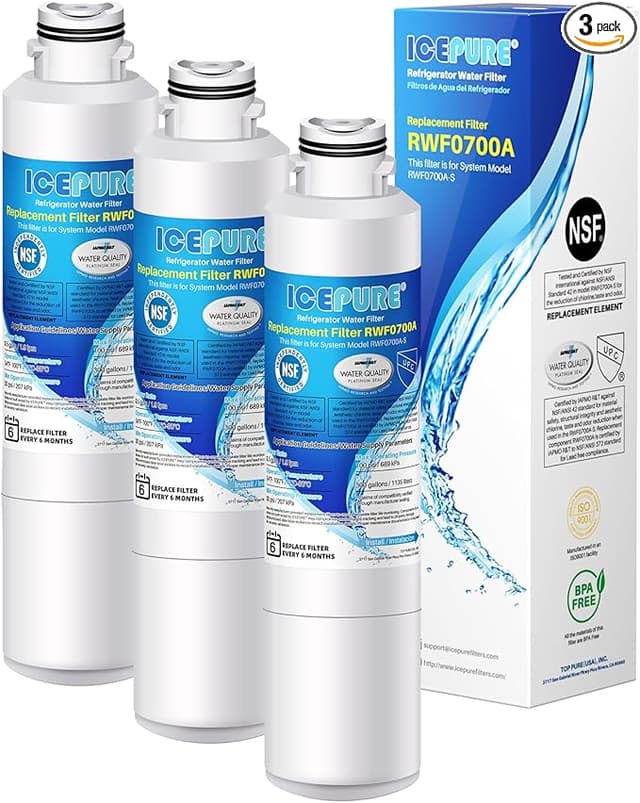
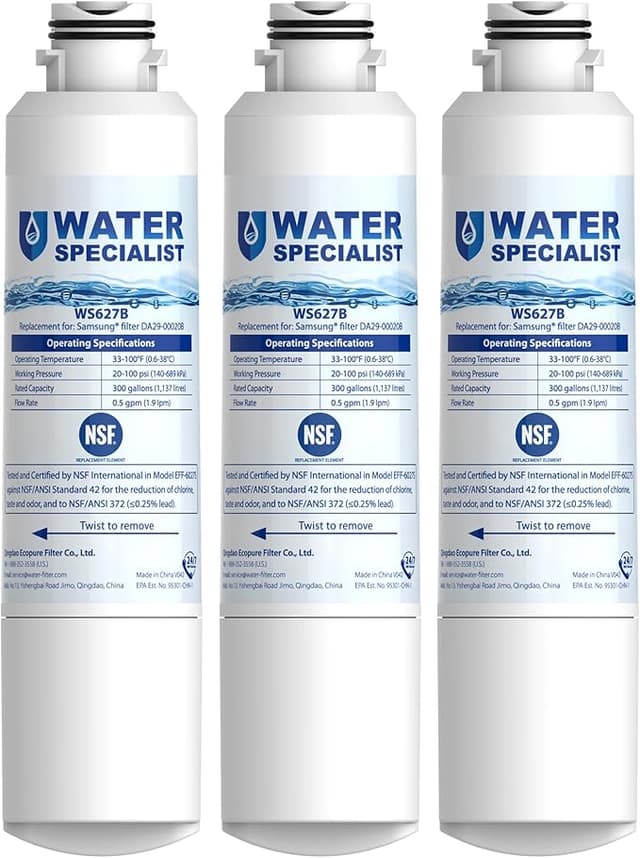
The OEM DA29-00020A runs me around $45 a pop, and Samsung wants you swapping it every six months. So that's roughly $90 a year to keep water moving through one fridge. The compatible filter I bought was half that — call it $20, sometimes a two-pack that brings each one down further. Run the same six-month schedule and I'm spending $40 a year instead of $90. Over the life of the fridge, that's not coffee money. That's a real number.
And the part that finally got me: it's an NSF-rated filter doing the identical job. The carbon block inside doesn't know it cost less. You're paying the extra twenty-five dollars for the Samsung logo printed on the cap. That's it. Once I sat with that, the genuine-only loyalty felt kind of silly.
Does it actually fit? Yeah — with one second of doubt
This was my real worry. A water filter that doesn't seat right isn't a minor annoyance, it's a leak in your kitchen. The install on these is dead simple: you twist the old one out, push the new one in, and turn it until it locks. On my fridge the compatible filter went in with the same quarter-turn motion and gave me that little click when it seated.
I'll be straight about the one hiccup. The first time, I felt a hair more resistance than I do with the genuine cap — the plastic on the collar is a touch less polished, and for half a second I thought "is this not going in?" It was. I just had to commit to the turn. Once it locked, it locked. No drip, no weeping around the housing, nothing on the floor over four months of use. After you twist it in, run about three gallons through to clear the trapped air — you'll get some sputtering and a few cloudy glasses at first, which is totally normal and not the filter failing. By glass four it ran clear.
How the water actually tastes
Blind, I could not tell you which filter was in the fridge. The water is crisp, no chlorine bite, no weird plastic aftertaste once it's flushed. Ice comes out clear instead of that cloudy white you get when a filter's checked out. For the everyday job — drinking water, ice, the dispenser — it performs like the genuine one. Full stop.
Where's it a touch behind? If I'm nitpicking: I think the genuine cartridge holds its flow rate a smidge better deep into month five. Around the four-and-a-half-month mark on the compatible one, I noticed the dispenser slowed just slightly — not dramatic, but I caught it. With the OEM I usually don't notice until I'm past the recommended swap. So if you're the type who pushes a filter way past its date, the genuine one gives you a little more runway. Most people aren't pushing it that far, but it's an honest difference.
The downsides I'm not going to pretend away
The packaging is cheap. It showed up in a thin plastic sleeve, not the nice boxed thing Samsung sends, and for a second that made me nervous about whether it'd been handled right. The filter itself was sealed and fine, but presentation does not inspire confidence — fair warning. There was also a very faint plastic smell on the cap when I first unwrapped it, gone after the flush and a day of use, but it's there at the start.
And look — quality across compatible brands is less consistent than OEM. The good ones are genuinely good; there's junk out there too. That's why I care about the NSF rating on the box. It's the difference between "tested to actually reduce contaminants" and "a chunk of carbon someone's hoping works."
Why none of this is something to gamble on
Here's the part people skip past. A filter you've ignored isn't neutral — it's worse than no filter eventually, because a saturated cartridge stops catching the chlorine, sediment, and contaminants it's supposed to and can start handing some of it back. An expired filter in your Samsung is basically drinking tap water through a clogged straw. So whichever one you buy, the actual move is swapping it on schedule. A cheaper filter you replace on time beats an expensive one you stretch to nine months. Cost being lower makes me more likely to swap it, not less.
So who should buy what
If you've got a warranty situation where you're genuinely worried a service tech will blame an aftermarket filter, or you're the person who forgets and runs a filter eight months deep, buy the genuine DA29-00020A and don't think about it. The extra flow margin and the brand paper trail are worth it for you.
For everyone else — me included — I grab the NSF-rated compatible one now. Same crisp water, same clear ice, fits my fridge, and it saves me around fifty bucks a year per filter. I went in trying to catch it failing. It didn't. I've reordered it twice since, which is the most honest endorsement I've got.