Troubleshooting & Analysis
Two filters on the pool deck, one of them costing twice as much
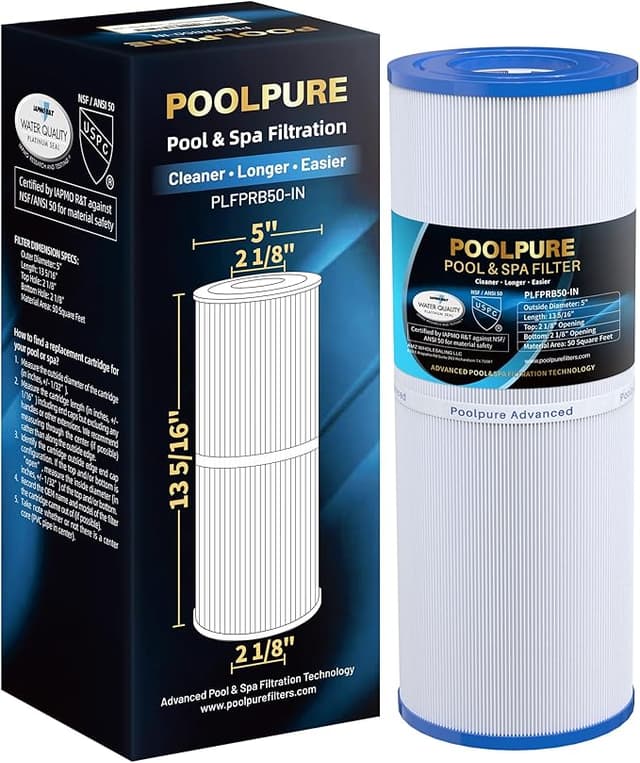
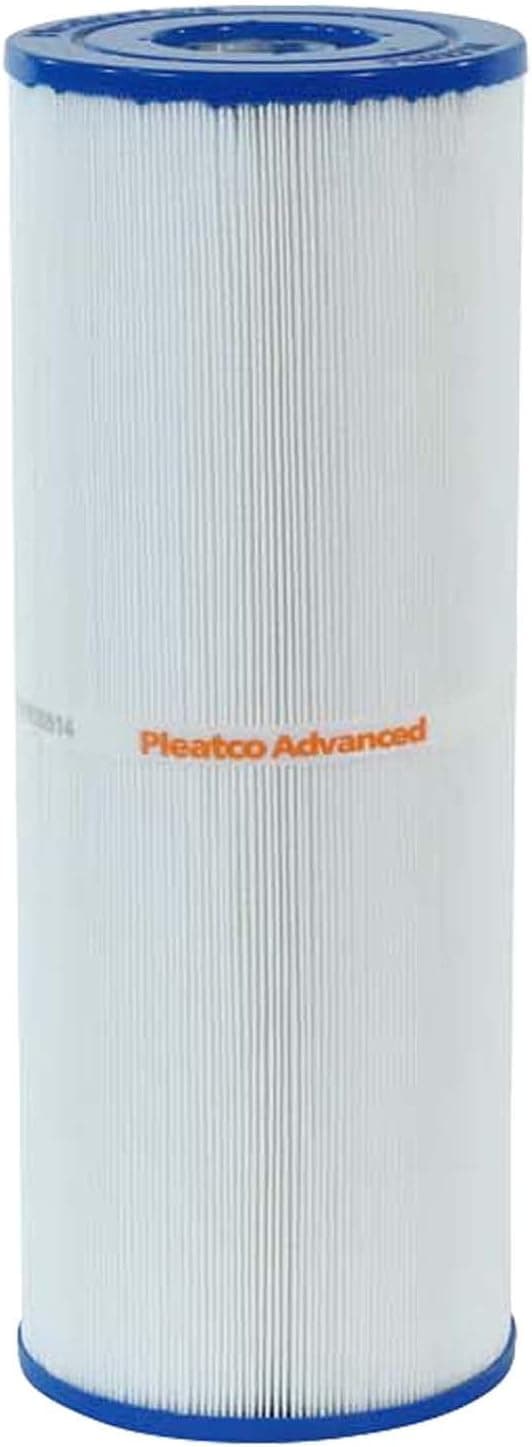
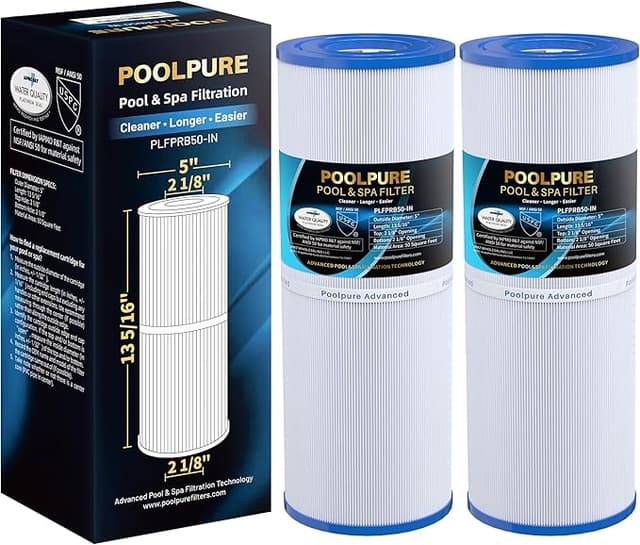
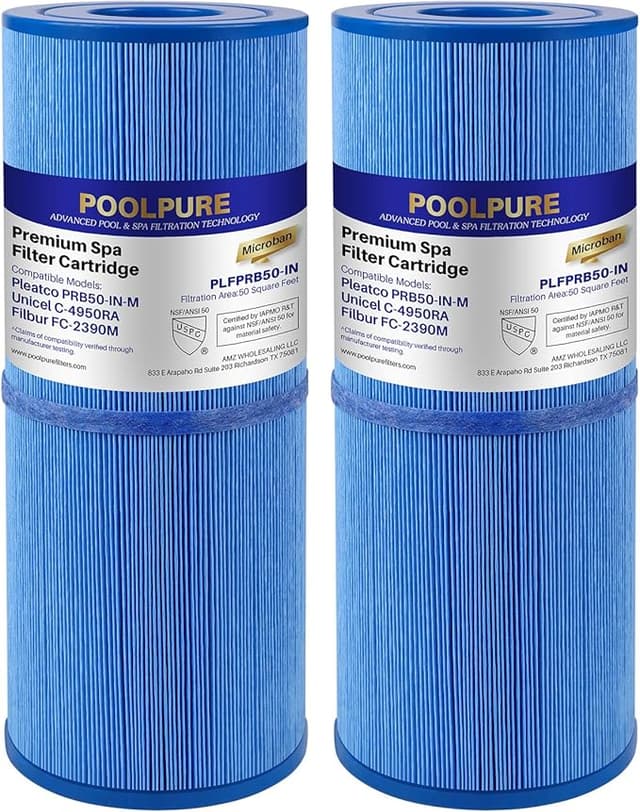
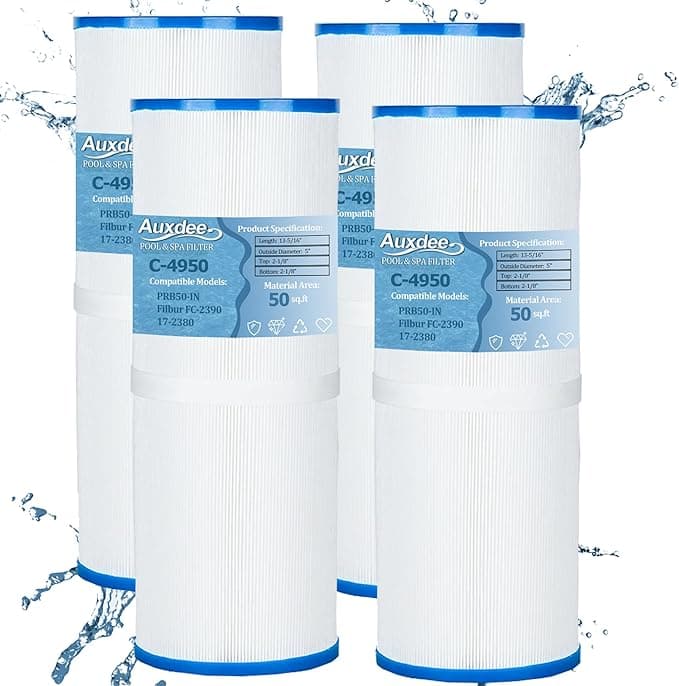
I had them both sitting on the concrete next to the equipment pad — the genuine cartridge my spa came with, and the Pleatco PRB50-IN I'd ordered on a hunch. Same fan-fold pleats, same general shape, same end caps. And honestly, standing there in the sun with a wet shop towel over my shoulder, the only real difference I could see was the price tag. The OEM-branded one ran me close to $40 last time. The Pleatco was $22 shipped. So there I was, doing the thing every pool owner does at least once: holding the cheaper part and quietly asking myself whether I was about to ruin a perfectly good filtration system to save eighteen bucks.
I went with the Pleatco. That was two seasons ago. Here's the honest report.
The fit — and the one moment I thought I'd messed up
If you've replaced one of these before, you know the drill. I killed power to the pump at the breaker first — not just the timer, the actual breaker, because nobody should be elbow-deep in a filter housing with a pump that can kick on. Released the band clamp, popped the lid, and lifted the old cartridge out. I always glance at how the old one sits before I pull it, because the bottom hub has to mate to the standpipe and getting it backwards is a five-minute mistake you make once.
The PRB50-IN dropped into my Rec Warehouse-style housing and seated with that little settle you feel through your fingertips when the bottom hub finds the pipe. No forcing. Here's the one thing I'll flag, though, because it's real: the top end cap sat a hair — and I mean a hair — looser against the housing lid than the factory cartridge did. First time I noticed it I genuinely thought I'd bought the wrong diameter. I hadn't. The outer dimensions are spot on; the pleat pack is just packed a touch differently and there's a sliver more wiggle before you clamp it down. Once the lid's torqued and the system's under pressure, it doesn't matter at all. But if you're the type who needs everything to feel machined-tight by hand, you'll notice it for about ten seconds.
I hosed out the housing while I had it open — there's always a ring of fine grit and a leaf or two that snuck past — reseated the lid, cracked the air relief on top, and brought the pump back up. Bled the air until water sprayed out the relief valve, closed it, and watched the pressure gauge settle.
How it actually filters
This is the part that matters, and it's where I expected the cheaper cartridge to give itself away. It didn't. My starting (clean) pressure landed right where the factory cartridge ran — within a pound or two on the gauge, which is well inside the noise of where I clamp the lid and how I set the valves. Water cleared up over the next 24 hours exactly the way it always has. The pleats are the same 50-square-foot media spec the part number promises, and across a hot Texas summer with the spa running daily, it kept the water polished. No haze, no fine cloud at the bottom in the morning.
Where's it a touch behind OEM? Two things, and I want to be straight about both. First, the media feels a half-step thinner between my fingers than the factory cartridge — not flimsy, but you can tell. Second, and this is the one that actually shows up in use: I get a little less time between cleanings near the end of the season. With the factory cartridge I'd go maybe four to five weeks before the pressure climbed enough to tell me it was time for a chemical soak. With the Pleatco I'm honestly closer to three and a half, four. It loads up a bit faster as it ages. Not a dealbreaker — I rinse cartridges anyway, it's part of owning a pool — but if you hate maintenance, factor in one extra soak per season.
The downside nobody mentions: the packaging and the first rinse
Let me gripe about two small things so you're not surprised. The box it shows up in is thin and the cartridge can shift in transit — mine arrived with one outer pleat slightly creased. It hosed back into shape and filtered fine, but I've heard of people getting one with a properly bent fold, so inspect it before you install and don't just slap it in sight-unseen. And the first time you run it, give it a good rinse with a hose first — straight out of the plastic there's a faint manufacturing film on the media, and rinsing it knocks a little fine debris loose that would otherwise end up circulating for a day. Two minutes with a hose nozzle, fanning the pleats apart, and you're set. The factory cartridge needed the same rinse, to be fair — I just expected the cheaper one to need more, and it didn't.
Why I don't let a tired filter ride
Quick word on why any of this matters, because it's easy to shrug off a filter. A cartridge that's caked and past its life doesn't just clean worse — it chokes flow. Your pump starts straining against a clogged pleat pack, the pressure climbs, and you're running a motor hot against resistance it was never meant to fight. That's how pumps die early. And the water side is worse: poor circulation through a dead filter is exactly the stagnant, warm, low-turnover condition where bacteria and algae get comfortable. A spa especially — warm water, bodies in it — is not where you want to gamble on filtration. A $22 cartridge swapped on schedule is the cheapest insurance in the whole equation. Letting one ride six months past its time is how a routine part turns into a pump replacement.
So who should buy which?
If you're running a high-traffic commercial spa, or you're someone who would genuinely lose sleep over that slightly looser top cap and one extra cleaning a season, buy the factory cartridge and don't think about it. There's no shame in paying for the last ten percent of peace and consistency.
But for the rest of us — homeowners with a residential pool or spa, swapping this thing a couple times a year — I grab the Pleatco PRB50-IN every time now. It fits, it filters as clean as the part that cost nearly twice as much, and the two knocks against it (a hair looser, a hair shorter run between rinses) are exactly the kind of minor I can live with to keep roughly $18 in my pocket on every single replacement. Two seasons in, water's clear, pump's happy, and I've stopped flinching at the OEM price tag entirely. I bought it nervous. I'd buy it again without a second thought — and I have.