Troubleshooting & Analysis
The day my hot tub turned into a swamp
I caught it on a Saturday morning, coffee in hand, lid flipped back — and the water had gone cloudy green-gray overnight. Not algae-bloom dramatic, just... off. Cloudy. A faint sulfur funk coming off the surface. My first thought was the chemistry had crashed. It hadn't. I pulled the cartridge and the thing was a horror show: the pleats packed solid with a gray paste of body oils, sunscreen, and whatever else four months of weekend soaks leaves behind. Water wasn't really going through it anymore. It was going around it. The pump had been straining for who knows how long, and I'd been too lazy to check.
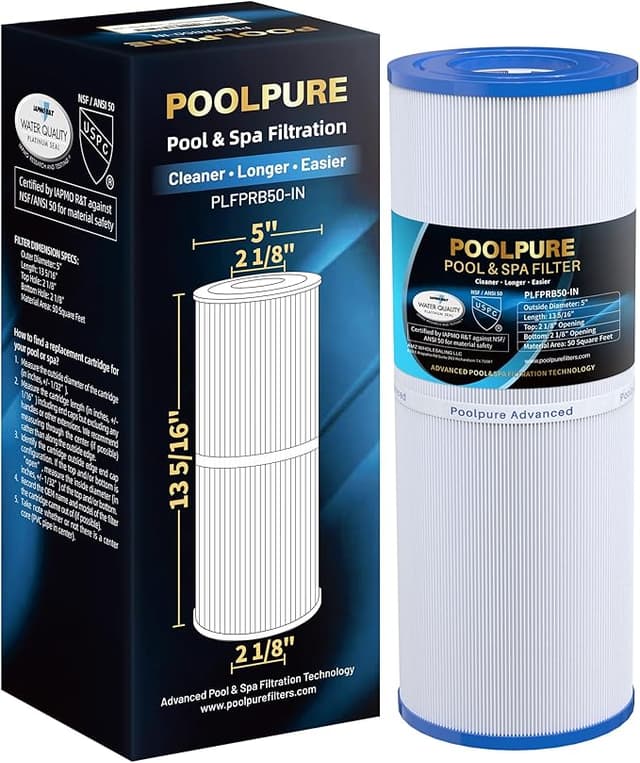
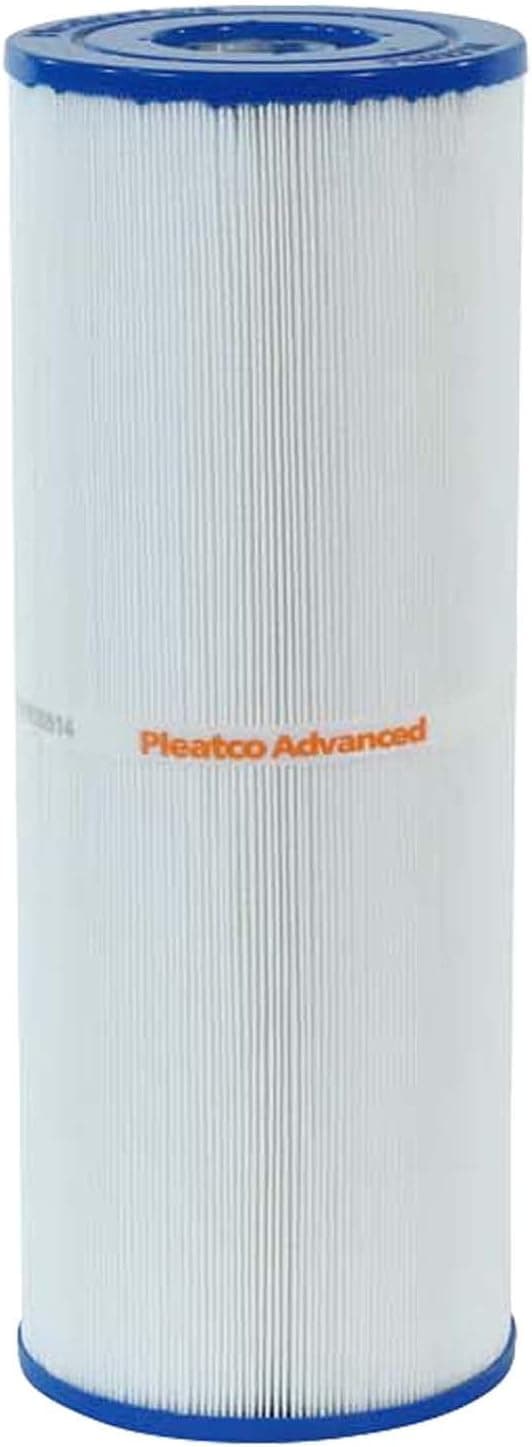
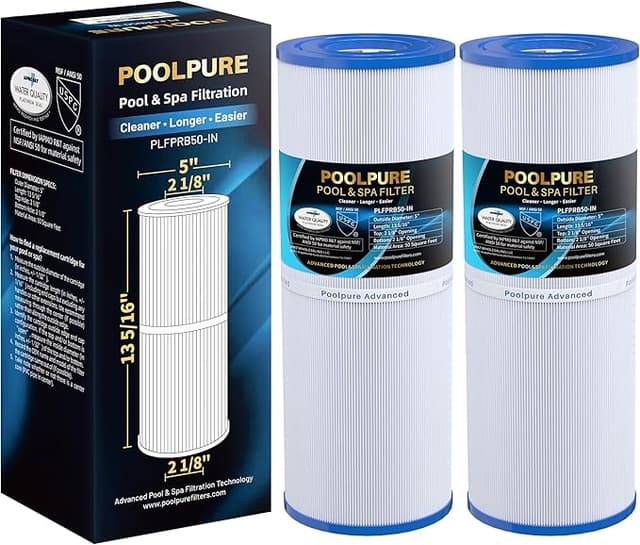
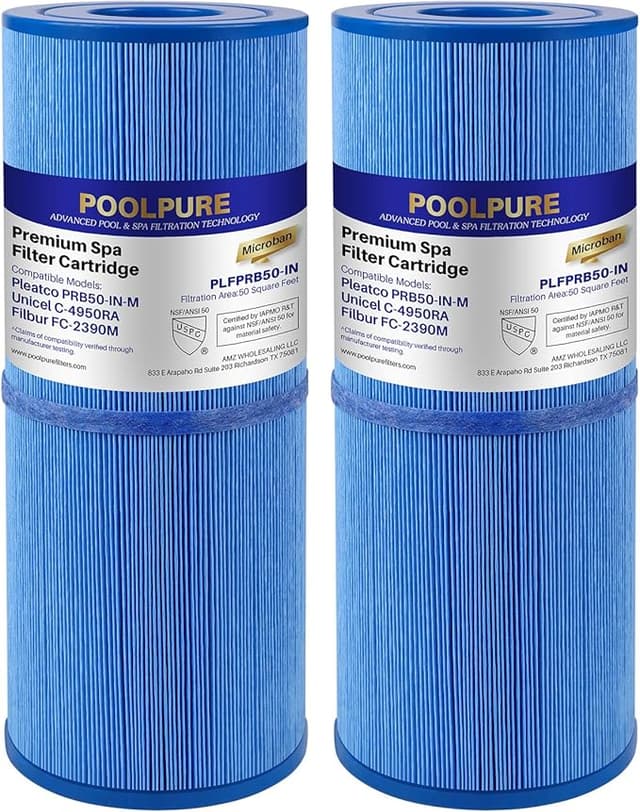
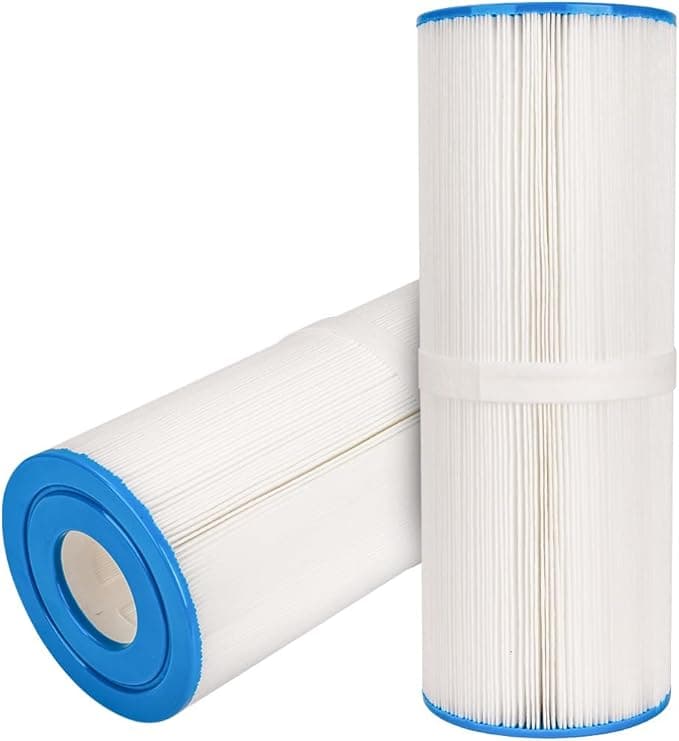
That cartridge was a PRB50-IN, the standard 50-square-foot pleated unit that fits a huge range of spas — the C-4950 and C-2390 housings included. I'd been running a no-name knockoff I grabbed off some marketplace listing for cheap, and it had basically given up around month three. So this time I bought the actual Pleatco PRB50-IN, and I've now got two full seasons on that decision. Here's the honest version of how it went.
The price math nobody tells you upfront
Here's where I started, because it's where everyone starts: staring at the spread. The OEM-branded cartridge for my housing wanted somewhere around $45. The Pleatco PRB50-IN — and Pleatco isn't some basement brand, they're the company that quietly makes a lot of the "OEM" cartridges to begin with — runs closer to $22. So we're talking a $23 gap on a single cartridge.
Now scale that. A spa cartridge like this you're realistically swapping out — or at least deep-cleaning and eventually retiring — once or twice a season depending on how hard you use it. Two a year, two units in some setups, and that $23 difference stops being pocket change. Over a few seasons it's the cost of a decent cover. I'm not going to pretend $23 changes your life. But I've never once felt the OEM badge was doing $23 of extra work in the water.
Does it actually seat right?
This is the part I was nervous about, because a pool or spa cartridge that's even slightly off on the end caps will let unfiltered water sneak past the gasket, and then you've paid for a filter that's basically decorative. Install itself is nothing — kill the power to the spa first (do this, genuinely, don't work on a live system), pull the old cartridge straight up out of the housing, and wipe down the inside of the canister before the new one goes in. That last step matters more than people think. Mine had a ring of gunk built up at the base that would've just re-fouled a fresh cartridge in a week.
The Pleatco dropped in clean. The bottom end cap registered onto the standpipe with a solid, definite seat — no wobble, no gap you could see daylight through. If I'm being picky, the top handle is a hair stiffer plastic than the unit that came with the spa, and the molded threads felt a touch sharper-edged the first time. But it seated true and held a seal, which is the whole ballgame. No bypass. Water clarity came back within about a day and a half of running.
Where it's genuinely as good — and where it's a half-step behind
Filtration-wise, I can't tell a difference in the water. Clarity's the same, the pump pressure sits right where it should, and the pleats hold their shape instead of collapsing into a floppy mess the way that earlier knockoff did. The pleat fabric on the Pleatco is noticeably more substantial when you run a thumb across it — denser, springier, holds its accordion fold. That's the thing that actually determines how much surface area you keep over time, and it's where the cheap units cut corners.
So where's it behind? Honestly, it's small stuff. The packaging is cheap — mine showed up in a thin plastic sleeve, no box, with one end cap slightly scuffed from shipping (didn't affect the seal). And there's a faint plastic-and-fresh-fabric smell out of the wrapper for the first couple of days of running; it's gone by day three and I've never noticed it in the water itself, but it's there if you stick your nose in the housing. If you're expecting a glossy retail-box experience, this isn't that. It's a filter in a bag.
The downside I want to be straight about
Here's the real one, and it's not about the cartridge — it's about you. A compatible cartridge this good will quietly lull you into thinking you can stretch the replacement interval, and you can't. The reason my water went swamp-green wasn't a bad filter, it was a full one. Any cartridge, OEM or Pleatco or otherwise, is a wear item. When the pleats pack up, water bypasses, flow drops, and now your pump is working against a wall — that's the part that gets expensive, because pumps and heaters cost real money and a starved pump runs hot. And a saturated cartridge isn't filtering bacteria out of warm water anymore, which in a 102-degree spa full of people is exactly the place you don't want to get sloppy.
So the discipline I landed on: rinse the pleats with a hose every couple of weeks, do a real chemical soak-clean once a month, and just plan to replace the cartridge outright when a soak stops bringing the flow back. At $22 a pop, replacing it on schedule is almost the cheaper anxiety to carry than babying an old one and gambling on the pump. That's the actual case for the compatible cartridge — it's cheap enough that you'll actually swap it when you should.
So who should skip it?
If your spa's still under a warranty that specifically demands the OEM-branded part, read your paperwork before you save the $23 — don't give them a reason to wriggle out of a heater claim. And if you genuinely can't tell whether your housing takes a PRB50-IN, measure the old cartridge (length, diameter, the end-cap style) before you order anything, because a near-miss on dimensions is the one way this goes wrong.
For everyone else with a C-4950 or C-2390 setup? I've run the Pleatco PRB50-IN through two seasons of weekend soaks, watched it hold its pleats and its seal, and the only cloudy water I've had since was my own fault for stretching an interval. It does the same job as the part costing twice as much. I'd buy it again — and the next one's already in my garage waiting.