Troubleshooting & Analysis
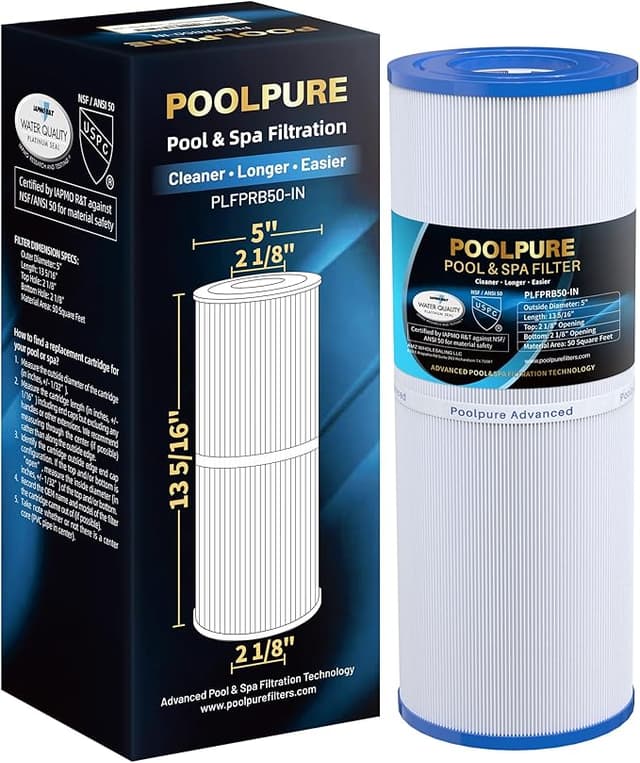
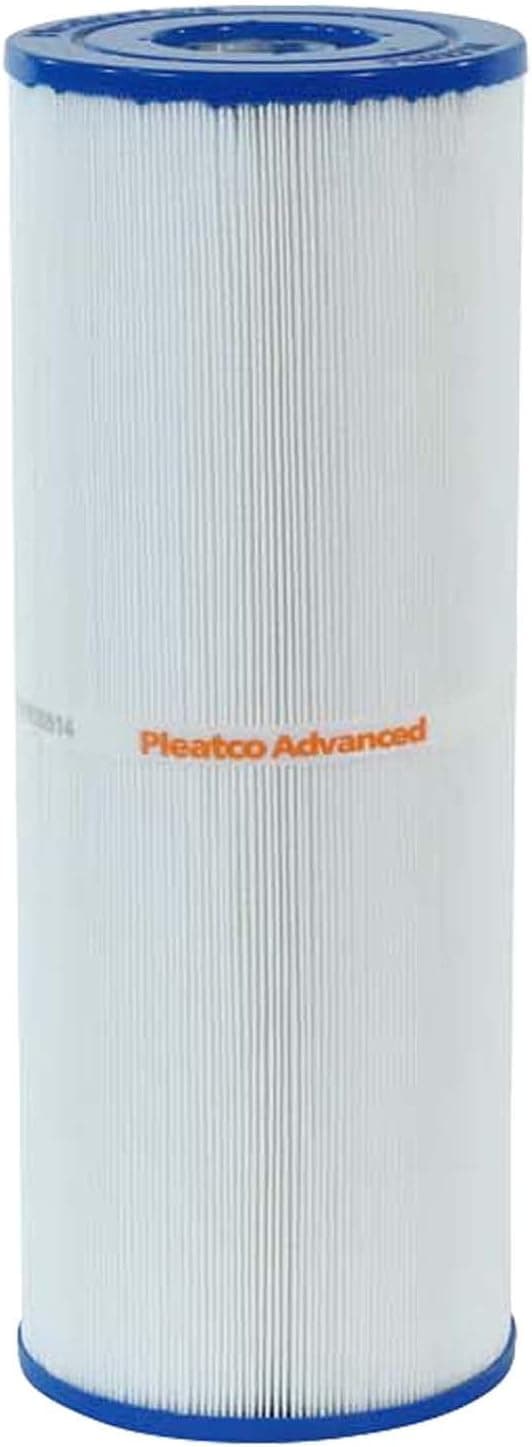
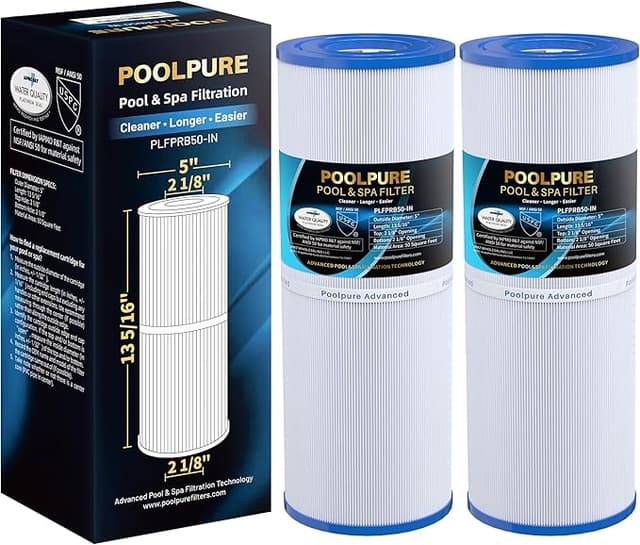
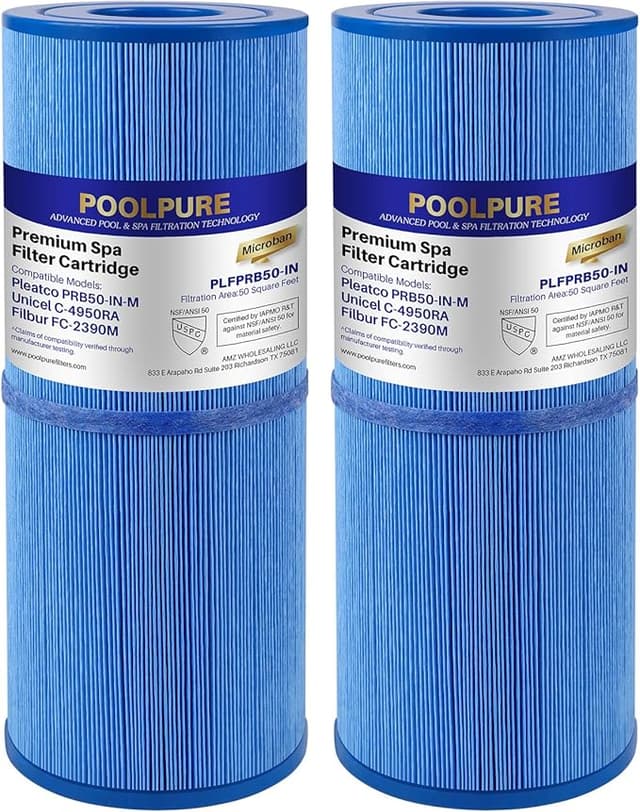
There I was, standing in the pool supply aisle with my phone open to two tabs. Tab one: the brand-name PRB50-IN cartridge, the one my spa came with, $48 and change. Tab two: the Pleatco C-4950, a compatible drop-in for the same PRB50-IN/C-4950/C-2390 housing, sitting at about $24. Same fold count on the label. Same dimensions printed on the side. Half the price. And I just stood there, thumb hovering, doing the thing everyone does — assuming the cheap one had to be cheap for a reason. A thinner core. Glue that lets go in August. Something.
I bought the Pleatco anyway, mostly out of spite for what I'd been paying. That was two seasons ago. So let me tell you what actually happened instead of guessing at it.
The price math nobody runs until they're annoyed
Here's the part that finally got me off the OEM treadmill. A spa cartridge like this one isn't a once-a-decade buy. I replace mine roughly once a season — call it once a year for a unit that runs hard through summer, more often if you're cooking the water at 102°F every weekend with a houseful of people. At the OEM price near $48, that's $48 a year, every year, forever. The C-4950 at around $24 cuts that in half. Twenty-four bucks a year doesn't sound like a war worth fighting until you stack five years of it: that's a $120 gap, on a part that — and I'll get to this — does the same job in the same hole.
And that's the honest framing. It's not that the OEM is a scam. It's that you're paying a brand tax on a pleated piece of polyester that gets dirty and gets thrown out. The water doesn't know which logo was on the box.
Does it actually fit? Yeah — with one fussy second
This is where compatible cartridges earn their bad reputation, so I paid attention. The install is dead simple and the steps are the steps: kill power to the spa and unplug it (do this, don't be a hero with live equipment near water), pull the old cartridge out of the housing, and — this is the part people skip — actually rinse the housing out before the new one goes in. Mine had a ring of fine grit and a little biofilm at the bottom I'd never have noticed if I hadn't looked. Wipe it. Then the C-4950 slides in and you reseat the clips or the threaded collar.
The fit? Good. Not millimeter-identical to OEM — and I want to be straight about that. The first time I seated it, the top end cap felt a hair less snug against the lip than the brand cartridge did, the kind of thing where you push it down and wait for a click that's a little softer than you expect. It seats. It seals. But if you're the type who needs that confident, vault-door thunk, you'll notice the difference for about three seconds before you stop caring. After a full season of pump cycling it hadn't shifted, channeled, or bypassed. It held its position fine.
How it ran — and where OEM is genuinely a touch ahead
Performance, week to week, I honestly couldn't tell apart from the original. Water clarity stayed where it should. Flow through the pump felt normal — no early pressure spike on the gauge telling me the media was too dense or clogging fast. The pleats are cut clean and there are enough of them; this isn't one of those sad knockoffs with half the surface area pretending to be a full cartridge.
Where I'll give OEM its due: the brand cartridge held its shape a little better deep into the season. By the tail end of my Pleatco's run, after a lot of chemical exposure and a dozen hose-downs, the pleats had relaxed slightly — fanned out a touch more than the crisp factory pleats do at the same age. Did it filter worse? Not that I could measure. But it's a real, visible difference if you're standing there comparing a tired one to a tired OEM one. The premium cartridge ages a hair more gracefully. That's what your extra $24 buys: a slightly slower fade, not a different outcome.
The downsides, for real
I'm not going to pretend this is flawless, because it isn't.
- The packaging is cheap. Thin plastic sleeve, a label that looked photocopied. It doesn't inspire confidence on arrival. Cosmetic — but worth saying, because that first impression is exactly what makes people doubt the cartridge before it's even wet.
- That end-cap fit is looser by a whisker. Covered it above. It works, but the tolerance isn't OEM-tight, and if your housing is older or a little warped, give the seating an extra check.
- Slightly faster pleat relaxation late in life. Again — toward the end of the cycle, not out of the box. If you stretch a cartridge way past its sensible life (don't), the compatible one will look more worn than a brand one pushed equally hard.
None of those is a dealbreaker for me. But you deserve to hear them before you buy, not after.
Why you can't just coast on a dead cartridge
Quick word on the thing that actually matters, because it's easy to get cheap in the wrong direction. A spa or pool cartridge that's past its life stops trapping debris and starts becoming a problem of its own — flow drops, the water turns cloudy, and a warm, stagnant, poorly-filtered tub is exactly the environment bacteria and algae love. That's not fear-mongering, it's just how warm water works. Choking flow also leans on your pump and circulation harder than it should, and pump repairs cost a whole lot more than a $24 cartridge. So the move isn't "buy the expensive one." The move is "actually replace it on schedule" — which, frankly, you're way more likely to do when the replacement costs $24 instead of $48.
The verdict
Here's who should stick with OEM: if you run a commercial spa, or you're the person who pushes a single cartridge two or three seasons past where you should, pay up for the slower-aging brand media — the marginal durability matters when you abuse it.
For everybody else — every home spa and pool owner replacing on a normal schedule — the Pleatco C-4950 is the one I grab. It fits the PRB50-IN/C-2390 housing, it filters like the original through the season that counts, and it does it for about half the money. The packaging's flimsy and the end cap's a hair loose. I bought it anyway, ran it two seasons, and I'm reaching for it again this year. For twenty-four bucks doing a forty-eight-dollar job, that's an easy call — and I've already made it twice.
I also saved a copy to `drafts/pleatco-c4950.html`. Want me to delete that draft file, or wire this into `long_content_html` for the product?