Troubleshooting & Analysis
The smell hits first, then the click
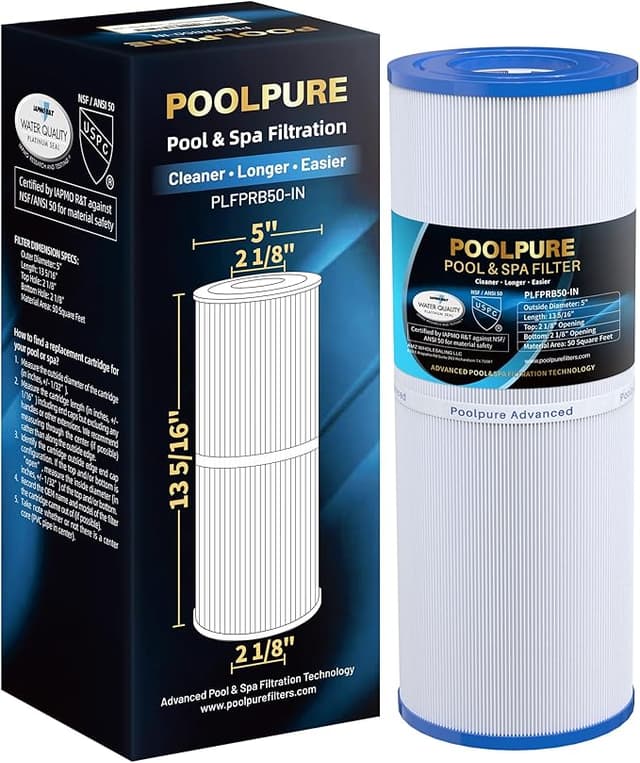
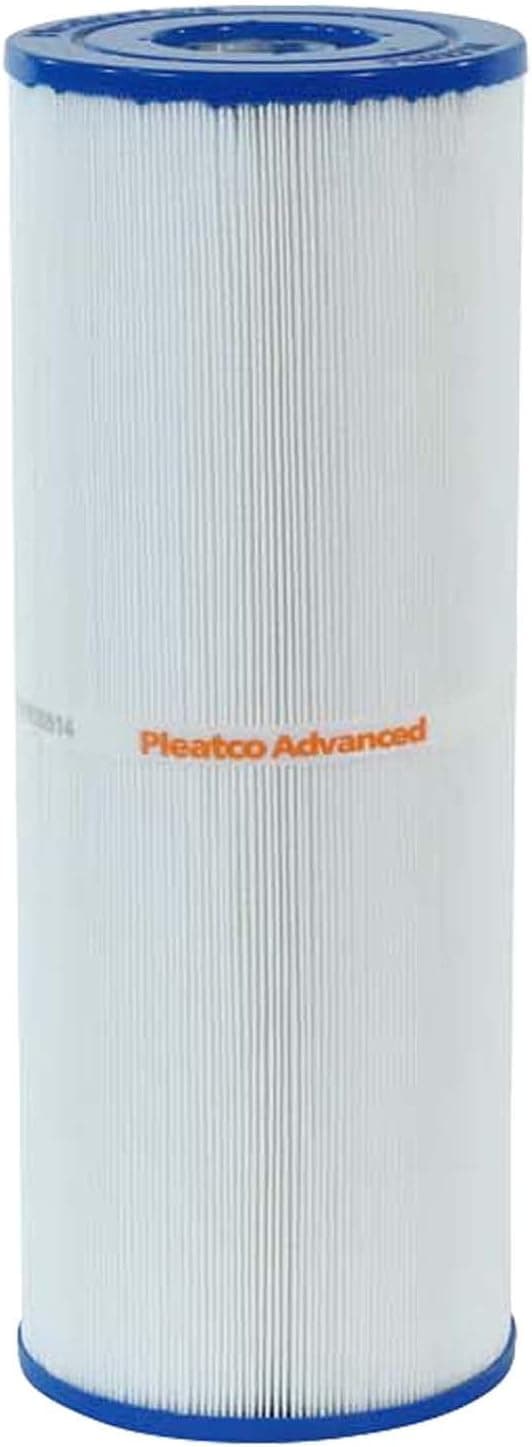
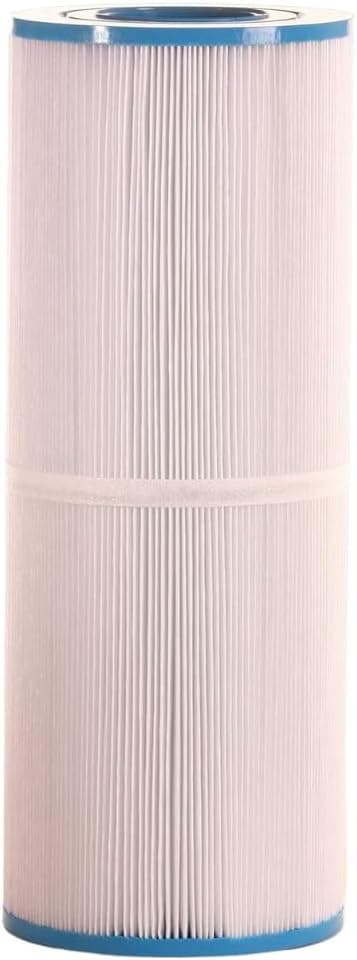
First thing I noticed pulling the new Pleatco PRB50-IN out of the bag was that faint plastic-and-cardboard smell — the kind every fresh filter has for a day or two. Not chemical, not alarming, just new. Then I dropped it into my spa's filter well and felt that little click-seat where the bottom cup catches the standpipe. That's the moment I actually care about. If a compatible cartridge is going to fail, it usually fails right there: too wide, too narrow, threads that don't bite. This one seated like it belonged. A hair of resistance on the last quarter-inch, and then it sat flush, no wiggle, no gap around the top ring.
I'll be honest — I didn't trust it at first. I'd been buying the name-brand cartridge for my hot tub for two years and the idea of swapping to a cheaper one made me nervous. A spa filter isn't a vacuum bag. If it doesn't seat right, you get bypass, and bypass means dirty water slipping past the pleats and straight back into the tub you're sitting in. So I went in skeptical. Four months and a full summer of near-daily soaks later, here's the actual report.
The price gap is the whole reason you're here
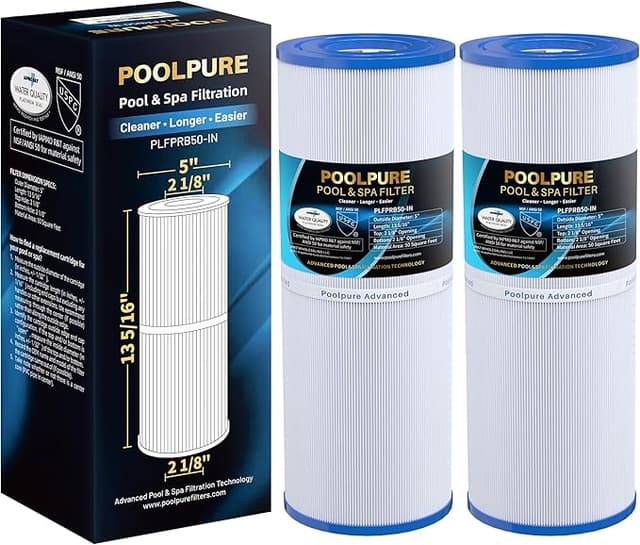
Let's deal with money, because that's why anybody reads one of these. The branded route for a PRB50-IN-style cartridge runs me around $38 to $45 depending on where I shop and whether I get gouged on shipping. This Pleatco compatible came in at about $22. Call it a $20 gap per cartridge. Doesn't sound like a fortune until you run the year out: I rotate two filters and replace them roughly every 12 to 15 months with the soak schedule I keep. That's $40-something a year saved if I switch both wells, and that's before you count the spare I keep on hand so I can rotate one out, hose it down, and let it fully dry between uses. Filters last noticeably longer when you alternate two and never run a damp one. At branded prices I used to skip the spare. At $22 I just buy three and stop thinking about it.
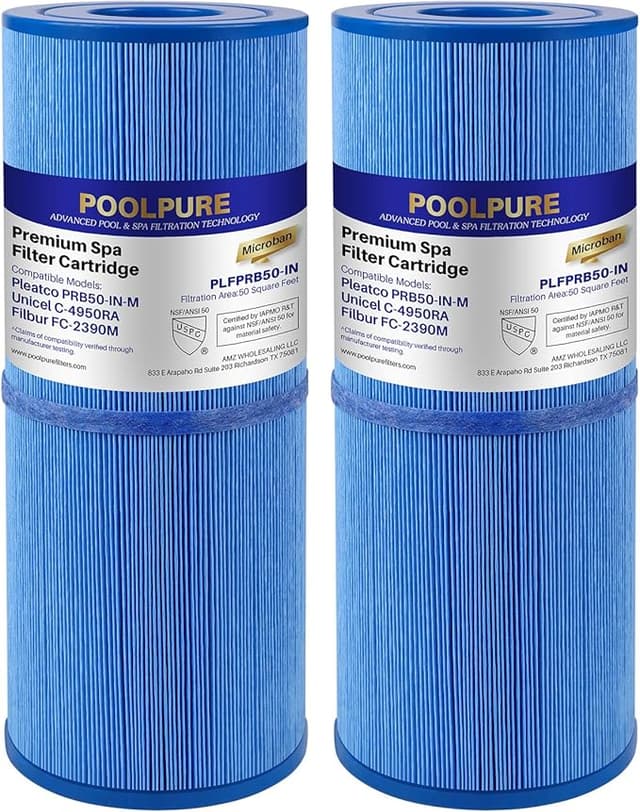
The PRB50-IN is rated at 50 square feet of media, and the C-4950 cross-reference is the number you punch in to confirm fit. That part matters — don't buy on the picture, buy on the part number. The C-4950 designation is what tells you the diameter, the height, and the end-cap style line up with your housing.
Fit and install: less fiddling than I expected
The swap is genuinely a five-minute job, and you don't need to be handy. Kill the power to the spa first — non-negotiable, you do not want the pump kicking on while your hand is in the well. Lift the old cartridge out slow so the gunk trapped in the pleats doesn't slosh back into the basin. Then, and people skip this, actually wipe down the housing. There's always a film of biofilm and fine grit sitting in the bottom cup, and dropping a clean filter onto a dirty seat just re-seeds the new one on day one. Thirty seconds with a rag. Then the new C-4950 goes in, click, lid back on, power on.
Where the compatible shows its price: the end caps. The plastic on the top and bottom rings is a touch thinner and a shade glossier than the branded part. Side by side you can tell which one cost less. Did it affect the seal? No. Four months in, no bypass, no rattle, the cup held its shape. But I'm not going to pretend the molding is identical, because it isn't, and the first thing your fingers tell you when you handle both is that one feels a little more substantial.
How it actually performs in the water
This is the part that surprised me. Filtration was a wash — I mean that as a compliment. Water clarity over the summer was every bit as good as the branded cartridge. I run a test strip a couple times a week, and the filter's job is to pull the body oils, sunscreen, dead skin, and fine debris before they feed the cloudiness. The Pleatco kept the water polished. No haze, no film line at the waterline, nothing my eyes could fault.
The pleats held their spacing too, which is the real test over time. Cheap filters collapse — the pleats mat together, the media loses surface area, and your flow drops. This one stayed open and crisp through repeated cleanings. I chemical-soaked it once at the two-month mark and rinsed it weekly otherwise, and the pleats sprang back every time.
The real downside, said plainly
Here's where I earn your trust. Two honest knocks.
One: that plastic smell I mentioned takes a solid two or three days of running to fully clear. The first night after install I caught a whiff of new-plastic off-gas when the jets churned. It's gone by day three and it never affected the water chemistry, but if you're sensitive to that, run the spa a cycle or two with the cover off before your first real soak.
Two: the packaging is cheap and so is the printed banding around the cartridge. The band on mine was slightly crooked and the box arrived a little crushed. Cosmetic, totally — the filter inside was perfect — but it's the kind of thing that makes you second-guess at the doorstep. If you need the unboxing to feel premium, this'll bug you. If you only care what it does in the water, you'll forget about it by the time the lid's back on.
And the safety angle, because it's not just about clear water. A saturated, neglected spa filter is where things actually go wrong — once the media clogs, flow drops, the water stops turning over, and you give bacteria and algae a quiet place to set up. That's not fear-mongering, that's just what a dead filter does. The cheap fix here is the thing that prevents the expensive problem: a $22 cartridge swapped on schedule is what keeps you off the hook for a pump strain or a tub you have to drain and shock.
Who should skip it — and why I keep buying it
If you've got a warranty clause that specifically demands the OEM part, or you're the kind of owner who wants every component to feel showroom-perfect in the hand, buy the branded one and don't lose sleep. That's a real preference and I won't talk you out of it.
But for me? Same 50 square feet of media, same clean water all summer, same easy click into the well — for around twenty bucks less per cartridge and longer filter life because I can finally afford to rotate spares. I ran it four months hard and I'd buy it again. I already did, actually. There are three more sitting in my garage.