Troubleshooting & Analysis
So I did the math that night
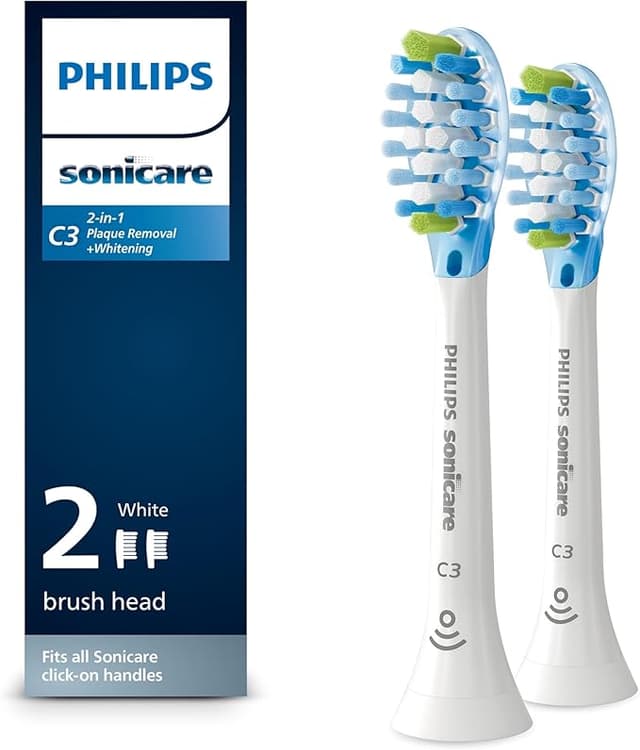
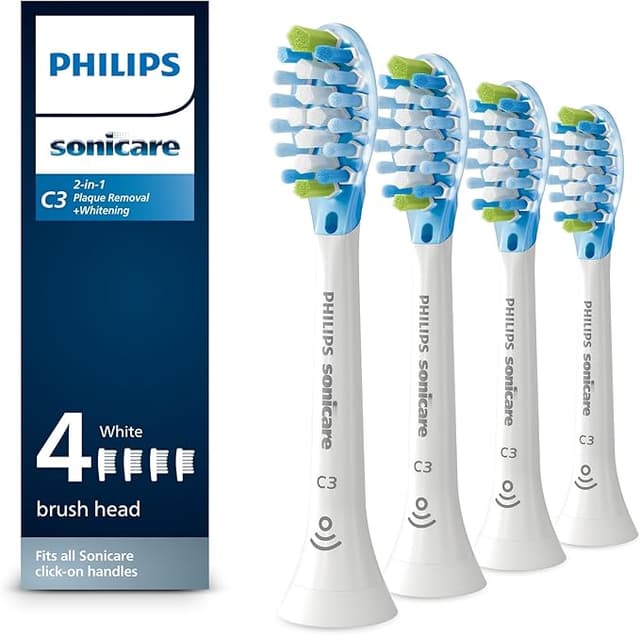
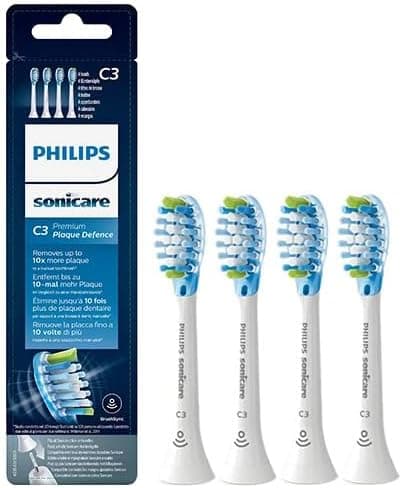
Here's what set me off. I went to reorder the genuine Philips heads and the going rate was about $10 a head — a 4-pack runs right around $40. For a thing you're supposed to swap every three months, that's $40 a year minimum, and that's if you're disciplined about it. Which, clearly, I am not, because I'd stretched one head to twice its life specifically to avoid paying.
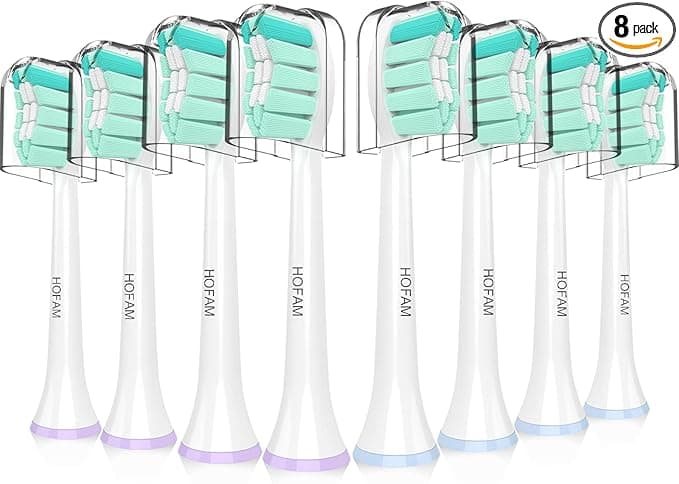
That's a dumb cycle. Overpaying makes me ration, rationing wrecks my gums, and then I'm the guy with $10 heads and a dentist warning. So I bought a compatible 8-pack instead — same Dupont bristles the listing advertised — for about $20. Two years of brush heads for the price of two original ones. Let me say that again because it's the number that flipped me: an 8-pack of the compatibles cost less than buying two singles of the real thing.
Do they actually fit the W3?
This was my real worry, more than performance. A brush head that's loose wobbles on the shaft and you lose half the sonic action. So I paid attention on the first swap. You pull the old head straight off — it just slides off the metal shaft, no twisting — give the shaft a quick rinse under warm water to clear any old gunk, and push the new one on until it clicks. On the W3 you feel a small positive seat, a little snap, and then it doesn't rock side to side.
The compatibles clicked on the same way. Honest nitpick: the fit is a hair less tight than the genuine head. The OEM one seats with this dead-solid, vault-door feeling. The compatible seats firm but there's a whisper of play if I really yank on it — not during brushing, only if I'm deliberately wiggling it. In four months of daily use it has never come loose, never spun, never popped off mid-brush. So the looseness is real but it lives in the "I notice it because I'm a skeptic" category, not the "this is a problem" category.
How it actually cleans
This is where I expected to get burned and didn't. The bristle feel against my teeth is genuinely close to the original — the listing wasn't lying about the Dupont bristles. That squeaky-clean tongue test after brushing, the one where you run your tongue across the front of your teeth and they feel polished? I get that with these. My next dental cleaning came back clean, the gum inflammation note was gone, and the hygienist didn't say a word about my brush, which is the highest compliment a brush head can get.
Where it's a touch behind: bristle longevity. The genuine Philips heads, with their little blue indicator bristles that fade as a wear cue, seem to hold their shape maybe a few weeks longer before the splay sets in. The compatibles do their job for the full three months, but by month three they look more tired than an OEM head does at the same age. The fix is just… replacing them on schedule, which is the whole point and is now painless because I have eight of them sitting in a drawer.
The downsides, said plainly
I'm not going to pretend these are flawless, because that's how you can tell a review is fake.
- The break-in days. First two or three uses, there was a faint plastic taste — not chemical-burn bad, just a "this is new and was sealed in a bag" neutral plastic note. It rinsed out completely by day three. A quick run under hot water before the first brush cuts it down a lot.
- Cheap packaging. The genuine ones come in that crisp Philips box with each head individually sealed. These showed up in a plain plastic tray with a thin film over them. It works, the heads were clean and protected, but it feels less premium. If you're gifting them, the presentation is nothing.
- The slight fit looseness I mentioned. Worth repeating because it's the one thing that could matter to you if your shaft is already a little worn from years of use.
- Bristle wear shows a bit sooner near the end of the cycle. Not a safety issue if you're replacing on time — but if you're a head-stretcher like the old me, know that these punish neglect a little faster.
Why a worn head is more than a comfort thing
The reason I won't stretch a head anymore: splayed, frayed bristles don't reach the gumline, so plaque sits there and hardens, and your gums get inflamed exactly the way mine did. Old heads are also a damp little bacteria hotel — the base traps moisture and grime over months. A fresh head every three months isn't Philips upselling you; it's the actual job of the tool. The trap is that OEM prices make people ration, and rationing is what does the damage. Cheaper heads, swapped on time, beat expensive heads you're scared to throw away.
Who should skip these
If your W3's shaft is already worn loose from years of brushing, or you're the type who will be genuinely bothered by a millimeter of head play, buy the genuine Philips heads — that vault-tight seat is worth the premium to you. Same if you want the fade-indicator bristles to do your remembering for you.
For everyone else — and that's most of us — the choice isn't really close. Same Dupont bristles, the same clean feel, a click that holds, gum inflammation gone, dentist happy. The only real cost is a couple of plasticky break-in days and packaging you'll throw away anyway. At roughly $20 for eight heads versus $40 for four, I get two full years of fresh brush heads for the price of half a year of the originals — and because they're cheap, I actually replace them on time now. That's the part that fixed my gums. I'd buy them again. I already did — there are six more in the drawer.